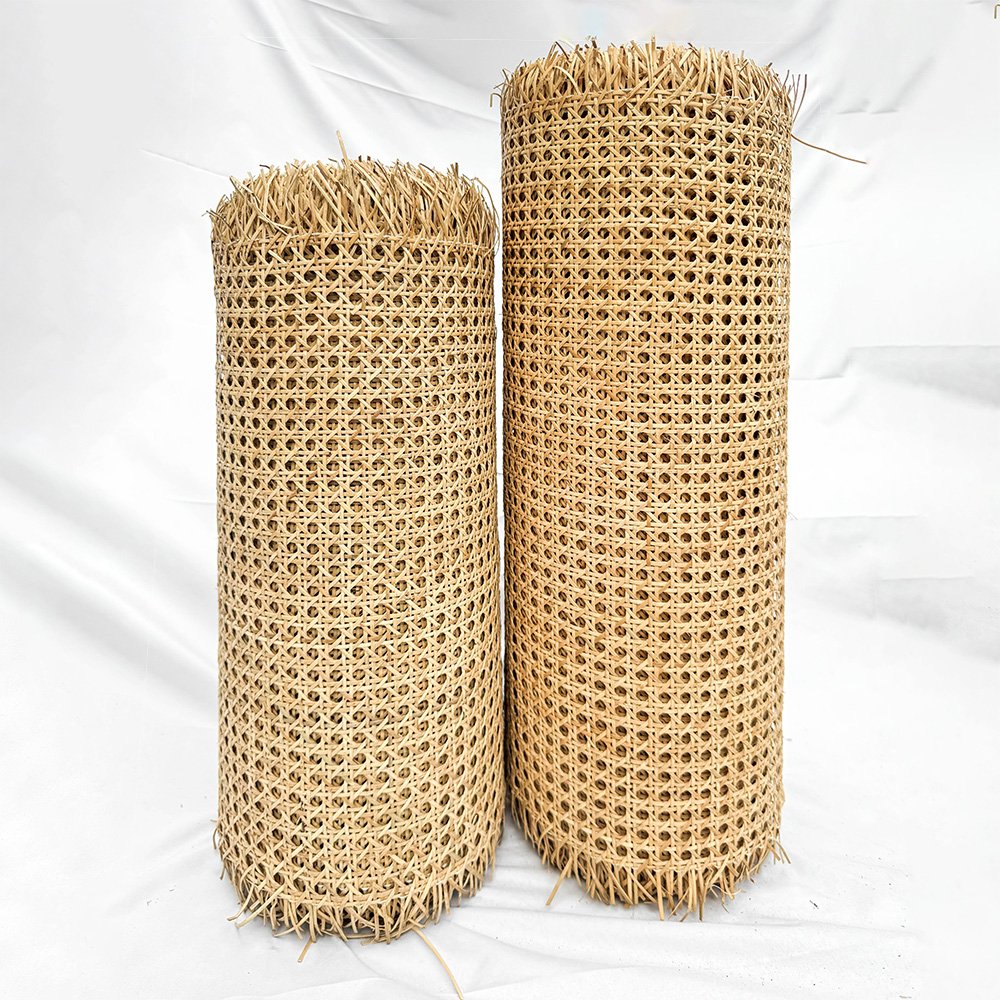
When it comes to adding a touch of warmth and texture to your home or outdoor space, choosing between natural rattan and plastic rattan can feel like a tough decision. Both materials have their own unique charm and practicality, but understanding their key differences is the key to picking the perfect option for your needs. Natural rattan, harvested from the stems of rattan palms, brings an authentic, organic vibe that’s hard to replicate, while plastic rattan, a synthetic alternative made from polyethylene or PVC, offers durability and low maintenance that appeals to busy lifestyles. Let’s break down what makes each material stand out, so you can make a choice that aligns with your style, budget, and usage.
Natural Rattan’s Warmth, Plastic Rattan’s Sleekness
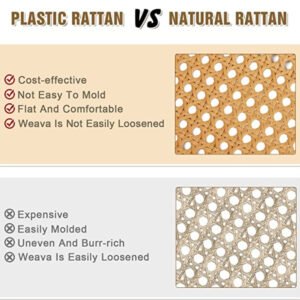
The first thing most people notice about natural rattan and plastic rattan is their appearance and texture, and the contrast between the two is striking. Natural rattan boasts a warm, earthy tone with subtle variations in color and grain, each piece carrying unique marks that tell the story of its natural origin. Its surface has a slight roughness that feels tactile and inviting, adding a cozy, rustic charm to any room—whether it’s a living room chair or a bedroom basket. Plastic rattan, on the other hand, is designed to mimic the look of natural rattan but with a more uniform appearance; it comes in a wide range of colors (from classic brown to bold hues) and has a smooth, consistent texture. While it can look convincing at a glance, plastic rattan lacks the organic character of its natural counterpart, making it better suited for modern or minimalist spaces where a sleek, polished look is preferred.
Natural Rattan’s Care, Plastic Rattan’s Ease
Durability and maintenance are crucial factors to consider, especially if you plan to use your rattan pieces outdoors or in high-traffic areas. Natural rattan is a relatively fragile material that requires careful care: it’s susceptible to moisture, so it can warp, crack, or mildew if exposed to rain, humidity, or direct sunlight for long periods. To keep natural rattan in good condition, you’ll need to dust it regularly, avoid placing it near water or heat sources, and occasionally treat it with oil to maintain its flexibility. Plastic rattan, by contrast, is built for durability; it’s water-resistant, UV-resistant, and resistant to mold and mildew, making it ideal for outdoor use—think patio furniture or garden storage baskets. It’s also incredibly low-maintenance: a simple wipe with a damp cloth is all it takes to keep plastic rattan clean, and it won’t warp or fade even with prolonged exposure to the elements.
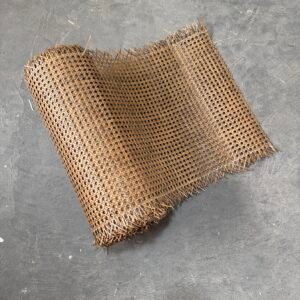
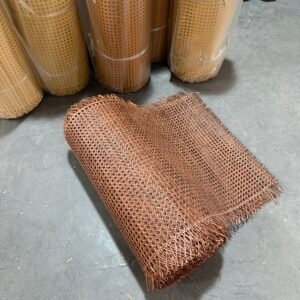
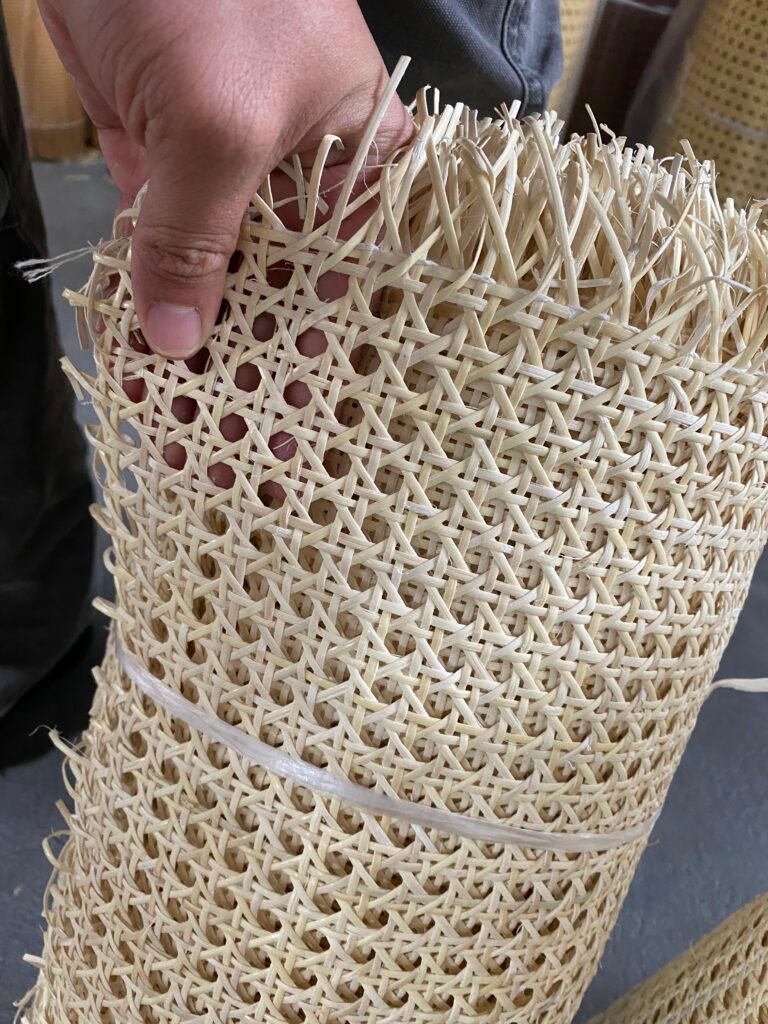
Natural Rattan Sheet Hexagonal Hole White Color
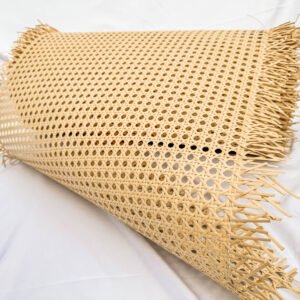
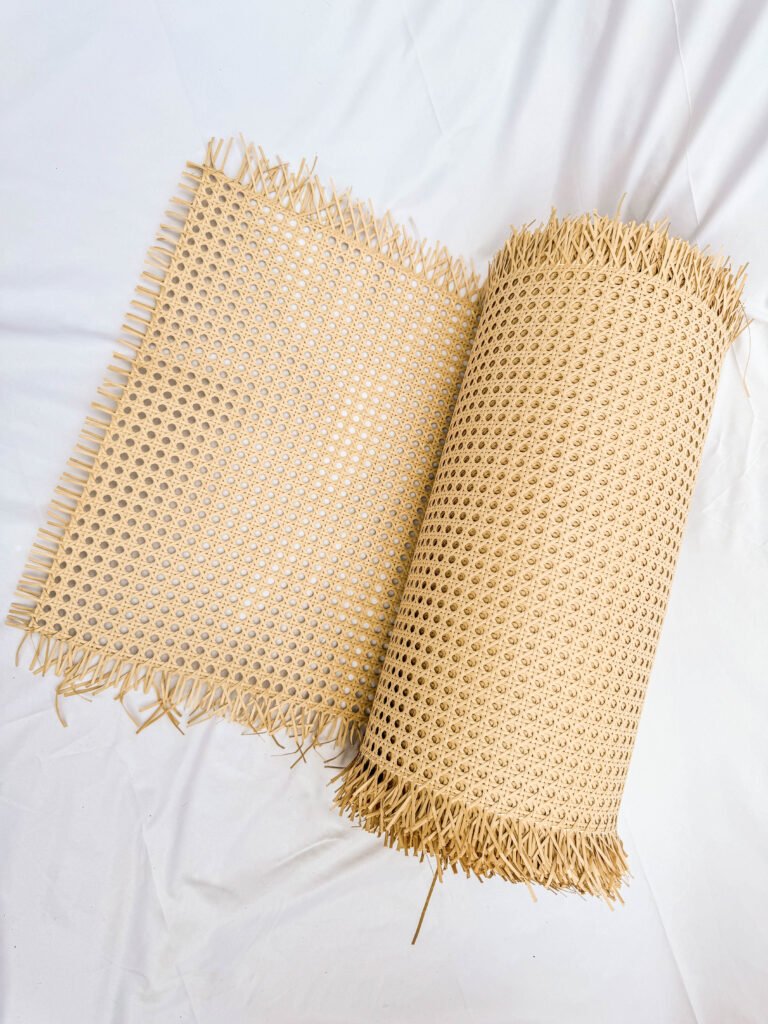
High-Temperature Resistant PE rattan Webbing yellow color
The Dual Paths of Rattan: Natural Craftsmanship vs. Synthetic Innovation
Environmental Impact: Natural Rattan’s Renewal, Plastic Rattan’s Footprint
Environmental impact is another important consideration for eco-conscious shoppers, and here natural rattan and plastic rattan differ significantly. Natural rattan is a renewable resource—rattan palms grow quickly (much faster than trees) and can be harvested sustainably without damaging the ecosystem, as the plants regrow after cutting. When it reaches the end of its lifespan, natural rattan is biodegradable, breaking down naturally without leaving harmful residues. Plastic rattan, however, is made from non-renewable petroleum products, and while it’s often recyclable (depending on the type of plastic), it can take hundreds of years to decompose if not disposed of properly. If sustainability is a top priority, natural rattan is the clear winner, though some plastic rattan brands now offer recycled materials to reduce their environmental footprint.
Budget & Versatility: Natural Rattan’s Craft, Plastic Rattan’s Value
Finally, budget and versatility play a role in the decision between natural rattan and plastic rattan. Natural rattan tends to be more expensive, as it’s a natural material that requires manual harvesting and craftsmanship. Its fragility also means it may need to be replaced sooner if not cared for properly. Plastic rattan is more affordable, making it a budget-friendly option for those who want the look of rattan without the higher cost. It’s also more versatile in terms of design—plastic rattan can be shaped into more complex forms, from curved chairs to intricate baskets, while natural rattan is limited by its organic structure. Ultimately, the choice comes down to your priorities: if you value authenticity, sustainability, and a warm, rustic aesthetic, natural rattan is perfect. If you need durability, low maintenance, and affordability—especially for outdoor use—plastic rattan is the way to go. Either way, both materials can elevate your space with their timeless appeal.
Final Verdict
There’s no universal “better” rattan—only the right fit for your needs. Choose natural rattan if you crave organic warmth, indoor coziness, and eco-friendliness. Opt for plastic rattan if you need durable, low-maintenance pieces for outdoor use, or affordable, versatile styling on a budget. Both materials elevate spaces, so align your choice with your priorities to enjoy rattan’s timeless appeal fully.