As we move through 2026, the global furniture industry is experiencing a profound “textural renaissance.” Modern consumers are no longer satisfied with flat, sterile surfaces; they crave the depth and warmth provided by woven materials. This has sparked a renewed debate among designers and manufacturers: how do we balance the heritage of natural rattan with the industrial prowess of plastic rattan? In an era defined by fluctuating trade policies and a heightened focus on environmental ESG (Environmental, Social, and Governance) goals, the choice between these two materials is no longer just about looks—it is a strategic decision that reflects a brand’s values and its vision for the future.
Cost and Versatility: Balancing Budget and Design Flexibility
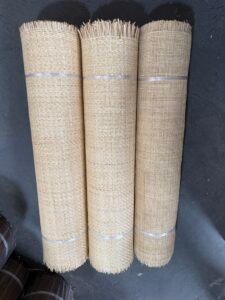
Natural rattan typically comes with a higher price tag, reflecting its natural rarity, the craftsmanship involved in its harvesting and weaving, and its more delicate nature. However, its timeless aesthetic and unique charm make it a worthwhile investment for those seeking a high-end, authentic look. Plastic rattan, by contrast, is highly affordable, thanks to its mass-produced nature and lower material costs. It also offers greater design flexibility, as it can be molded into a wide range of shapes and styles, from sleek modern furniture to intricate decorative pieces. This makes plastic rattan a versatile option for those on a budget or looking to update their decor frequently.
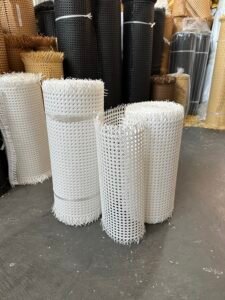
.Natural Rattan Sheet Hexagonal Hole White Color
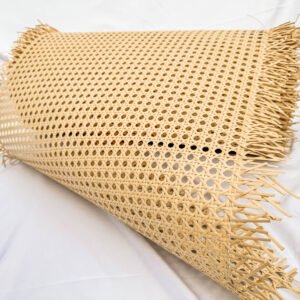
Eco friendly plastic rattan webbing wood color
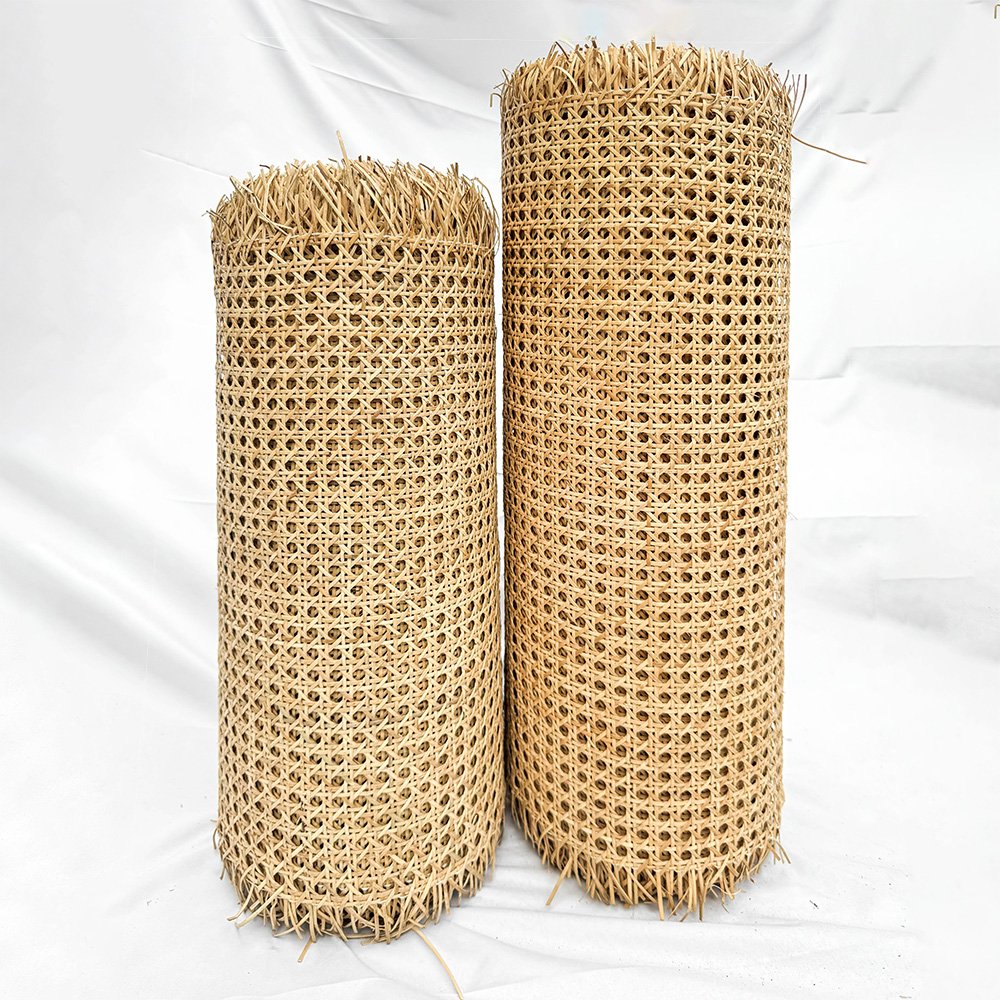
Artificial Plastic Rattan Square Woven 5*5mm Coffee Color
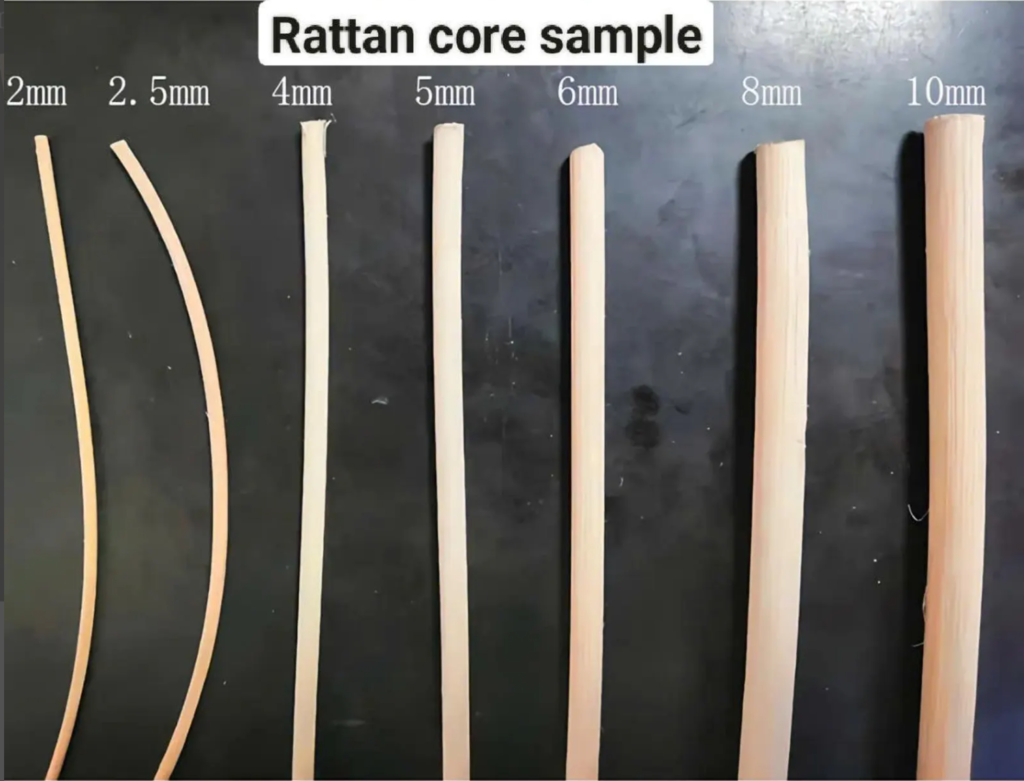
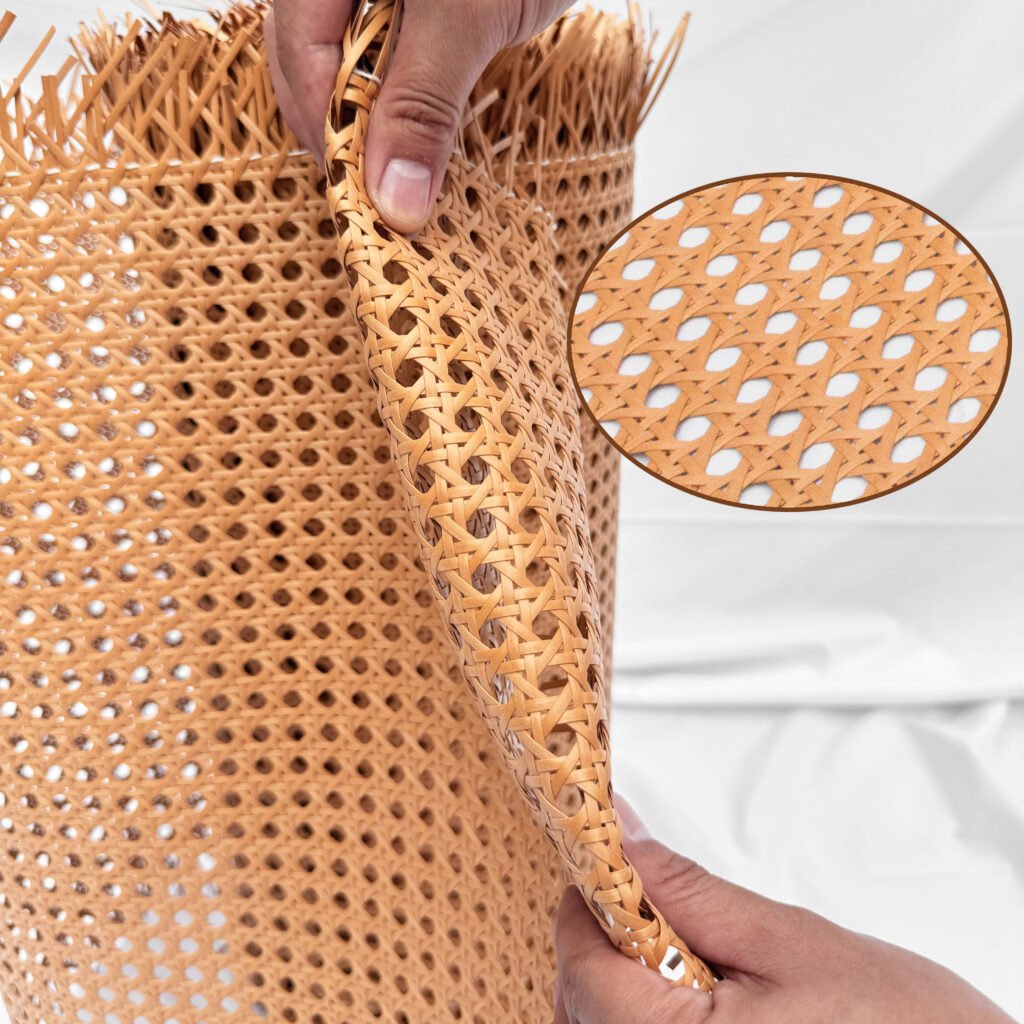
The Indoor Soul of Natural Rattan vs. All-Weather Plastic Rattan
Where you place your furniture is often the ultimate deciding factor in this material debate. Natural rattan is a “breathable” fiber that expands and contracts with humidity, making it the gold standard for indoor sanctuaries like master bedrooms or libraries where a sense of tranquility is paramount. However, for the booming “outdoor living” sector, plastic rattan is the undisputed champion due to its total resistance to UV radiation, rain, and the extreme temperature fluctuations that would cause organic vines to rot or crack. Essentially, natural rattan provides the emotional heart for your interior spaces, while plastic rattan ensures that your garden or balcony remains aesthetically consistent year-round without the need for constant maintenance.
From a craftsmanship and durability perspective, the narrative diverges further. Furniture made from natural rattan often involves skilled weaving techniques, resulting in a lightweight yet surprisingly resilient structure that has been trusted for centuries. However, it requires protection from prolonged moisture and direct sunlight to prevent drying or cracking. On the other hand, plastic rattan is engineered for all-weather endurance, making it a champion for patios, poolside areas, and balconies. It resists fading, moisture, and mildew with minimal upkeep, though it can become uncomfortably hot in direct sun and may lack the structural “give” of organic fiber.
Global Supply Chains and Economic Resilience
The international trade landscape of 2026 is characterized by “friend-shoring” and supply chain diversification. Natural rattan remains largely dependent on specific tropical climates and local harvesting regulations in countries like Indonesia and Vietnam, making it susceptible to shipping delays and regional price volatility. On the other hand, plastic rattan can be produced in advanced manufacturing hubs globally, significantly reducing the “miles-per-product” and insulating companies from the geopolitical risks associated with raw material exports. While the scarcity of high-quality vines can limit the scalability of natural rattan projects, the industrial nature of plastic rattan ensures that global retailers can fulfill massive orders with predictable lead times and stable pricing.
Technological Convergence and Future Outlook
Looking toward the end of the decade, technology is blurring the lines between these two categories in surprising ways. We are seeing the rise of nano-coatings that protect natural rattan from moisture, effectively giving it the “superpowers” of synthetic materials without losing its organic feel. Simultaneously, advanced 3D extrusion techniques have allowed plastic rattan to mimic the variegated tones and “hairy” textures of real vines so accurately that it can fool the naked eye. As innovation continues to merge the artisanal charm of natural rattan with the structural resilience of plastic rattan, the industry is moving toward a future where the two materials are used in tandem to create furniture that is both emotionally resonant and physically indestructible.
Considering comfort and maintenance, the user’s lifestyle becomes paramount. Natural rattan offers a slight natural flexibility and breathability, which can enhance comfort, but it demands more care—regular dusting and occasional conditioning—to maintain its luster. It thrives in controlled indoor environments. Conversely, plastic rattan wins in the low-maintenance category, requiring only an occasional hose-down or wipe with soapy water to look new. This makes it an ideal, hassle-free solution for families with children or for commercial outdoor settings.
Conclusion: The Verdict for 2026
Ultimately, the question of which material is “better” is the wrong one to ask. The true advantage lies in understanding that natural rattan and plastic rattan serve different, yet equally vital, functions in the modern global economy. Natural rattan is a luxury of the spirit, connecting us to heritage and the environment, while plastic rattan is a luxury of convenience, offering freedom from maintenance and the durability required for an active lifestyle. By integrating both into a comprehensive design strategy, creators can satisfy the dual human desire for authentic tradition and modern performance, ensuring that the art of the weave remains relevant for generations to come.