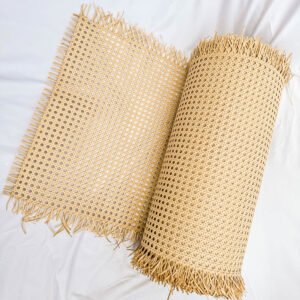
Modern homeowners constantly seek the perfect balance between organic warmth and everyday durability. As biophilic design dominates contemporary interiors, decorators everywhere face a definitive choice when furnishing their living spaces. You must aggressively weigh the biological heritage of natural rattan against the engineered resilience of plastic rattan. Making an informed decision requires looking past glossy marketing catalogs to evaluate real-world performance metrics. This comprehensive guide breaks down exactly how to align these distinct materials with your specific lifestyle, ensuring your home looks beautiful and functions flawlessly for years to come.
Natural Rattan vs Plastic Rattan in Design
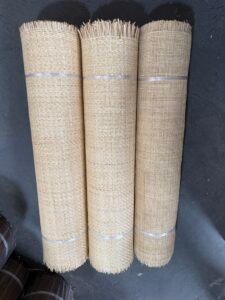
Visual appeal and tactile feedback often drive our initial furniture purchases, setting the foundational mood of any room. Skilled artisans meticulously hand-weave natural rattan from robust tropical climbing palms, creating bespoke pieces that feature unique color gradients, porous textures, and an undeniable earthy warmth. Machines simply cannot replicate this complex biological fingerprint. Conversely, chemical manufacturers design plastic rattan to deliver absolute visual consistency and a flawlessly smooth, uniform finish. The botanical vine gives your interior an unrepeatable, bohemian character, while the synthetic alternative brilliantly satisfies minimalist decorators who demand perfectly matching, snag-free surfaces for high-traffic environments.
Natural Rattan vs Plastic Rattan Performance
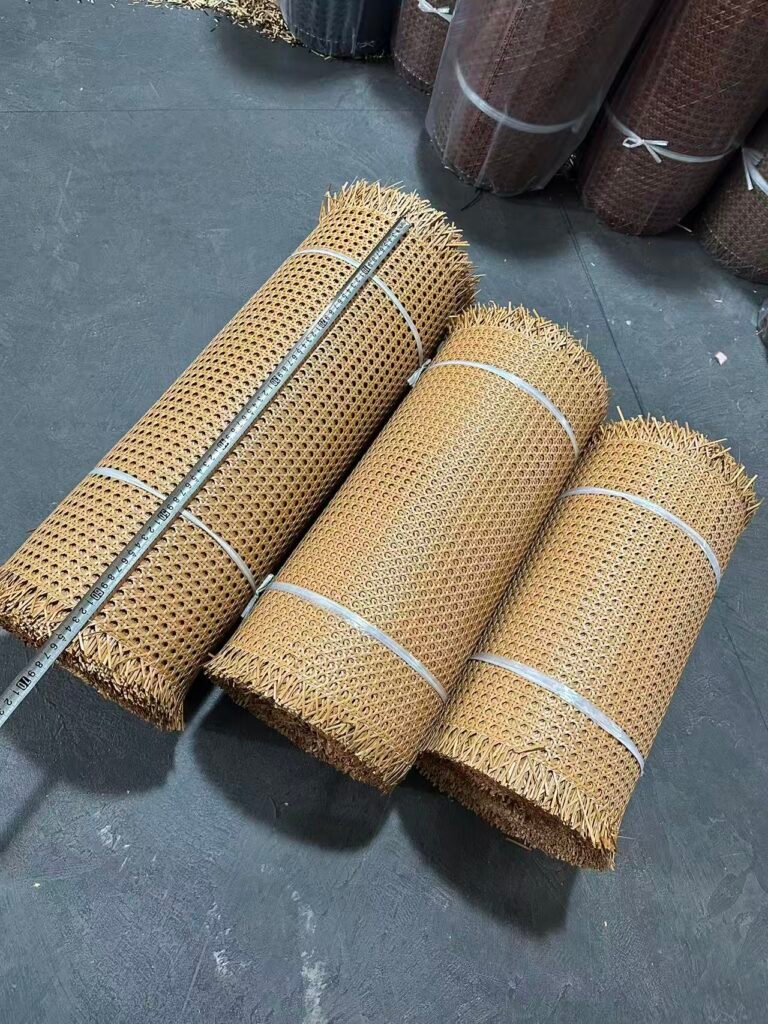
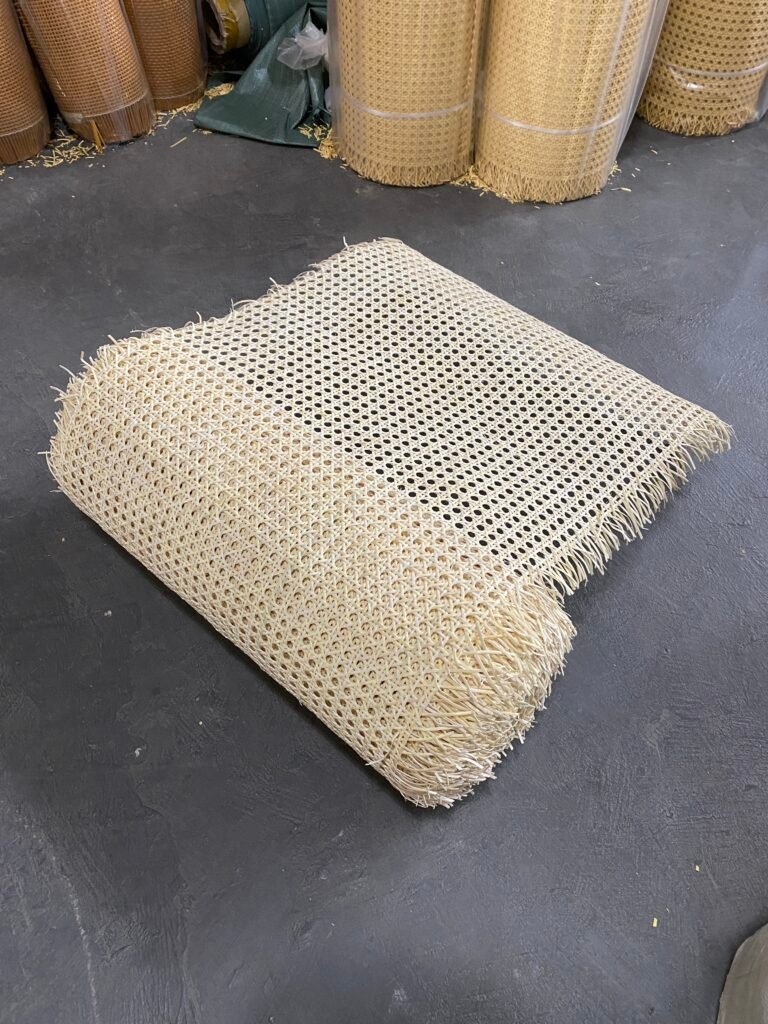
Your geographic location and architectural layout dictate material performance far more than passing aesthetic trends or interior design magazines. Because shifting ambient humidity and severe temperature changes cause organic fibers to expand, splinter, and eventually grow mold, you must confine natural rattan strictly to climate-controlled indoor spaces or deeply covered, dry porches. In stark contrast, polymer scientists specifically formulate plastic rattan to relentlessly repel brutal ultraviolet rays, freezing winter chills, and torrential summer downpours. Consequently, your sun-drenched poolside clearly demands the indestructible synthetic weave, while your cozy, enclosed master bedroom provides a safe haven for the delicate botanical option.
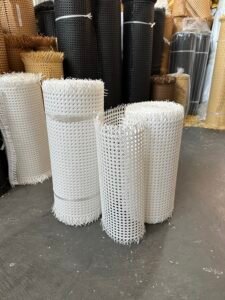
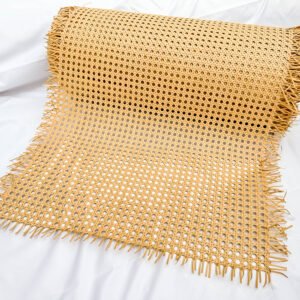
Natural Rattan Sheet Hexagonal Hole White Color
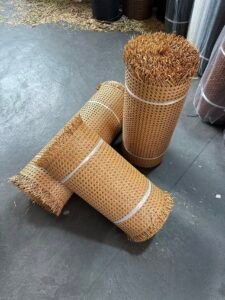
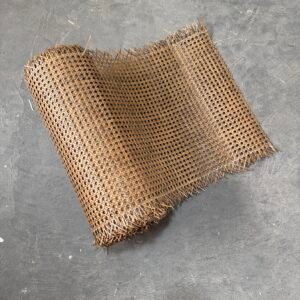
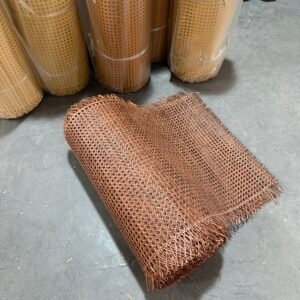
Plastic Rattan Webbing Red-Brown Color
https://www.furnituremaxi.com/blogs/news/rattan-
Intentional Care vs. Effortless Upkeep
Your personal willingness to perform routine household chores heavily influences your long-term satisfaction with any major home investment. Diligent owners must regularly dust and occasionally rub boiled linseed oil into natural rattan to prevent the organic fibers from drying out, cracking, or losing their structural integrity over the decades. Alternatively, busy families, pet owners, and active professionals highly prize plastic rattan precisely because it requires almost zero dedicated upkeep. You can simply blast the synthetic chairs with a high-pressure garden hose and vigorously wipe them down with a soapy sponge, entirely skipping the time-consuming care rituals that botanical materials constantly demand.
Jungle Conservation vs. Industrial Circularity
Conscious consumers strictly evaluate the environmental consequences of their interior design choices before completing a purchase and bringing items into their homes. Purchasing natural rattan actively encourages rainforest preservation by giving local agricultural communities a strong economic incentive to protect the standing tropical canopy instead of clearing it for timber. On the other side of the sustainability spectrum, the modern synthetic furniture industry increasingly transforms recycled ocean waste and discarded industrial polymers to produce plastic rattan. Buying the organic material actively funds vital, living jungle ecosystems, whereas choosing high-quality synthetic variants vigorously removes non-biodegradable trash from our global waterways.
Heirloom Investment vs. Accessible Utility
Evaluating your upfront budget reveals vastly different financial realities and long-term value propositions between these two distinct mediums. Because skilled craftspeople invest countless manual hours harvesting and shaping the raw vines, natural rattan commands a premium upfront price but retains excellent historical resale value as a classic, aging heritage piece. Meanwhile, global factories mass-produce plastic rattan via rapid industrial extrusion, which dramatically lowers the retail cost and makes it highly accessible for expansive, large-scale landscaping projects. The botanical piece serves as a curated heirloom investment, while the synthetic option provides immediate, cost-effective functionality for modern families updating their patios.
The Final Verdict: Harmonizing Material and Lifestyle
Selecting the perfect woven furniture ultimately requires you to match inherent material strengths directly with your daily reality. If you prioritize botanical beauty, indoor comfort, and ecological tradition, natural rattan will successfully transform your house into a warm, inviting sanctuary. However, if your fast-paced routine demands rugged durability, fierce outdoor weather resistance, and completely effortless maintenance, plastic rattan stands as the undisputed champion of modern utility. By strategically assessing your physical environment and daily habits, you can confidently build a home that honors your design vision while enduring the realities of everyday life.