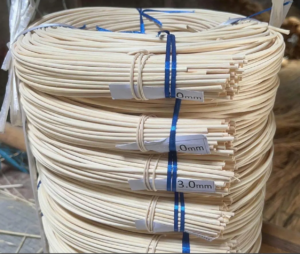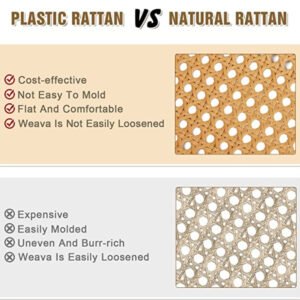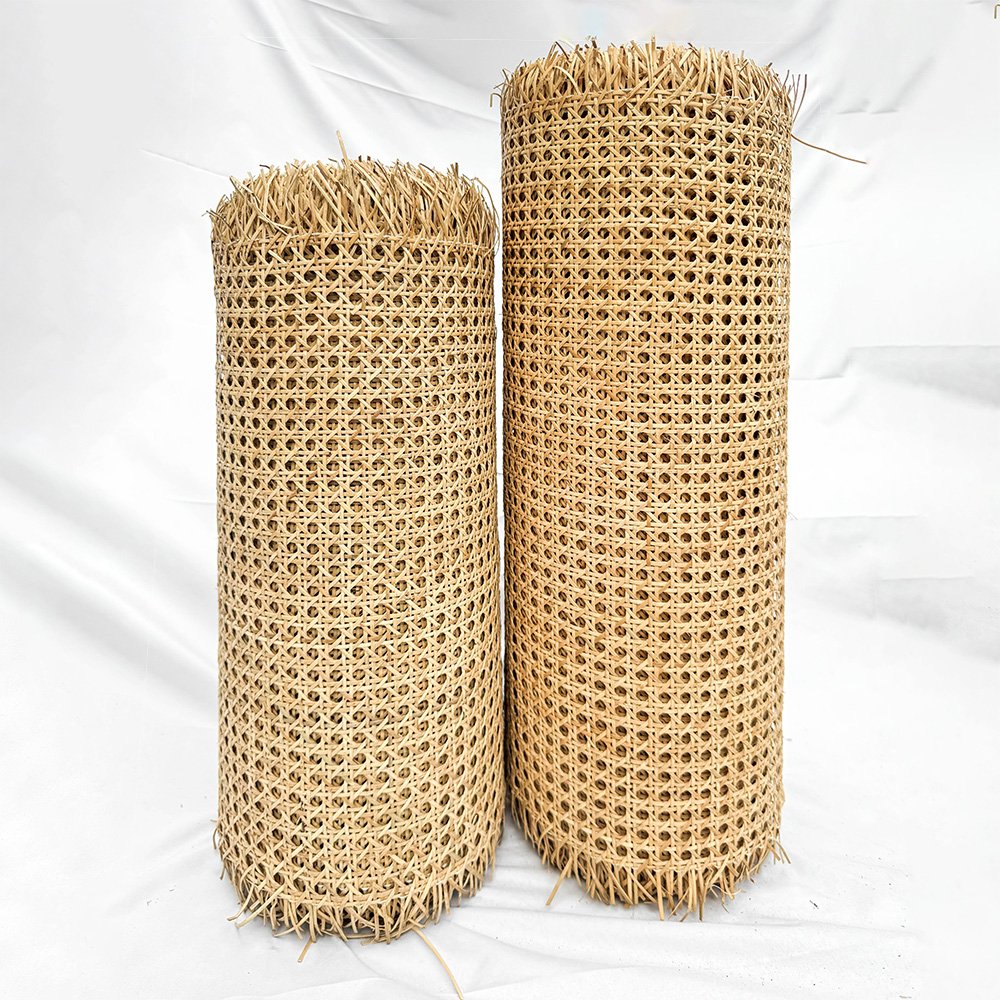
As we move through 2026, the global furniture industry is experiencing a profound “textural renaissance.” Modern consumers are no longer satisfied with flat, sterile surfaces; they crave the depth and warmth provided by woven materials. This has sparked a renewed debate among designers: how do we balance the heritage of natural rattan with the industrial prowess of plastic rattan? In an era defined by a heightened focus on environmental ethics and personal lifestyle needs, the choice between these two materials is no longer just about looks—it is a strategic decision that reflects your values and your vision for your home.
Aesthetic and Textural Appeal: A Sensory Comparison
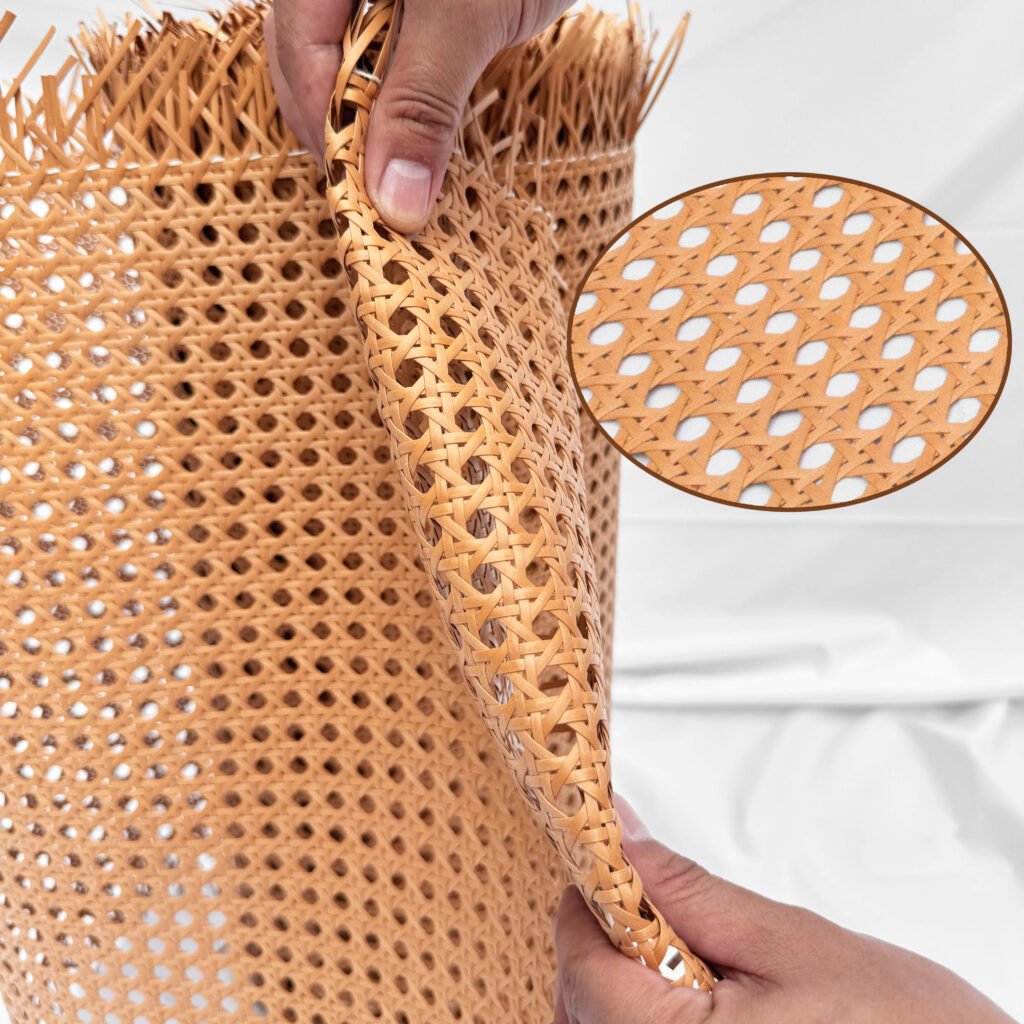
The visual and tactile experience offered by each material is strikingly different. Natural rattan possesses a warm, earthy, and inherently unique appearance. Each piece showcases slight variations in color and grain, telling the story of its organic origin. Its texture is slightly fibrous and pleasantly smooth to the touch. Conversely, plastic rattan provides a more uniform and consistent look. Modern manufacturing allows for a wide range of colors and a perfectly even weave that can mimic the look of natural vines, though it often feels smoother and more synthetic underhand.
Durability and Maintenance in Daily Life
Your lifestyle and placement plans should guide your choice. Natural rattan thrives best in protected indoor settings—think living rooms, sunrooms, or covered patios. It asks for reasonable care, as too much moisture or direct sun may cause drying or fading. Conversely, plastic rattan excels in weather resistance. It withstands rain, humidity, and UV rays with ease, making it the prime candidate for poolside areas, open decks, and gardens. You can clean it quickly with just soap and water.
Environmental Impact and Longevity Considerations
The ecological footprint matters to many buyers. Natural rattan is a biodegradable, renewable resource when sourced from responsibly managed forests. Its production involves a lower carbon footprint than plastics, and after a long life, it returns to the earth. On the other hand, high-quality plastic rattan achieves sustainability through extreme longevity. Although derived from fossil fuels and not biodegradable, its decades-long service life and growing recyclability can reduce waste, since it seldom requires replacement.
Sourcing Authentic Natural Rattan and Scaling Plastic Rattan
The international trade landscape of 2026 emphasizes supply chain diversification and localized production. Natural rattan remains largely dependent on specific tropical climates and local harvesting regulations in Southeast Asia, which occasionally triggers price volatility based on regional weather patterns or maritime shipping delays. In contrast, factories produce plastic rattan in advanced manufacturing hubs globally, reducing the “miles-per-product” and insulating consumers from the geopolitical risks that affect raw material exports. While the prestige of natural rattan stems from its exotic origin and hand-woven heritage, the industrial scalability of plastic rattan ensures that global retailers can offer stable pricing even during periods of logistics instability.
Blending Natural Rattan Soul with Plastic Rattan Strength
Looking toward the end of the decade, technology blurs the lines between these two categories in surprising ways. We witness the rise of invisible nano-coatings that protect natural rattan from moisture, effectively granting it the “superpowers” of synthetic materials without sacrificing its organic feel. Simultaneously, advanced 3D-extrusion techniques allow plastic rattan to mimic the variegated tones and “hairy” textures of real vines so accurately that the imitation fools even a trained eye. As innovation continues, the industry moves toward a future where designers use natural rattan and plastic rattan in tandem—one for its soul and the other for its strength—to create furniture that is both emotionally resonant and physically indestructible.
Conclusion: Making the Right Choice for Your Space
Ultimately, the question of which material performs “better” depends entirely on your specific environment and personal values. If you seek a heritage material that ages with grace and connects you to a specific artisanal tradition, natural rattan represents a perfect investment in authenticity for your protected indoor spaces. However, if you prioritize “buy-it-once” durability that survives the elements and a busy lifestyle, plastic rattan represents the triumph of modern convenience. By recognizing that natural rattan feeds our need for history while plastic rattan satisfies our need for performance, you can curate a home that remains as resilient as it is beautiful.