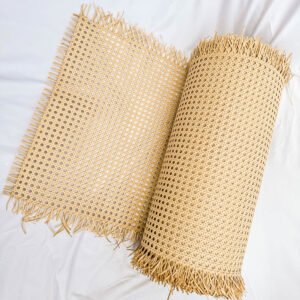
When it comes to adding a touch of warmth and texture to your home or outdoor space, choosing between natural rattan and plastic rattan can feel like a tough decision. Both materials have their own unique charm and practicality, but understanding their key differences is the key to picking the perfect option for your needs. Natural rattan, harvested from the stems of rattan palms, brings an authentic, organic vibe that’s hard to replicate, while plastic rattan, a synthetic alternative made from polyethylene or PVC, offers durability and low maintenance that appeals to busy lifestyles. Let’s break down what makes each material stand out, so you can make a choice that aligns with your style, budget, and usage.
The Authentic Organic Appeal of Natural Rattan
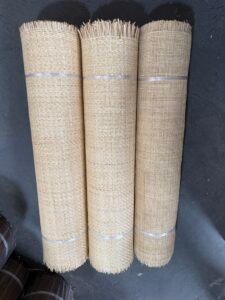
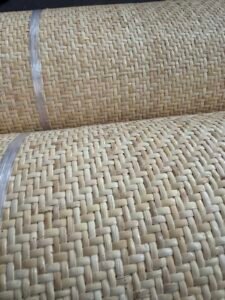
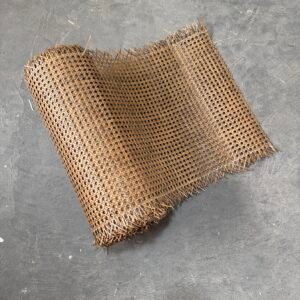
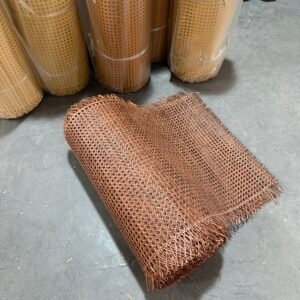
Natural rattan, derived from sustainably harvested rattan palm stems, offers an unrivaled sense of authenticity and natural beauty. Its warm, earthy tones and unique, irregular textures create a rustic, inviting ambiance that transforms any space into a cozy retreat. Each piece of natural rattan is one-of-a-kind, bearing the subtle marks of its natural origin, which adds character and charm. This material thrives in indoor settings, where it can truly shine as a statement piece, whether used for a dining chair, a decorative basket, or a side table. Its soft, breathable texture provides a tactile comfort that synthetic materials simply cannot replicate.
The Durable, Low-Maintenance Convenience of Plastic Rattan
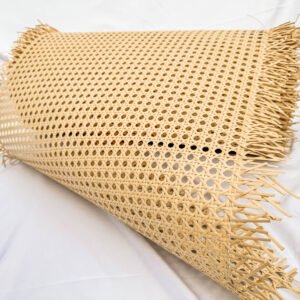
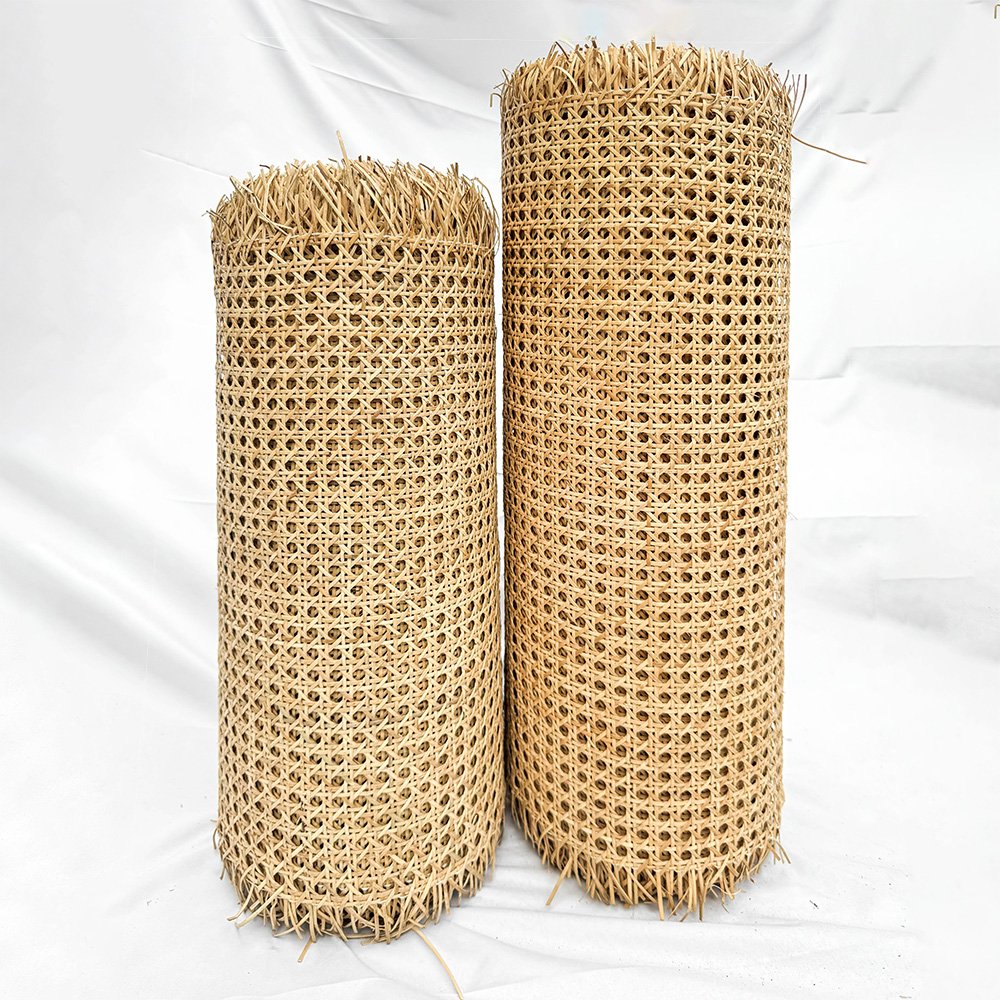
Plastic rattan, on the other hand, is a synthetic alternative designed for practicality and resilience. Crafted from durable polymer materials, it is engineered to withstand the elements, making it an excellent choice for outdoor patios, gardens, or high-moisture areas. Unlike natural rattan, plastic rattan is resistant to water, UV rays, and mold, meaning it won’t crack, fade, or warp when exposed to rain or direct sunlight. It requires minimal maintenance—simple wiping with a damp cloth is all it takes to keep it looking fresh. This low-upkeep nature makes plastic rattan a hassle-free option for busy individuals or those seeking long-lasting performance with little effort.
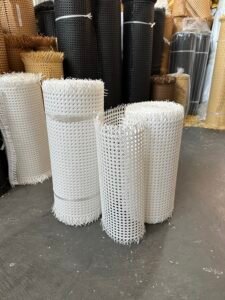
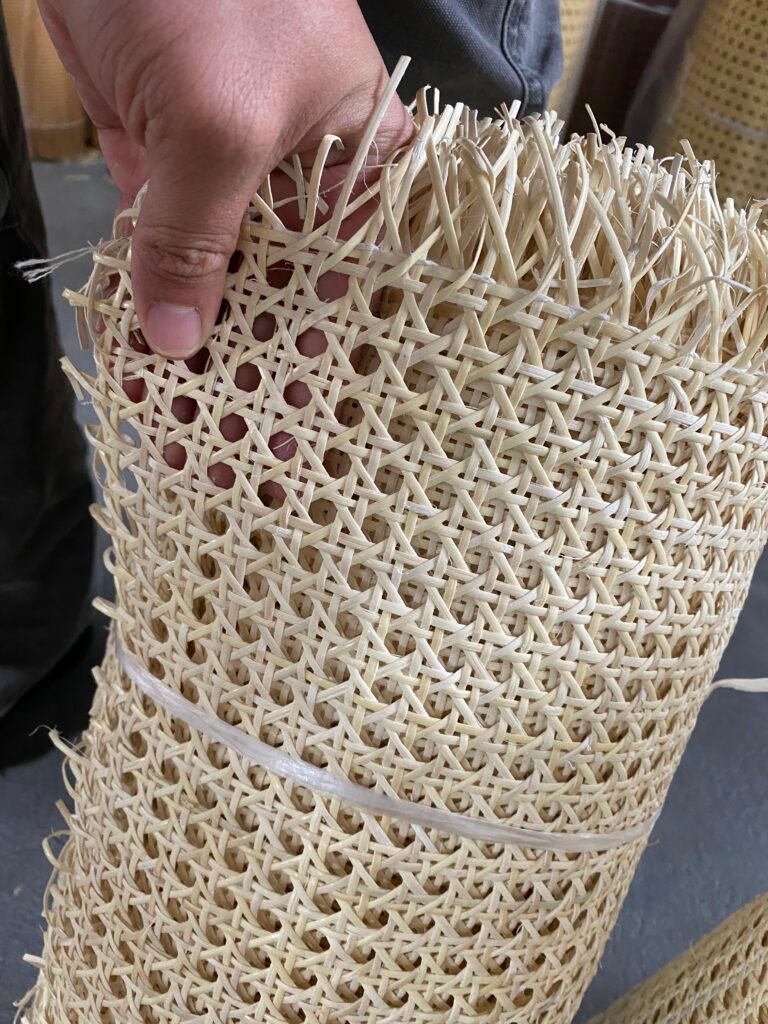
Natural Rattan Sheet Hexagonal Hole White Color
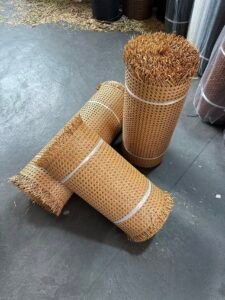
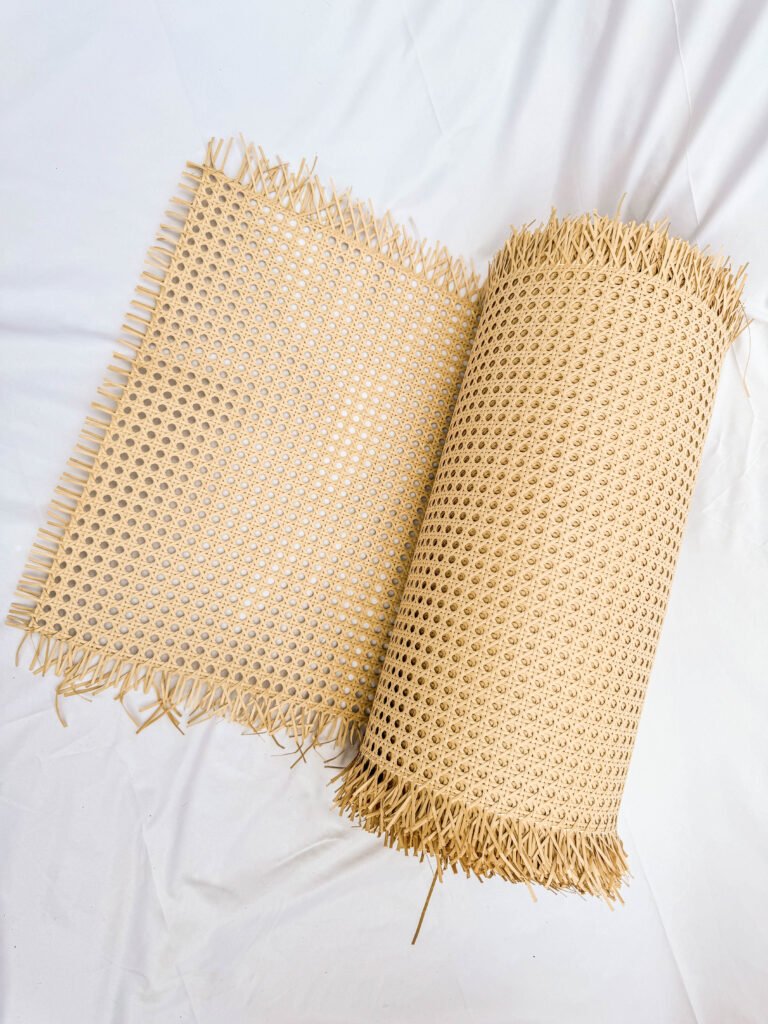
High-Temperature Resistant PE rattan Webbing yellow color
The Dual Paths of Rattan: Natural Craftsmanship vs. Synthetic Innovation
The Indoor Soul of Natural Rattan vs. All-Weather Plastic Rattan
Where you place your furniture is often the ultimate deciding factor in this material debate. Natural rattan is a “breathable” fiber that expands and contracts with humidity, making it the gold standard for indoor sanctuaries like master bedrooms or libraries where a sense of tranquility is paramount. However, for the booming “outdoor living” sector, plastic rattan is the undisputed champion due to its total resistance to UV radiation, rain, and the extreme temperature fluctuations that would cause organic vines to rot or crack. Essentially, natural rattan provides the emotional heart for your interior spaces, while plastic rattan ensures that your garden or balcony remains aesthetically consistent year-round without the need for constant maintenance.
Environmental Impact and Aesthetic Feel
The ecological footprint and look of these materials differ greatly. Natural rattan offers a biodegradable and renewable option. When sourced responsibly, it represents a sustainable choice that connects your home to natural cycles. Its aesthetic is warm, authentic, and inherently varied—each piece has unique grains, nodes, and a subtle, earthy scent. The texture is tactile and rich. Conversely, while highly durable, plastic rattan is derived from petroleum-based products. Although many types are recyclable, its production and end-of-life disposal pose environmental questions. Visually, modern plastic rattan can convincingly mimic the look of its natural counterpart, but it often lacks the organic imperfections and warmth. The feel is consistently uniform and smooth to the touch.
Final Verdict
There’s no universal “better” rattan—only the right fit for your needs. Choose natural rattan if you crave organic warmth, indoor coziness, and eco-friendliness. Opt for plastic rattan if you need durable, low-maintenance pieces for outdoor use, or affordable, versatile styling on a budget. Both materials elevate spaces, so align your choice with your priorities to enjoy rattan’s timeless appeal fully.