As we navigate the interior design trends of 2026, the furniture industry drives a massive shift toward “resilient biophilia.” Modern homeowners no longer settle for sterile plastic or cold metal; instead, they demand the warmth of woven textures. This brings us to a critical crossroads: should you invest in the artisanal legacy of natural rattan or embrace the high-performance utility of plastic rattan? To choose correctly, you must look beyond the surface and evaluate how these materials interact with your specific environment, your ethical stance, and your long-term lifestyle.
Natural vs. Plastic: Core Identity
The choice begins with the skin. When you touch natural rattan, you engage with the organic “imperfections” of a vine that once climbed a tropical canopy, offering a tactile warmth that synthetic materials rarely replicate. Designers of premium plastic rattan now employ high-density polyethylene (HDPE) to mimic this touch, yet they prioritize a different sensory experience: total structural consistency. While the occasional splinter or slight grain variation in natural rattan provides a “soul” for luxury interiors, the snag-free, smooth surface of plastic rattan offers a predictable, ergonomic comfort that satisfies the needs of modern, high-traffic households.
Indoors vs. Outdoors: Environment Matters
In 2026, every furniture purchase carries a “Carbon Passport.” Natural rattan wins the hearts of conservationists because it grows as a fast-replenishing, carbon-sequestering plant that supports the preservation of Southeast Asian rainforests. Conversely, the synthetic industry has transformed plastic rattan into a champion of the circular economy, utilizing chemically recycled ocean waste to prevent further landfill growth. Choosing natural rattan directly funds forest-dwelling communities, whereas selecting high-quality plastic rattan supports the advanced industrial loops required to purge our oceans of non-biodegradable waste.
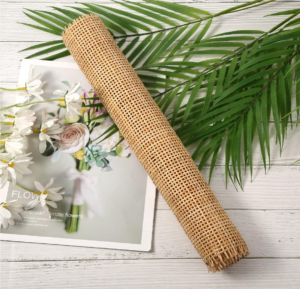
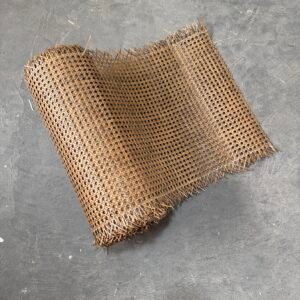
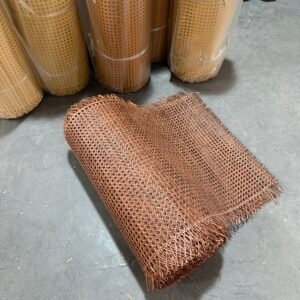
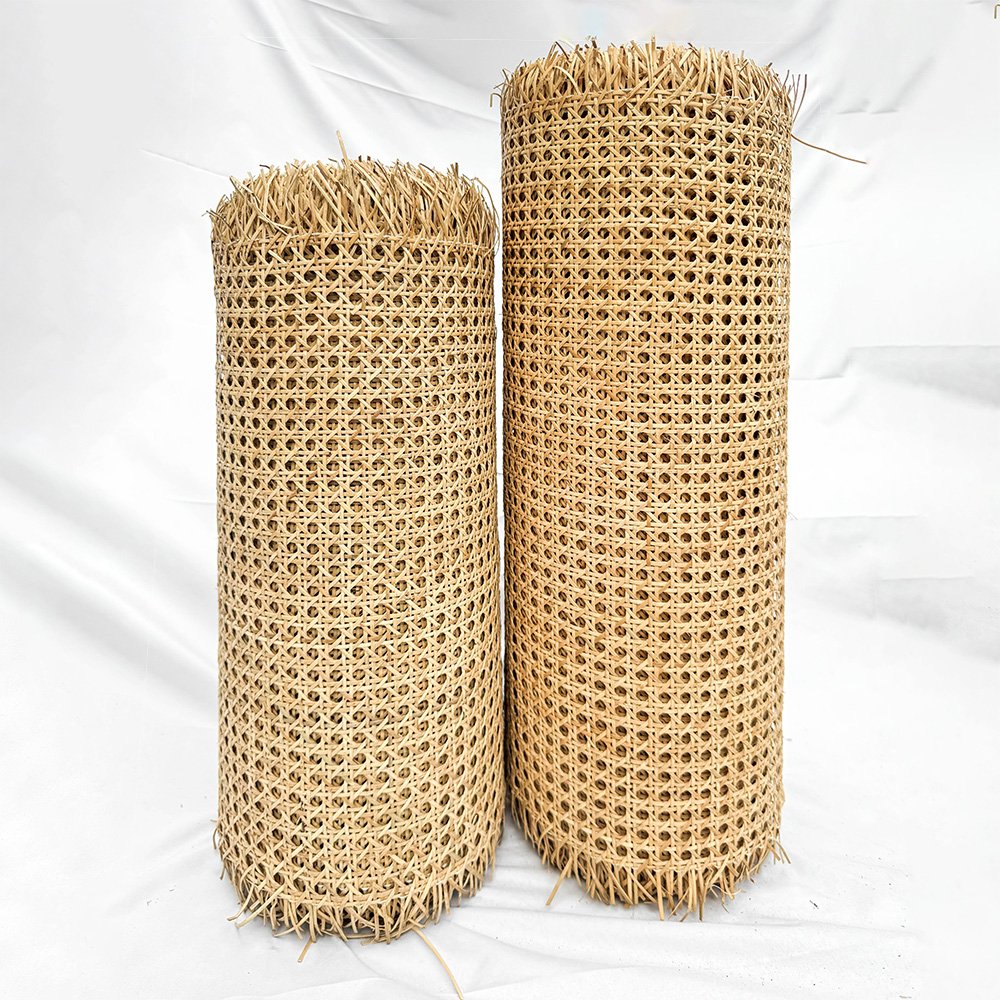
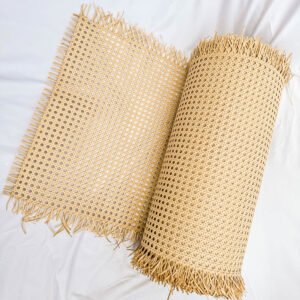
Natural Rattan Radio Woven for Rattan Furniture
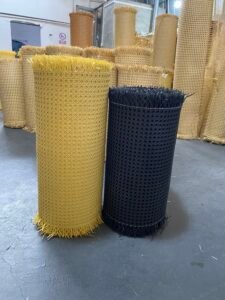
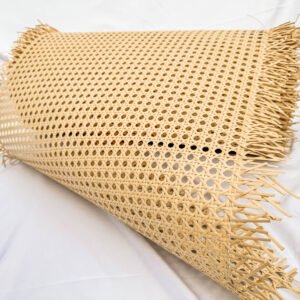
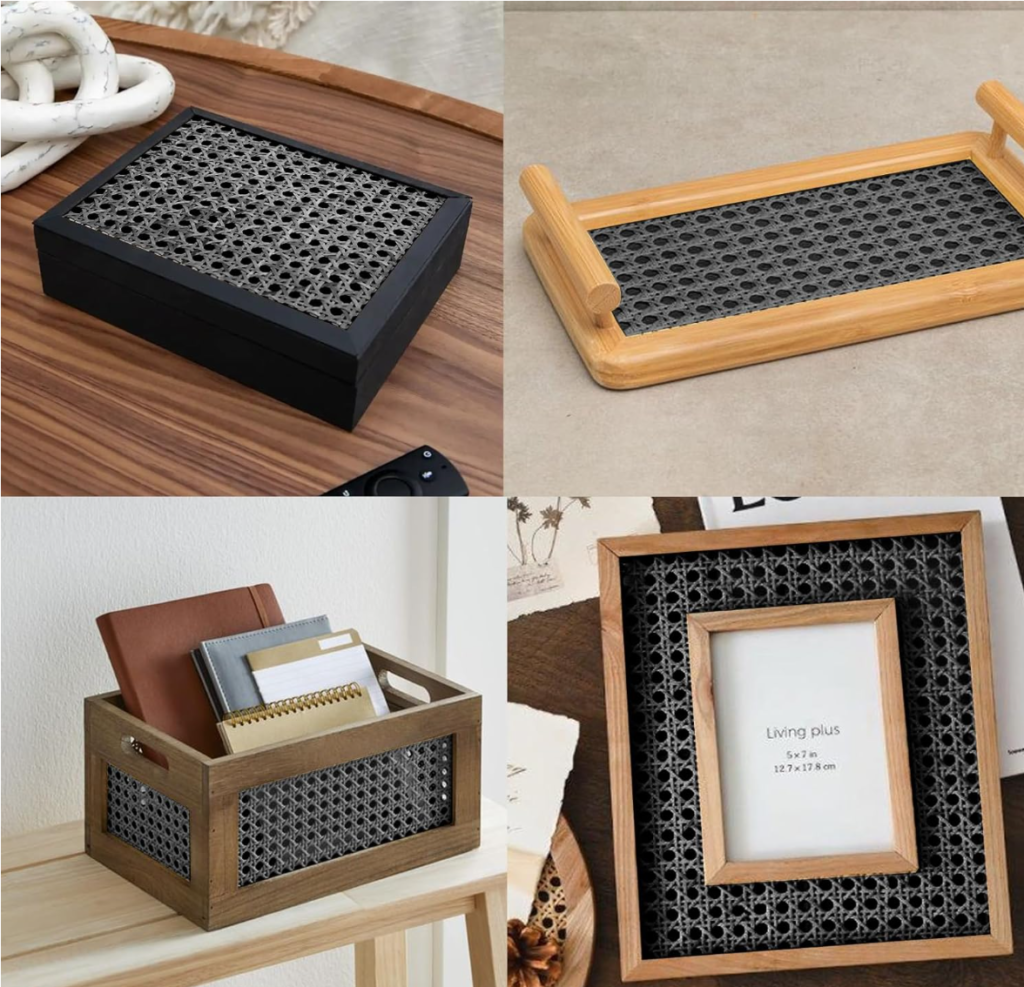
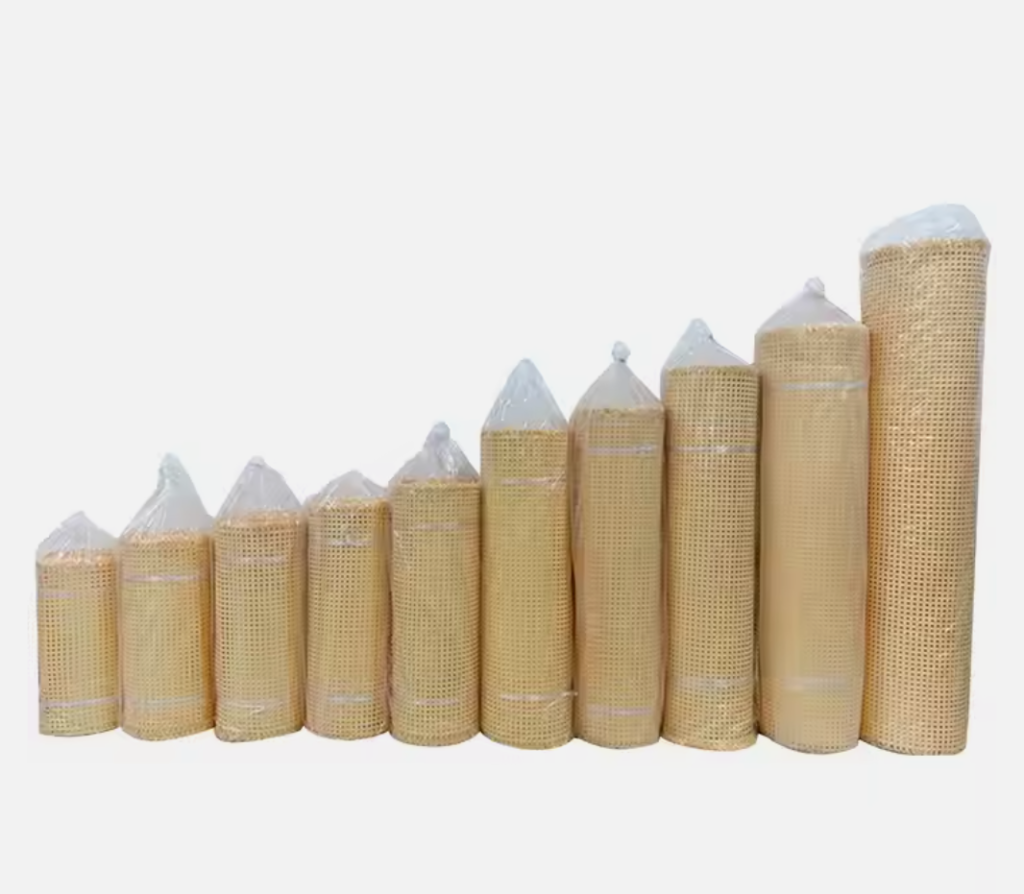
Imitation Cyan Color Hexagonal hole Plastic Rattan
https://vitranexco.com/vi/news/Tin-tuc-Su-kien/what-is-rattan-webbing-roll
Careful vs. Carefree: Maintenance Realities
Your tolerance for upkeep decides here. Natural rattan requires mindful care: regular dusting, protection from spills, and climate control to maintain its beauty for decades. Plastic rattan offers a carefree lifestyle. A quick wipe with soapy water is all it needs, standing up to messes and weather with zero fuss, year after year.
Protecting Natural Rattan vs. Testing Plastic Rattan
Think about sensory experience. Natural rattan provides breathable warmth and a slightly yielding, authentic texture that adds organic character to a room. Plastic rattan delivers a firm, consistent feel. Its smooth, non-porous surface is inherently weatherproof, often paired with plush cushions for outdoor comfort.
Harvesting Natural Rattan vs. Scaling Plastic Rattan
The global supply chain of 2026 introduces new price complexities. Natural rattan remains a regional commodity, meaning its price fluctuates based on tropical weather patterns and Southeast Asian labor regulations, often making it a premium, boutique investment. Meanwhile, global manufacturing hubs produce plastic rattan at a much larger scale, insulating the consumer from regional harvests and offering more stable pricing for large-scale projects. While the artisanal scarcity of natural rattan adds to its prestige and resale value, the industrial accessibility of plastic rattan allows for a more democratic and immediate furnishing of the modern home.
Nano-Coated Natural Rattan vs. Bio-Mimetic Plastic Rattan
As we look toward the 2030s, technology starts to blur the boundaries between these two rivals. Scientists now apply invisible, bio-based nano-coatings to natural rattan to grant it the moisture-shielding “superpowers” typically found in synthetics. Simultaneously, AI-driven extrusion allows factories to create plastic rattan with variegated color tones and microscopic textures so realistic they fool the trained eye. This convergence means that one day, the performance gap between natural rattan and plastic rattan may vanish, leaving “intentionality” as the only remaining difference between a forest-grown vine and a lab-perfected polymer.
Conclusion: Making the Strategic Choice
Ultimately, the “better” material depends on your definition of value. If you crave a connection to history and a material that ages with a unique patina, natural rattan represents an irreplaceable investment in authenticity. However, if your 2026 lifestyle demands a maintenance-free, weather-proof solution that survives the chaos of daily life, plastic rattan stands as the triumph of modern utility. By placing natural rattan in your most quiet rooms and plastic rattan on your most active terraces, you build a home that is both spiritually grounded and physically resilient.