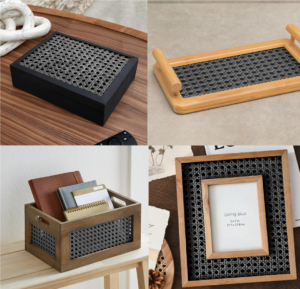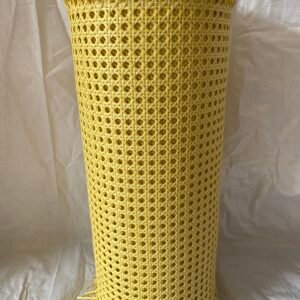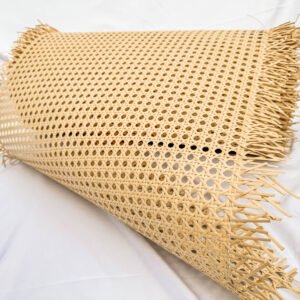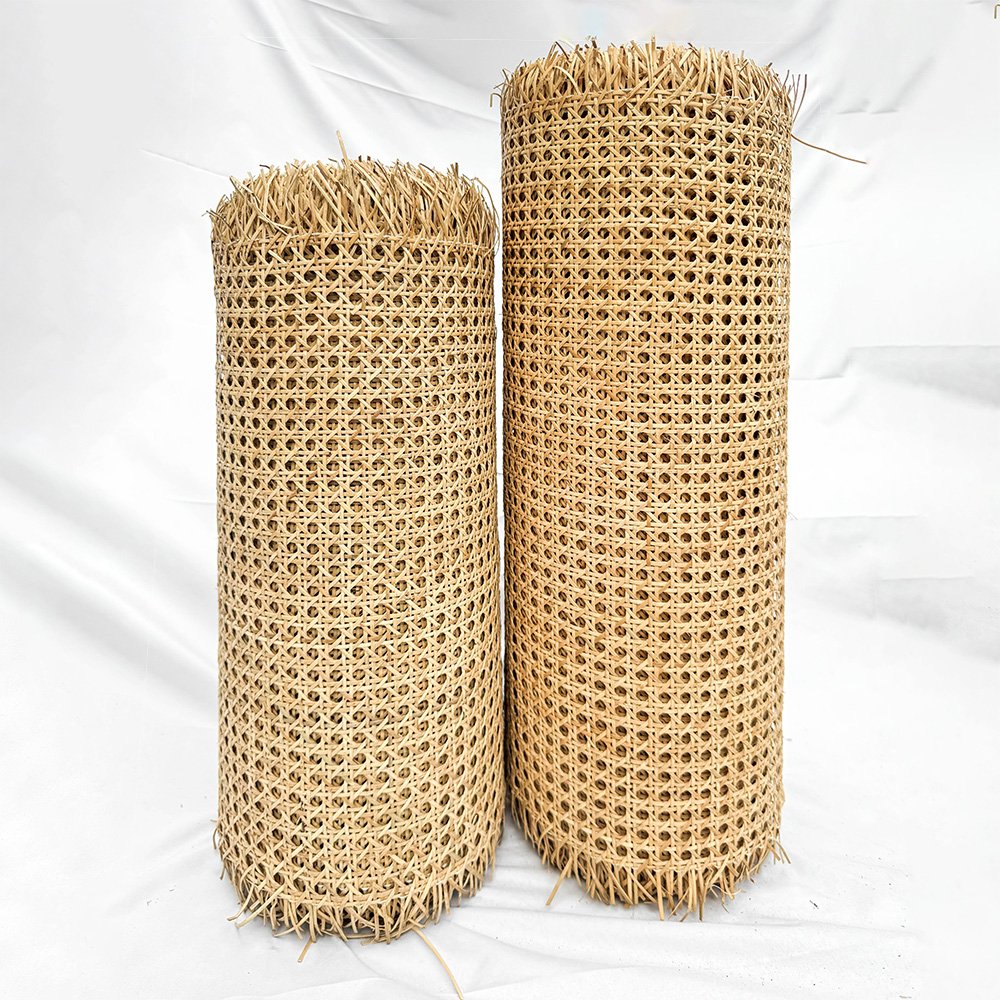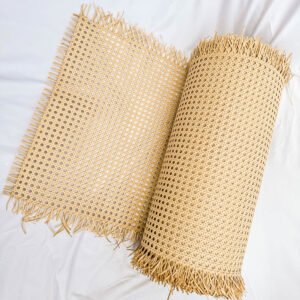
In the world of interior design and furniture manufacturing, rattan has experienced a massive resurgence. Its ability to bring warmth, texture, and an organic feel to a space is unparalleled. However, consumers and designers often face a pivotal choice: Natural Rattan or Synthetic (Plastic/PE) Rattan? Both materials offer distinct aesthetic and functional advantages, but the “better” choice depends entirely on the environment and the user’s lifestyle. rattanweave.com
1. The Soul of the Home: Natural Rattan
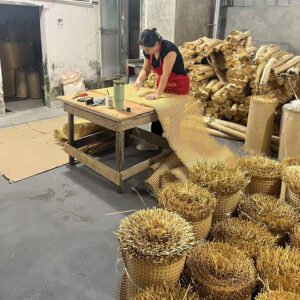
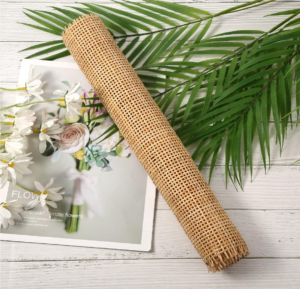
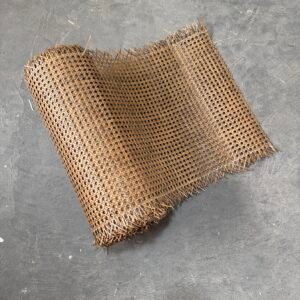
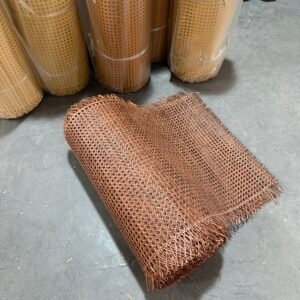
Natural rattan is derived from the stems of climbing palms found in tropical regions. It is a material with “soul”—each vine possesses unique grains, slight color variations, and a tactile warmth that synthetic alternatives struggle to replicate.
- Aesthetic and Psychological Appeal: Natural rattan is the hallmark of Bohemian, Scandinavian, and Coastal design styles. Because it is an organic material, it creates a psychological connection to nature, promoting a sense of calm and well-being within a home.
- Sustainability: As a fast-growing, renewable resource, natural rattan is highly eco-friendly. It is biodegradable and generally involves artisanal craftsmanship, supporting traditional weaving communities.
- The Limitation: The primary drawback is its vulnerability. Natural rattan is “breathable” and porous; it reacts to humidity and temperature. If exposed to direct sunlight for prolonged periods, it can become brittle. If left in the rain, it is susceptible to mold and rot. Therefore, it is strictly an indoor or protected-patio material.
2. The Performance King: Synthetic (PE) Rattan
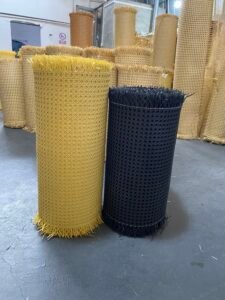
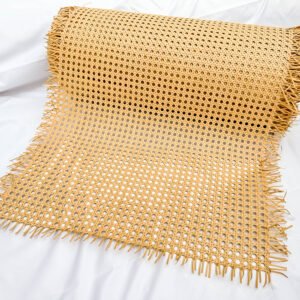
Synthetic rattan, often made from High-Density Polyethylene (HDPE), was engineered specifically to solve the durability issues of natural fiber. While it mimics the look of woven wood, its DNA is entirely different.
- Weather Resistance: This is where plastic rattan shines. It is waterproof, UV-resistant, and can withstand extreme temperature fluctuations without cracking or fading. It is the gold standard for outdoor furniture, poolside loungers, and garden sets.
- Ease of Maintenance: Unlike natural rattan, which requires specific oils or gentle cleaning to prevent drying out, synthetic rattan can be hosed down with water and mild soap. It is virtually maintenance-free.
- Evolution of Quality: Modern “PE Rattan” (Polyethylene) is a significant upgrade over the cheap, shiny PVC plastics of the past. High-end synthetic rattan now features matte finishes and variegated colors that look remarkably convincing from a distance.
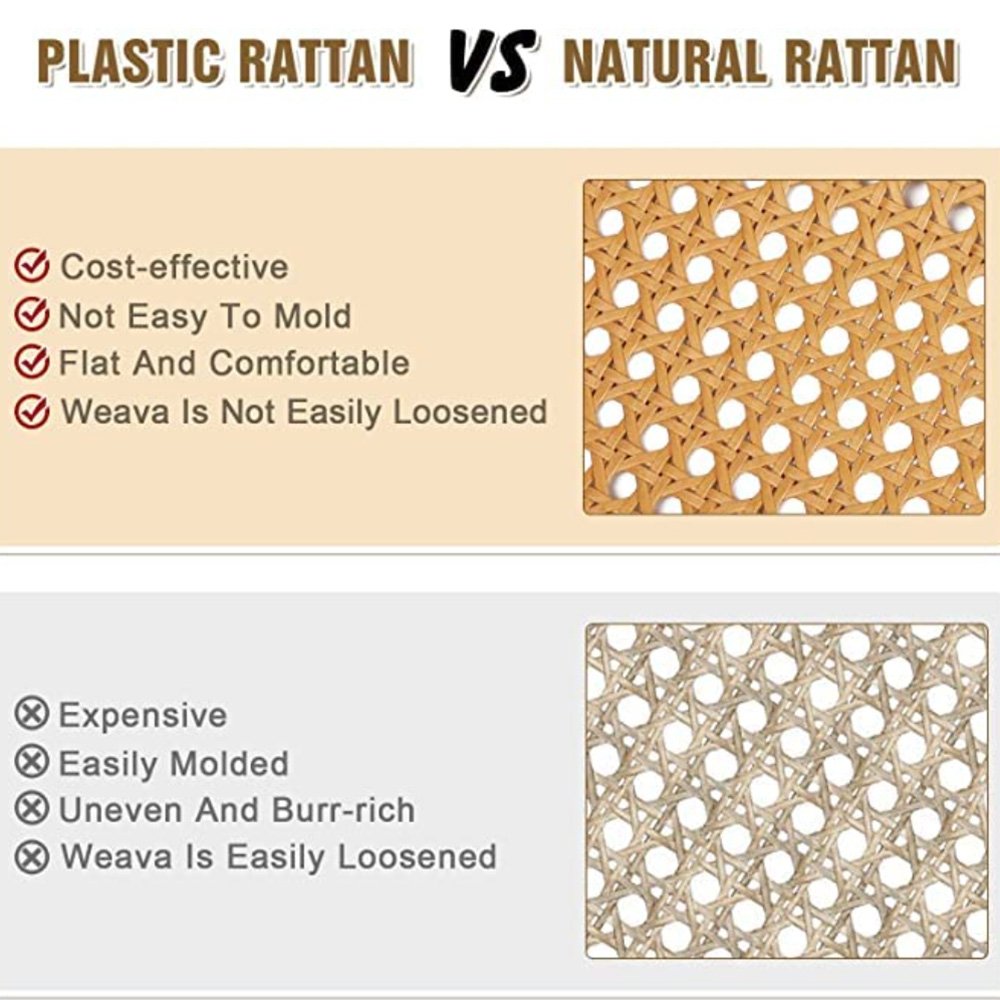
| Feature | Natural Rattan | Synthetic (PE) Rattan |
| Best Use | Indoors, Bedrooms, Sunrooms | Gardens, Patios, High-traffic areas |
| Durability | Moderate (Needs protection) | High (Weatherproof) |
| Tactile Feel | Warm, textured, organic | Cooler, smooth, slightly “waxy” |
| Eco-Friendliness | High (Biodegradable) | Low to Moderate (Recyclable but plastic-based) |
| Price Point | Can be expensive for premium grades | Ranges from budget to luxury |
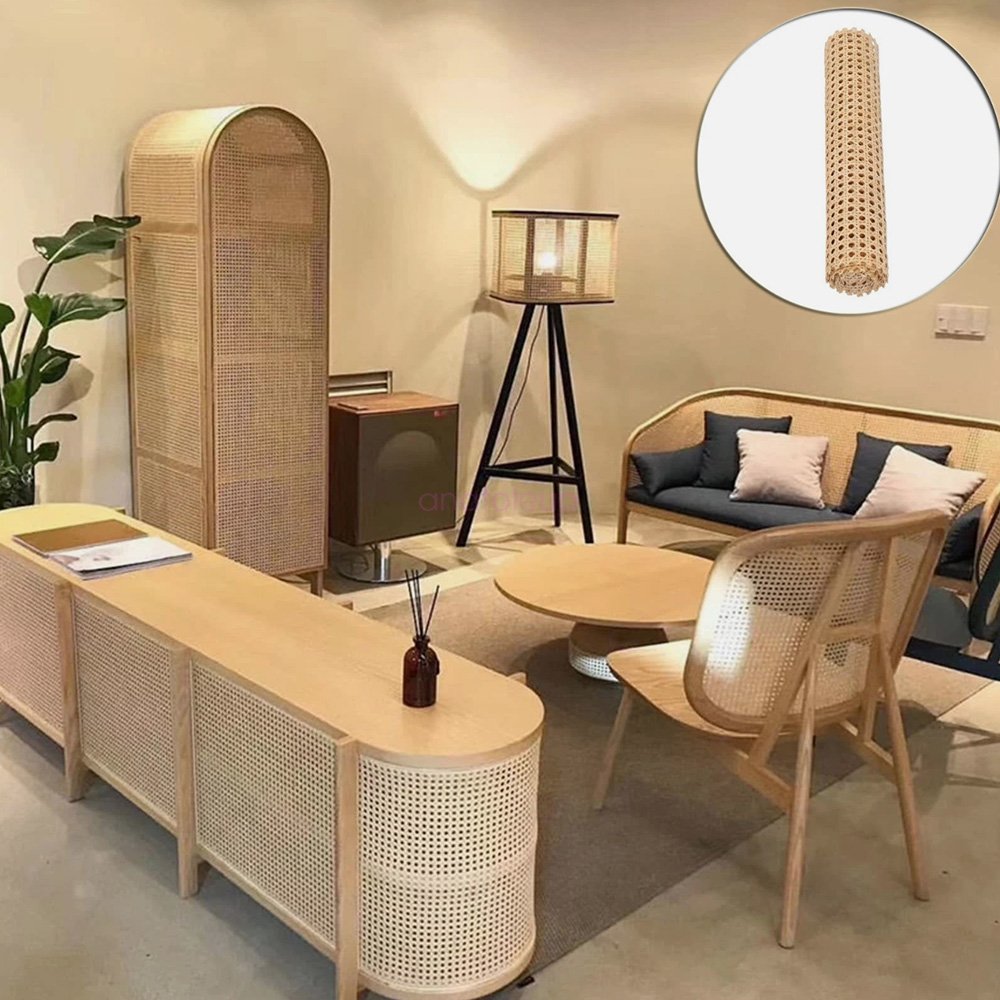
High-End Aesthetics: Natural Rattan’s Unmatched Decorative Value
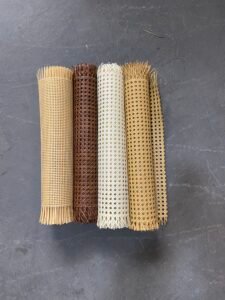
Aesthetics is a key factor in furniture decoration, and natural rattan’s unique charm is unparalleled by plastic rattan. Harvested from natural rattan palms, natural rattan features warm, earthy tones, delicate grain patterns, and a soft, matte luster. Each strand of rattan has slight variations in texture and color, making every piece of natural rattan furniture unique. This natural uniqueness allows it to seamlessly integrate with diverse decoration styles, from minimalist Scandinavian to tropical resort and traditional pastoral. Whether used as a living room sofa, balcony chair, or dining table set, natural rattan adds a touch of elegance and warmth, creating a cozy and high-end atmosphere. In contrast, plastic rattan—made by imitating natural rattan’s appearance—lacks natural vitality. Its color is overly uniform, and its surface luster is rigid, often giving a cheap, artificial impression. Even high-quality plastic rattan can hardly replicate the natural texture and artistic sense of real rattan, making it less competitive in high-end decoration markets.
Long-Term Value: Natural Rattan Boasts Durability & Aging Charm
Regarding durability and maintenance, while plastic rattan seems more “low-maintenance” in the short term, natural rattan offers better long-term value with proper care. Plastic rattan is water-resistant and moisture-proof, making it suitable for outdoor use such as gardens or poolside areas. However, prolonged exposure to sunlight and rain will cause it to age, fade, and become brittle, usually with a service life of only 3-5 years. Natural rattan is more sensitive to moisture and needs to be placed in a dry, well-ventilated environment to avoid moth-eaten and mildew. But with regular maintenance—such as wiping with a dry cloth, avoiding direct strong sunlight, and applying a thin layer of wood oil annually—natural rattan furniture can last 10-20 years. What’s more, natural rattan’s texture becomes more mellow and glossy over time, forming a unique “sense of age” that enhances its decorative value. This long-term durability and value appreciation are what plastic rattan cannot provide.
Key Selling Points Summary: Why Natural Rattan Is a Must-Have for B-End Buyers
Core Selling Points of Natural Rattan (B-end Promotion, Attractive Version): 1. Exclusive Aesthetics: Unmatched natural texture & warm earthy tones, seamlessly fitting diverse decor styles—your top choice for high-end market positioning; 2. Eco-Sustainable Edge: 100% renewable, sustainably harvested & fully degradable, perfectly aligning with global green trends and boosting your CSR credibility; 3. Long-Term Value Appreciation: 10-20 years of service life with simple maintenance, plus a unique mellow aging texture that enhances product charm over time; 4. Premium Comfort Experience: Superior breathability & elasticity, keeping cool in summer and relieving sitting fatigue—winning over end-users with comfort; 5. Market Competitiveness Booster: Ideal for high-end indoor scenarios (home/hotel/office), helping you stand out from competitors and elevate brand value.
Analysis and Conclusion: A Question of Context and Character
When weighing these two materials, the decision ultimately hinges on the intended use and the desired emotional impact. Plastic rattan is a pragmatic solution for high-traffic areas, outdoor patios, or environments where exposure to moisture and sunlight is unavoidable. Its resilience is undeniable, and for those prioritizing convenience and longevity in harsh conditions, it is an excellent choice.
However, for the core purpose of furniture decoration—creating a space that feels like a home—natural rattan holds a distinct and superior position. The synthetic sheen of plastic, no matter how well crafted, cannot replicate the soul and authenticity of natural fibers. The minor imperfections, the warm honey tones, and the gentle creaking of a natural rattan chair contribute to a room’s character in a way that plastic simply cannot emulate. While plastic imitates the look, it lacks the life.
In conclusion, while plastic rattan serves a valuable niche for outdoor and high-durability applications, natural rattan is the more suitable material for furniture decoration in most residential settings. It offers an unparalleled aesthetic richness, promotes well-being through its organic nature, and supports sustainable practices. Choosing natural rattan is an investment not just in a piece of furniture, but in the atmosphere of a home, fostering a timeless, comfortable, and authentic environment that synthetic materials strive to achieve but never fully capture.