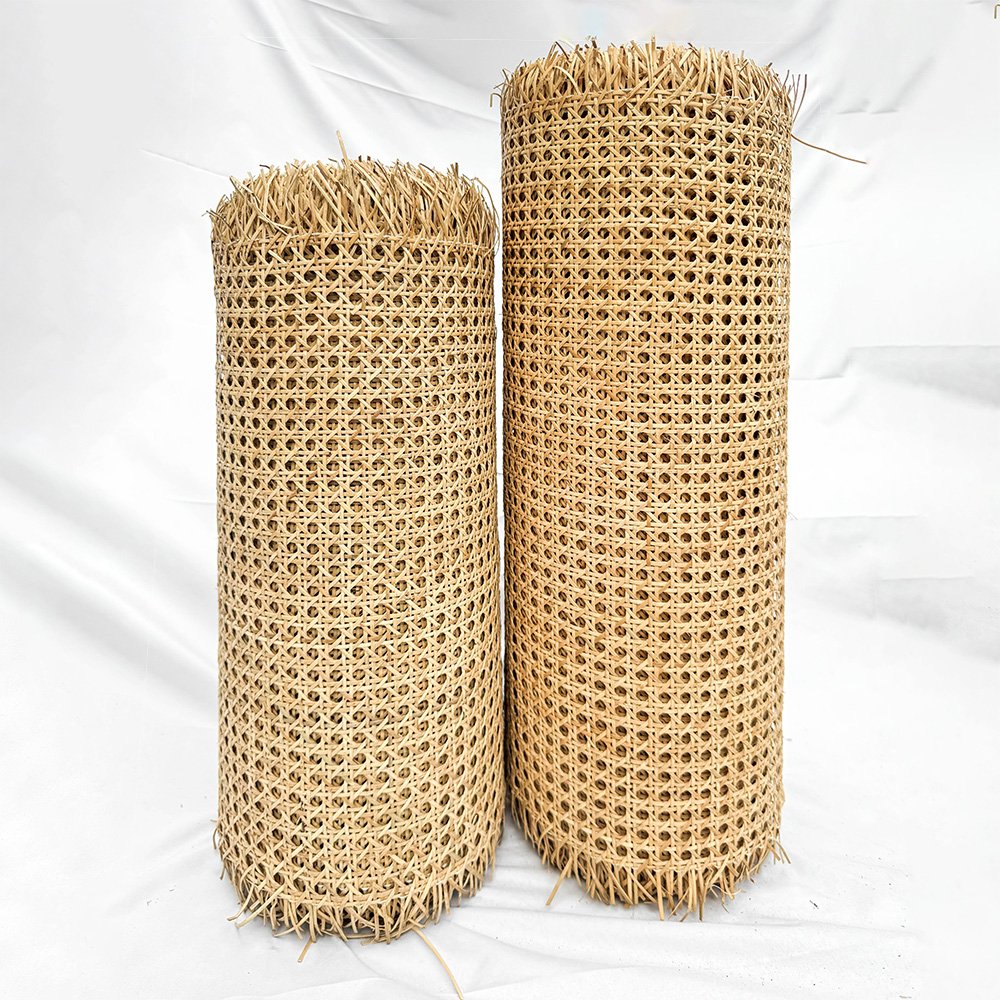
As we move through 2026, the furniture and décor industries are witnessing a fascinating convergence of ancient tradition and high-tech polymers. The “tactile home” has become a central theme in global design, driven by a collective desire for texture and depth in our living spaces. However, the choice between materials is no longer just an aesthetic one; it is now a strategic decision influenced by geopolitical shifts, climate mandates, and a new generation of consumers. Whether it is the organic allure of natural rattan or the engineered resilience of plastic rattan, both materials are currently navigating a complex international market that values both soul and stamina.
The Geopolitics of Supply and Stability
In the current international climate, supply chain resilience has become the top priority for global retailers. Natural rattan, primarily harvested from the rainforests of Southeast Asia, remains subject to the fluctuations of local agricultural policies and seasonal climates, which can occasionally lead to price volatility in Western markets. Conversely, plastic rattan offers a more stable industrial alternative, as its production can be localized closer to major consumer hubs in Europe and North America, reducing reliance on long-haul maritime shipping. While the scarcity of high-grade raw vines can limit the output of natural rattan, the scalable nature of synthetic extrusion ensures that plastic rattan remains the go-to choice for massive commercial contracts and rapid-delivery furniture lines.
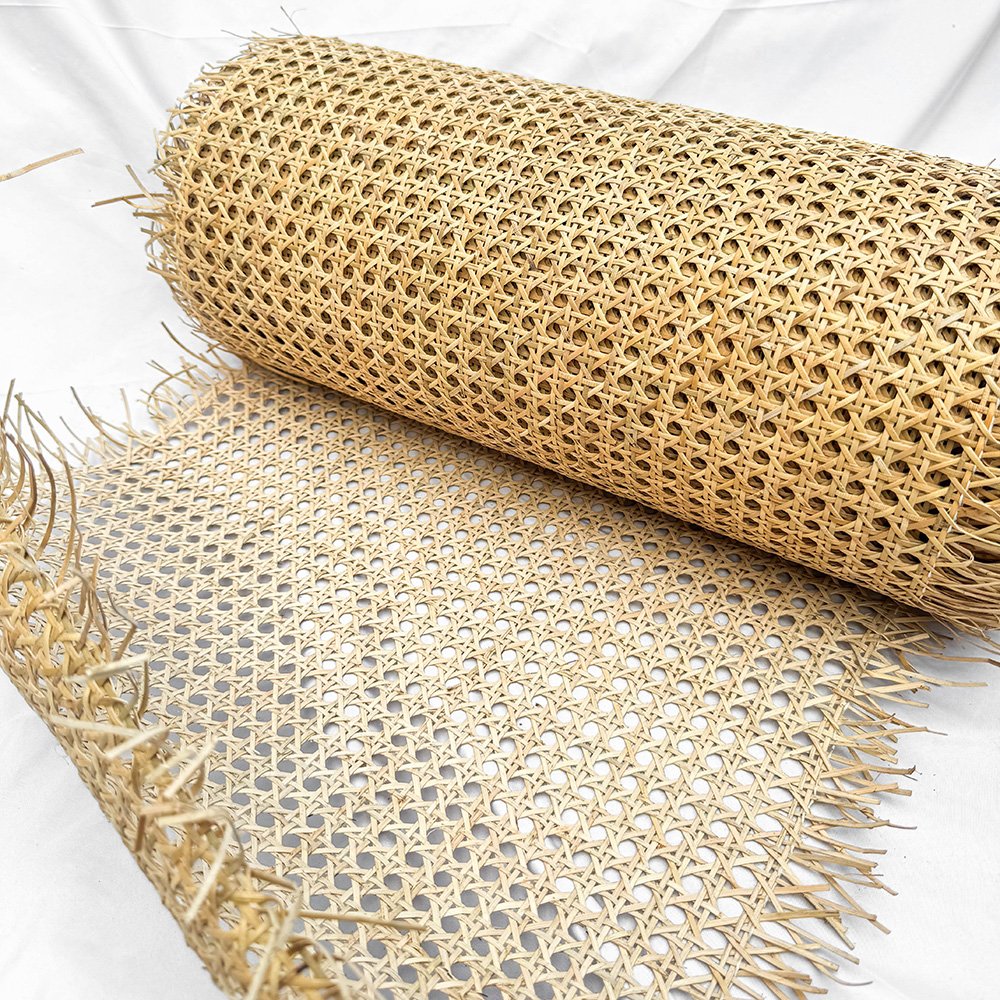
Natural Rattan Hexagonal Hole Webbing White Color
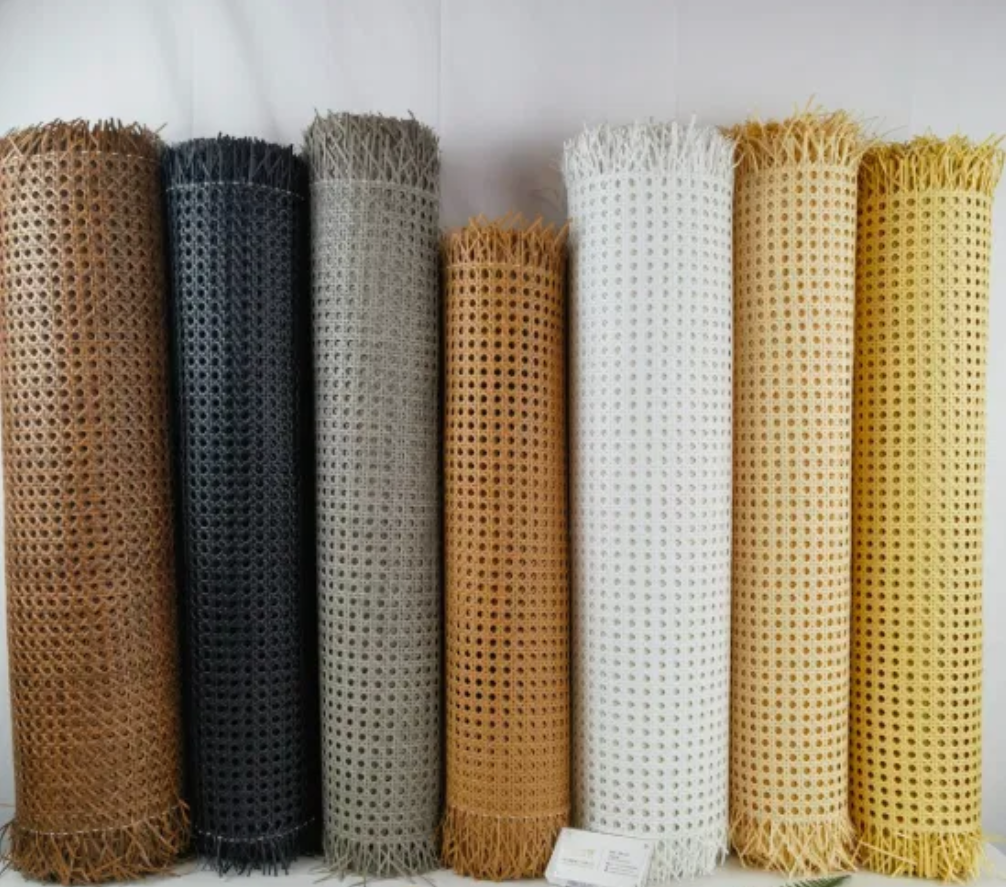
Eco friendly plastic rattan webbing wood color
The Rise of the “Hybrid” Living Space
The boundary between the garden and the living room has officially dissolved in 2026, leading to a “hybrid” approach to home décor. Designers are increasingly placing natural rattan statement pieces in high-end master suites to provide a sensory connection to nature that promotes mental well-being. At the same time, the transition areas—such as covered patios and glass-walled balconies—are being dominated by premium plastic rattan that mimics the look of authentic wood but survives the morning dew. This duality allows homeowners to enjoy the heritage aesthetic of natural rattan in protected zones while trusting the UV-resistance of plastic rattan for areas exposed to the elements, creating a seamless visual flow throughout the property.
The environmental imperative increasingly influences material selection and industry practices. Natural rattan advocates emphasize the material’s biodegradability and carbon sequestration potential, while plastic rattan manufacturers develop circular economy initiatives, including recycling programs and waste minimization strategies . Regulatory evolution, particularly the ongoing UN Global Plastics Treaty negotiations, may introduce production caps or material restrictions that could disadvantage plastic rattan, while potentially creating certification frameworks that benefit responsibly sourced natural rattan . Both industries face supply chain vulnerabilities—natural rattan from climate-induced harvesting disruptions and plastic rattan from petrochemical price volatility—necessitating adaptive strategies for long-term resilience.
Future Outlook: A Coordinated Ecosystem
Looking toward the end of the decade, the market is unlikely to see one material “kill” the other; instead, they will coexist in a coordinated ecosystem. Natural rattan will solidify its position as a luxury, artisanal commodity—a “slow-made” treasure that carries the signature of the person who wove it. In contrast, plastic rattan will evolve into the ultimate utilitarian material, essential for the growing hospitality sector and urban apartments where durability is non-negotiable. While the prestige of natural rattan remains unchallenged in the world of high-fashion interiors, the sheer versatility and evolving eco-profile of plastic rattan ensure it will remain the backbone of the global outdoor living market.
Technological Convergence and “Tactile Mimicry”
Innovation in 2026 is blurring the lines between the biological and the synthetic more than ever before. We are seeing the emergence of nano-coatings applied to natural rattan to increase its moisture resistance, effectively giving the organic fiber some of the “superpowers” usually associated with synthetics. Meanwhile, advanced 3D-texturing and matte finishes on plastic rattan have reached a level of sophistication where it is nearly impossible to distinguish from the real thing at a glance. As the “feel” of plastic rattan becomes warmer and less waxy, it begins to compete directly with natural rattan for indoor applications, forcing the traditional weaving industry to lean even harder into the unique, “perfectly imperfect” flaws that define authentic vine work.
Consumer behavior and design trends continue to evolve in response to global sustainability movements. Natural rattan appeals to consumers seeking authentic, handcrafted products with cultural heritage and environmental credentials, particularly among younger demographics prioritizing ethical consumption . The material’s connection to traditional craftsmanship and support for rural communities in Southeast Asia adds social value beyond mere functionality. Conversely, plastic rattan attracts commercial buyers and urban consumers prioritizing durability, low maintenance, and consistent aesthetics, with synthetic materials offering superior performance in harsh weather conditions and high-traffic environments
Conclusion
Ultimately, natural rattan and plastic rattan are not opposing rivals, but complementary solutions for a global market in transition. natural rattan carries forward ecological stewardship and cultural heritage, serving the premium sustainable market, while plastic rattan drives material innovation and accessible durability for mass and commercial use cases. As the world continues to prioritize sustainability without sacrificing functionality, both materials will play vital roles in building a more inclusive, low-carbon global home and lifestyle industry for years to come.