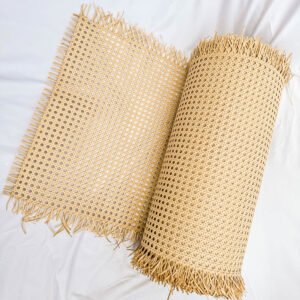
Introduction to Artificial Rattan and Sustainable Living
Sustainable living has become a major focus in modern society as individuals and industries strive to reduce their environmental footprint and adopt eco-friendly practices. Among the various materials gaining popularity in the sustainable lifestyle movement, artificial rattan stands out for its versatility, durability, and minimal environmental impact. China HeXing Rattan Weaving Materials Co., Ltd, commonly referred to as HeXing Rattan Weaving, is at the forefront of manufacturing high-quality artificial rattan materials, providing innovative solutions for furniture and décor that align with sustainability goals.
What is Artificial Rattan?
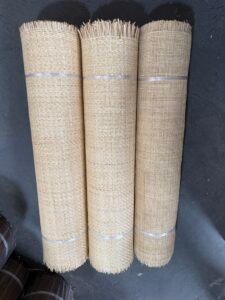
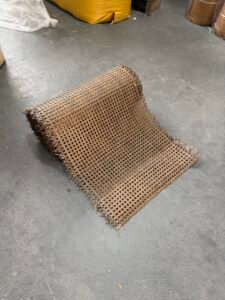
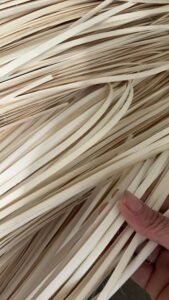
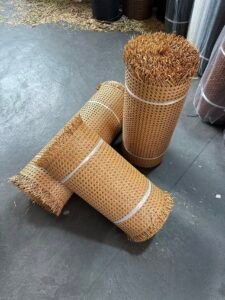
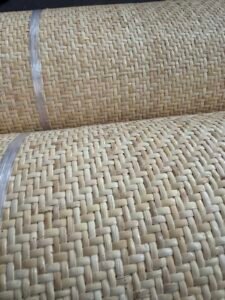
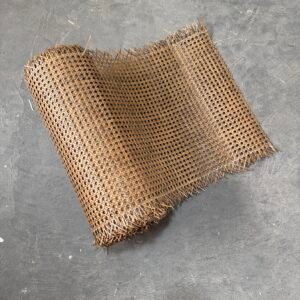
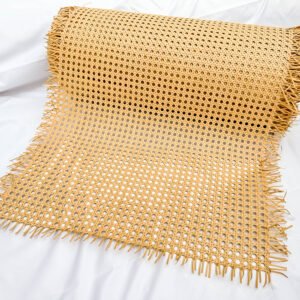
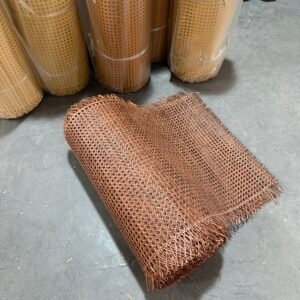
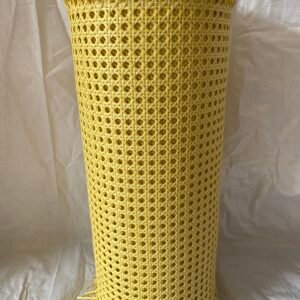
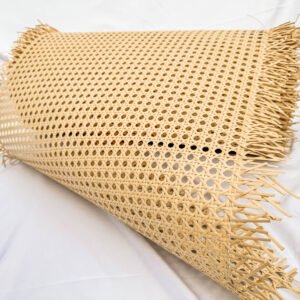
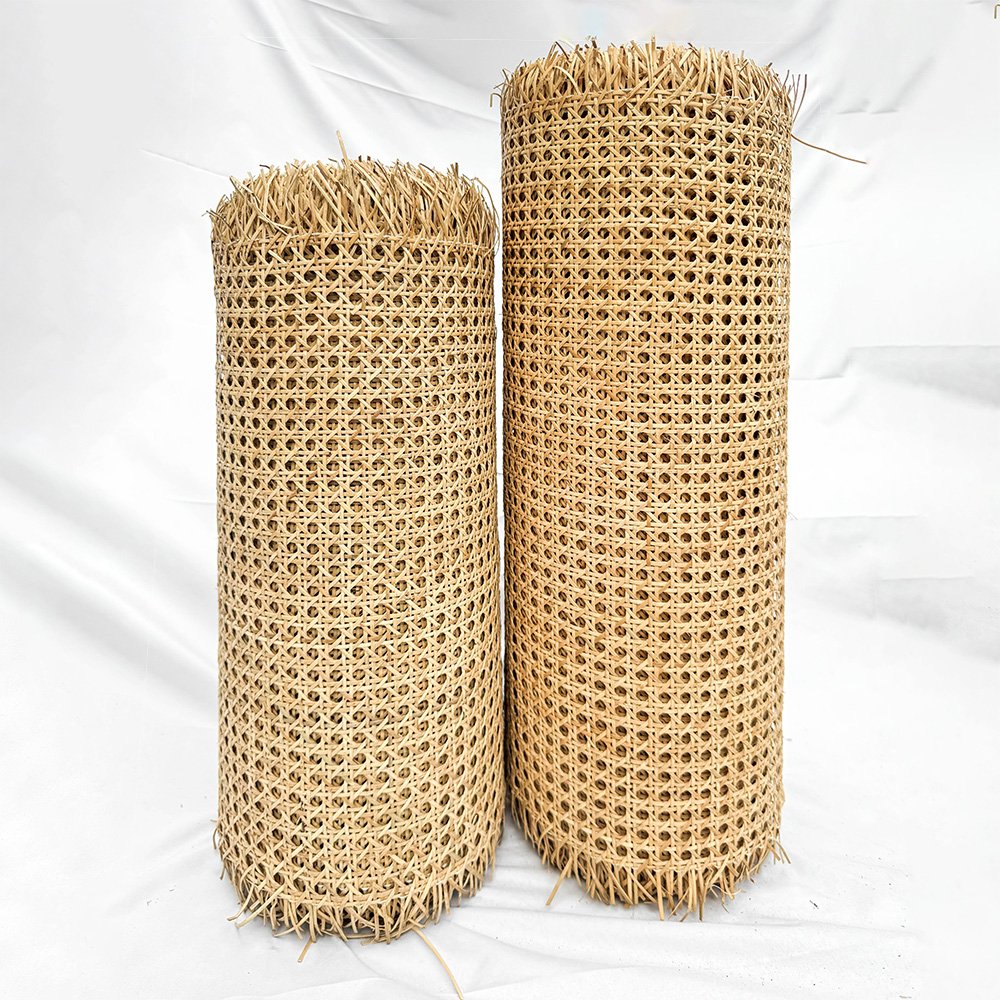
Artificial rattan, also known as synthetic rattan, is a man-made material designed to replicate the look and feel of natural rattan. It is typically made from high-density polyethylene (HDPE) or other eco-friendly polymers, offering a sustainable alternative to traditional rattan, which is harvested from tropical palms. The use of artificial rattan reduces the pressure on natural rattan resources and helps preserve delicate ecosystems.
HeXing Rattan Weaving: Pioneers in Artificial Rattan Manufacturing
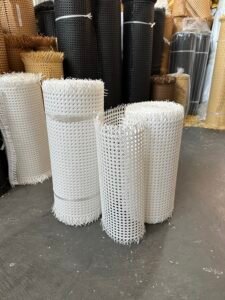
HeXing Rattan Weaving has established itself as a leader in the artificial rattan industry. With years of experience and a commitment to innovation, the company produces a wide range of rattan weaving materials that are not only stylish but also environmentally responsible. Their products are widely used in outdoor and indoor furniture, decorations, and architectural applications, catering to a global market that values sustainability and quality.

The Environmental Impact of Artificial Rattan
One of the most significant advantages of artificial rattan is its positive impact on the environment. Unlike natural rattan, which requires harvesting from slow-growing plants, artificial rattan is produced using recyclable materials and energy-efficient processes. This approach minimizes deforestation and habitat destruction, contributing to the conservation of biodiversity.
- Reduces reliance on natural resources
- Promotes recycling and circular economy principles
- Decreases waste and landfill contributions
- Supports eco-friendly manufacturing practices
Durability and Longevity
Artificial rattan is renowned for its durability and resistance to the elements. Unlike natural rattan, which can degrade over time when exposed to moisture, sunlight, and temperature fluctuations, artificial rattan maintains its appearance and structural integrity for years. This longevity reduces the need for frequent replacements, further supporting sustainable consumption patterns.
Key Benefits of Artificial Rattan for Sustainable Living
| Benefit | Description |
|---|---|
| Eco-Friendly Production | Uses recyclable materials and reduces environmental impact. |
| Weather Resistance | Withstands rain, UV rays, and temperature changes without degrading. |
| Low Maintenance | Easy to clean and maintain, reducing the use of harsh chemicals. |
| Versatility | Suitable for various applications, including furniture, décor, and architecture. |
| Cost-Effective | Long lifespan and minimal maintenance lower overall costs. |
Industry Trends: Artificial Rattan in Modern Design
The furniture and design industries have widely embraced artificial rattan due to its adaptability and eco-friendly properties. Leading designers and manufacturers now incorporate synthetic rattan in both residential and commercial projects, ranging from luxury resorts to urban apartments. The material’s ability to mimic the natural aesthetic of traditional rattan while offering superior performance makes it a preferred choice for sustainable design.
Case Study: HeXing Rattan Weaving’s Global Reach
HeXing Rattan Weaving has supplied artificial rattan materials to major furniture brands and architectural firms worldwide. Their innovative products have been featured in high-profile projects, including eco-resorts and green-certified buildings. By collaborating with designers and industry leaders, HeXing Rattan Weaving continues to promote sustainable practices and raise awareness about the benefits of artificial rattan.
Artificial Rattan vs. Natural Rattan: A Comparative Analysis
When comparing artificial rattan to its natural counterpart, several advantages become apparent. While natural rattan possesses a unique charm, it is susceptible to mold, insect damage, and environmental degradation. Artificial rattan, on the other hand, offers enhanced durability and requires less maintenance, making it a more sustainable choice for long-term use.
- Maintenance: Artificial rattan is easy to clean and does not require special treatments.
- Weather Resistance: Synthetic rattan withstands harsh weather conditions, ensuring longevity.
- Customization: Manufacturers like HeXing Rattan Weaving can produce artificial rattan in various colors and patterns to suit different design preferences.
- Environmental Impact: Artificial rattan production is less invasive and supports environmental conservation efforts.
Keyword Integration: Outdoor Furniture and Eco-Friendly Materials
One of the primary applications of artificial rattan is in outdoor furniture. The material’s resilience to weather and UV exposure makes it ideal for garden sets, patio chairs, and poolside loungers. Consumers seeking eco-friendly materials increasingly turn to artificial rattan for its sustainable attributes and stylish appearance. By choosing products made from artificial rattan, individuals contribute to a greener planet while enjoying high-quality, attractive furnishings.
Innovation and Future Prospects in the Rattan Industry
The artificial rattan industry continues to evolve rapidly, driven by advances in material science and growing consumer demand for sustainable products. Companies like HeXing Rattan Weaving invest heavily in research and development to create new weaving techniques, improve material performance, and expand the range of eco-friendly polymers used in production.
Emerging Trends
- Integration of recycled plastics in artificial rattan manufacturing
- Development of biodegradable synthetic rattan materials
- Smart rattan furniture with embedded technology for modern living
- Collaboration with architects and designers to create sustainable public spaces
Challenges and Opportunities
Despite its many advantages, the artificial rattan industry faces challenges such as the need for greater public awareness, competition from other synthetic materials, and the ongoing quest for improved recyclability. However, these challenges present opportunities for innovation and growth. By focusing on education, quality assurance, and sustainable sourcing, companies like HeXing Rattan Weaving can continue to lead the industry toward a more sustainable future.
Conclusion: Choosing Artificial Rattan for a Greener Tomorrow
In summary, artificial rattan offers numerous benefits for sustainable living, from reducing environmental impact to providing durable, stylish solutions for modern homes and businesses. As a trusted leader in the field, China HeXing Rattan Weaving Materials Co., Ltd demonstrates how industry innovation and a commitment to sustainability can drive positive change. Whether for outdoor furniture, interior décor, or large-scale architectural projects, artificial rattan stands out as an eco-friendly material that supports a greener, more responsible lifestyle.
By embracing artificial rattan and supporting companies like HeXing Rattan Weaving, consumers and industry professionals alike can make meaningful contributions to environmental preservation and sustainable development. The future of sustainable living is bright, and artificial rattan is poised to play a significant role in shaping a healthier, more sustainable world.