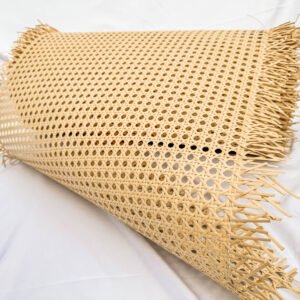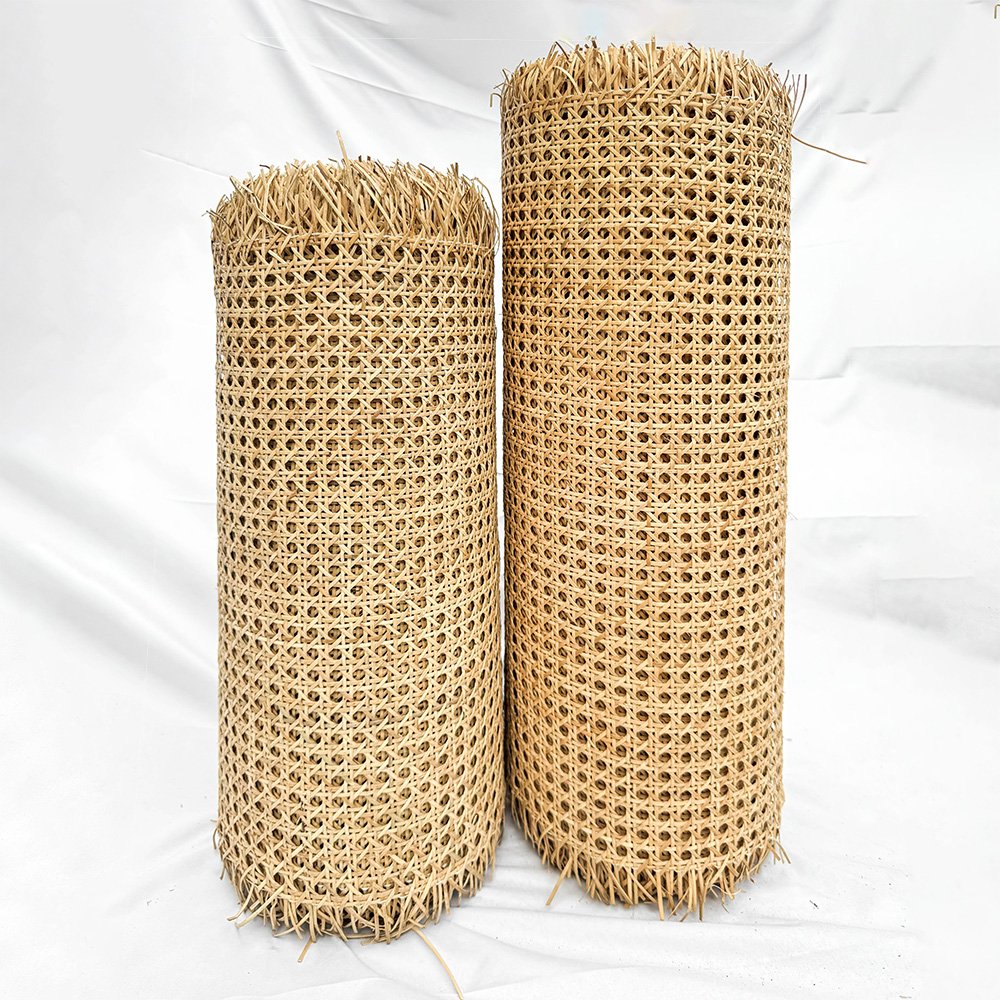
As we move through 2026, the global furniture industry is experiencing a “textural renaissance.” Modern consumers are moving away from the cold, flat surfaces of the early 2020s in favor of materials that offer depth, warmth, and a story. This has placed two titans of the industry at center stage: the time-honored natural rattan and the high-performance plastic rattan. While the former connects us to the ancient forests of Southeast Asia, the latter represents the pinnacle of modern polymer engineering. Choosing between them is no longer a simple matter of budget, but a reflection of how we perceive the “soul” of our homes versus the practical demands of a fast-paced, digital world.
The Imperfect Natural Rattan vs. Flawless Plastic Rattan
The fundamental difference between these two materials begins with the sensory experience they provide. Natural rattan is celebrated for its organic “imperfections”—the slight variations in grain, color, and texture that give a piece of furniture a unique, artisanal DNA. On the other hand, the latest generation of plastic rattan (often made from high-density polyethylene) offers a level of color consistency and structural uniformity that is impossible to achieve with organic fibers. While the warmth of natural rattan appeals to those seeking a biophilic connection to nature, the smooth, splinter-free finish of plastic rattan provides a sleek, contemporary aesthetic that requires zero compromises in comfort.
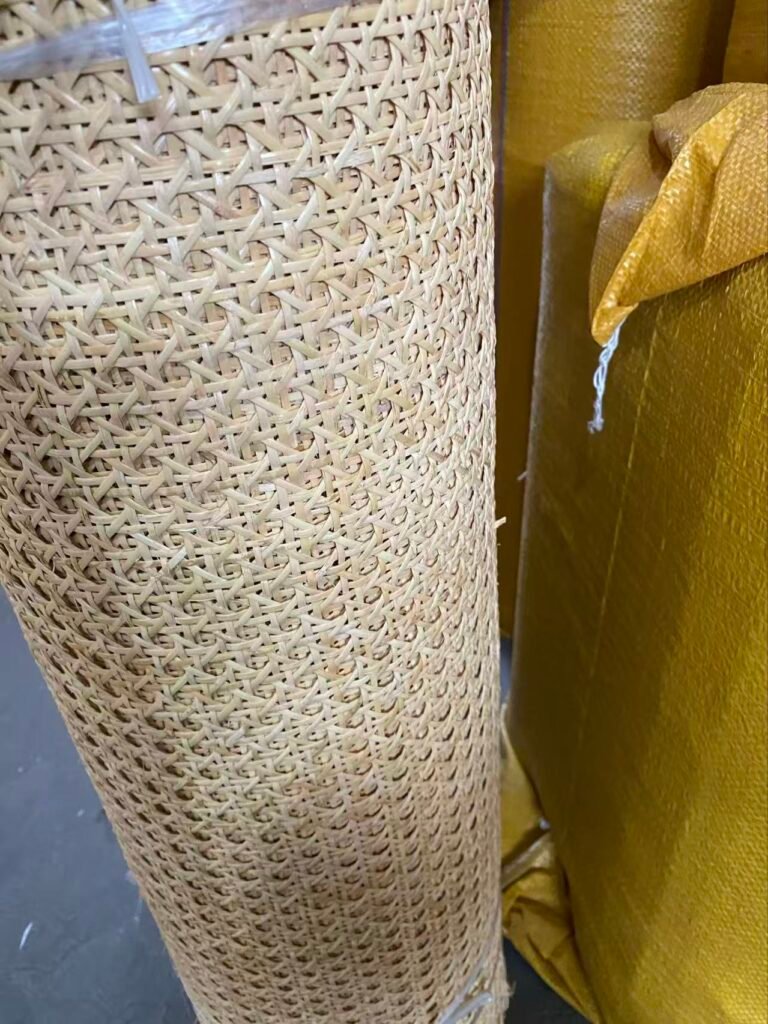
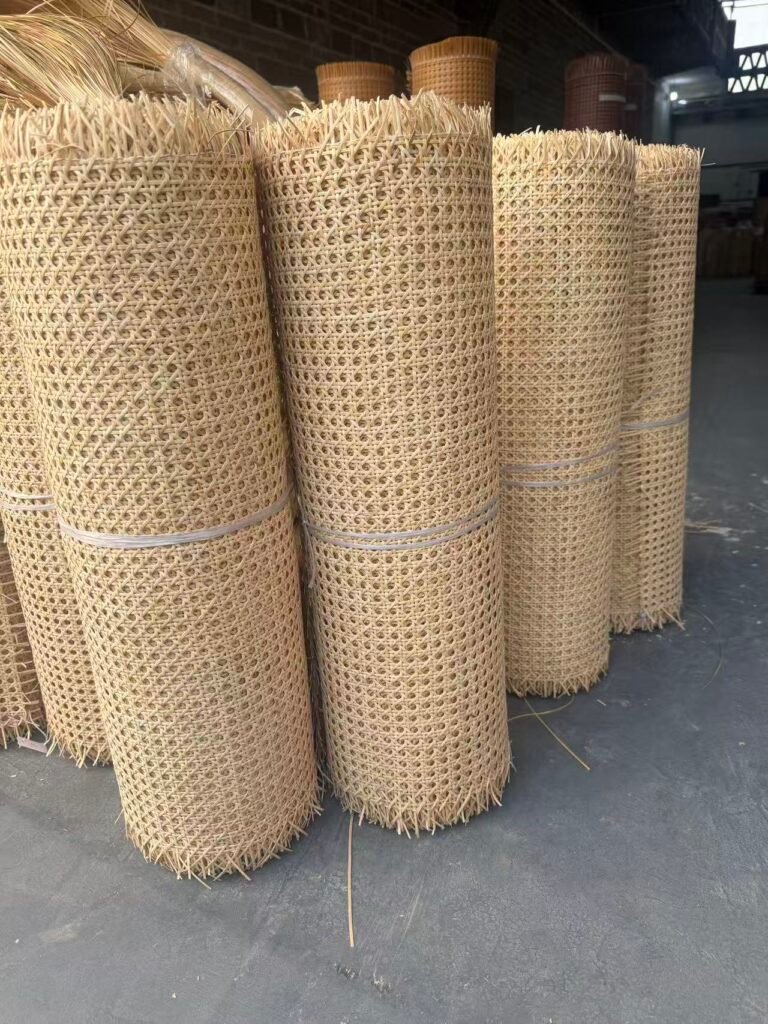
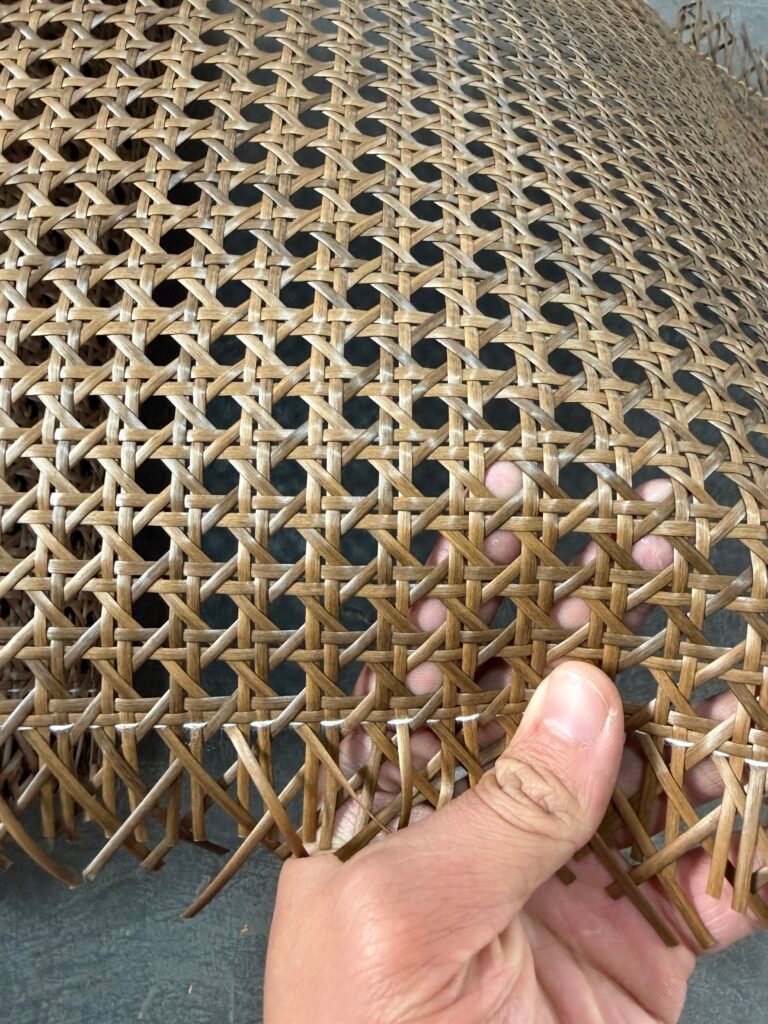
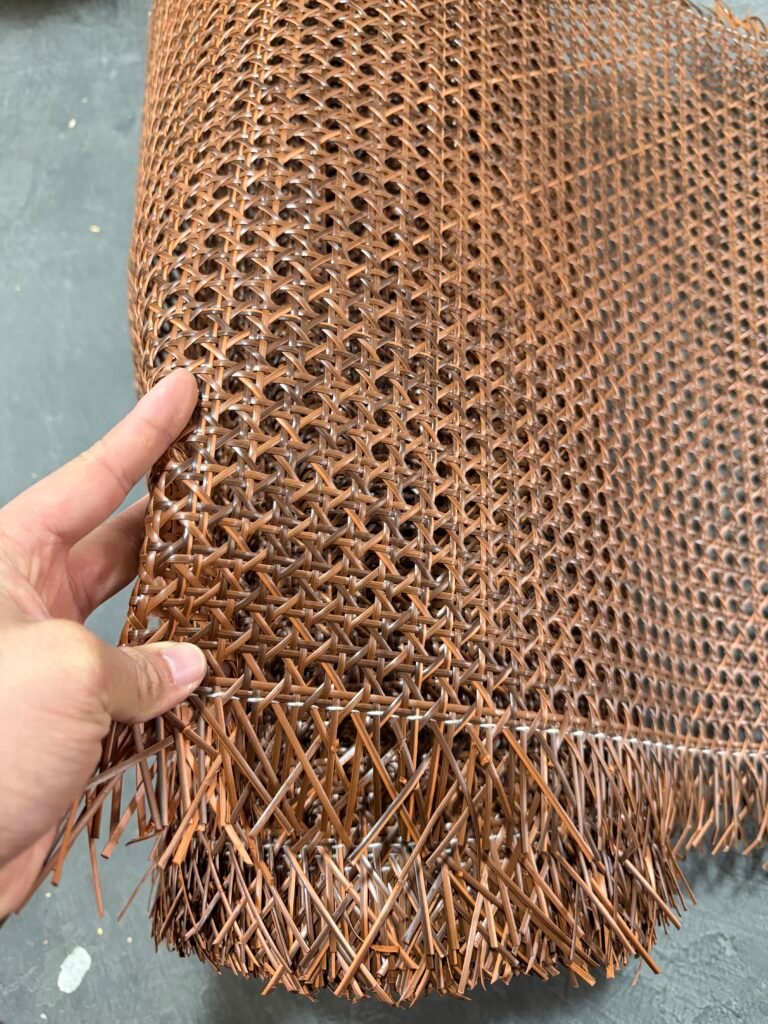
Natural Rattan’s Webbing Carbon Sink vs. Plastic Rattan’s Webbing Recycled Loop
In 2026, environmental ethics have become a primary driver in purchasing decisions, especially with the implementation of international “Green Passports” for furniture. Natural rattan holds a significant advantage as a carbon-sequestering, fast-growing plant that encourages the preservation of rainforests in developing nations. However, the synthetic sector has pivoted remarkably toward sustainability, with plastic rattan now frequently manufactured from 100% ocean-bound plastics or bio-resins. The debate for the conscious consumer is now a choice between the immediate biodegradability of natural rattan and the long-term, circular-economy potential of high-quality plastic rattan that can be recycled infinitely.
Sourced from a rapidly renewable palm, natural rattan is a biodegradable material with a inherently lower carbon footprint from production. It represents a choice rooted in traditional, earth-friendly crafting. Meanwhile, modern plastic rattan is increasingly made from recycled polymers and is fully recyclable at the end of its very long life. This circular approach offers a different kind of environmental appeal for the eco-conscious consumer.
The Dual Paths of Rattan: Natural Craftsmanship vs. Synthetic Innovation
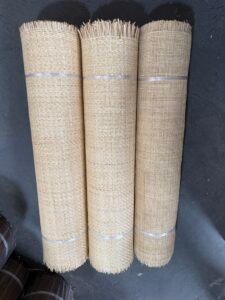
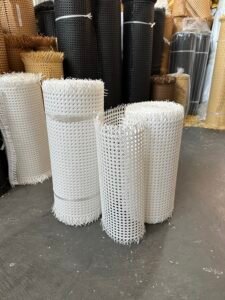
Natural Rattan Hexagonal Weave Roll White Color
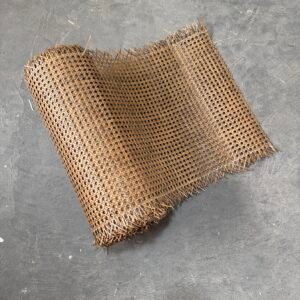
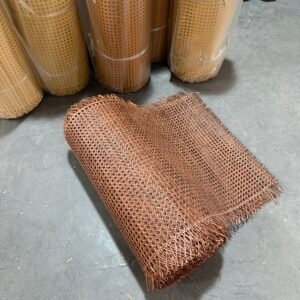
Plastic rattan wicker weaving walnut color
Sourcing Natural Rattan Webbing vs. Localized Plastic Rattan Webbing
The geopolitical landscape of 2026 has forced many manufacturers to rethink where their materials come from. Because natural rattan is harvested exclusively in tropical regions, its supply remains vulnerable to regional trade policies and the rising costs of maritime shipping. In contrast, plastic rattan can be “near-shored,” with manufacturing facilities located closer to major consumer hubs in Europe and North America, reducing the carbon footprint of logistics. While the prestige of natural rattan is tied to its exotic origin, the industrial scalability of plastic rattan provides a buffer against the price volatility that often affects raw agricultural commodities in the global market.
The Indoor Soul of Natural Rattan vs. All-Weather Plastic Rattan
Where you place your furniture is often the ultimate deciding factor in this material debate. Natural rattan is a “breathable” fiber that expands and contracts with humidity, making it the gold standard for indoor sanctuaries like master bedrooms or libraries where a sense of tranquility is paramount. However, for the booming “outdoor living” sector, plastic rattan is the undisputed champion due to its total resistance to UV radiation, rain, and the extreme temperature fluctuations that would cause organic vines to rot or crack. Essentially, natural rattan provides the emotional heart for your interior spaces, while plastic rattan ensures that your garden or balcony remains aesthetically consistent year-round without the need for constant maintenance.
Compared to plastic rattan, natural rattan is more delicate and requires extra care to stay in good condition. It is sensitive to moisture, direct sunlight, and pests, so it thrives best indoors or in covered outdoor areas. To keep it looking its best, regular dusting, protection from water damage, and occasional oil treatments are needed to prevent drying and cracking. Plastic rattan, however, is built for durability and low maintenance. Water-resistant, UV-resistant, and pest-resistant, it is ideal for outdoor use or high-traffic spaces. Cleaning it is simple: just a quick wipe with a damp cloth, no extra treatments required.
Future Innovation: Nano-Enhanced Natural Rattan and AI-Designed Plastic Rattan
Looking toward the end of the decade, technology is beginning to merge the strengths of both categories. We are seeing the rise of invisible nano-coatings that can be applied to natural rattan, giving it the moisture-repellent “superpowers” usually associated with synthetics. Simultaneously, AI-driven manufacturing is allowing plastic rattan to mimic the heat-retention properties and variegated textures of real vines so accurately that the tactile gap is nearly closed. As innovation continues, the “soul” of natural rattan is becoming more durable, while the “utility” of plastic rattan is becoming more human, leading to a future where the two are used in tandem within the same furniture collections.
Conclusion: The Verdict for 2026
Ultimately, the choice between natural rattan and plastic rattan is not about which is “better” in a vacuum, but which is better for your lifestyle. If you value a heritage material that ages with grace and connects you to a specific artisanal tradition, natural rattan is an investment in authenticity. However, if your priority is a “buy-it-once” durability that survives children, pets, and the elements, plastic rattan is the triumph of modern convenience. By understanding that natural rattan feeds our need for history while plastic rattan satisfies our need for performance, we can build homes that are as resilient as they are beautiful.