As we navigate the design landscape of 2026, the global furniture industry is experiencing a profound “textural renaissance.” Modern consumers are no longer satisfied with flat, sterile surfaces; they crave the depth and warmth provided by woven materials. This has sparked a renewed debate among designers: how do we balance the heritage of natural rattan with the industrial prowess of plastic rattan? In an era defined by a heightened focus on environmental ethics and personal lifestyle needs, the choice between these two materials is no longer just about looks—it is a strategic decision that reflects your values and your vision for your home.
The Organic Charm of Natural Rattan vs. Plastic Rattan Precision
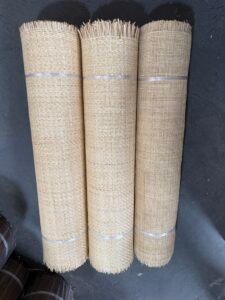
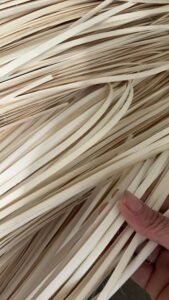
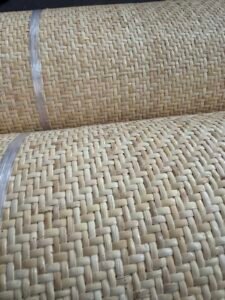
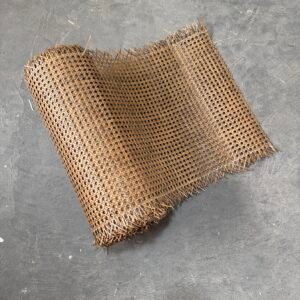
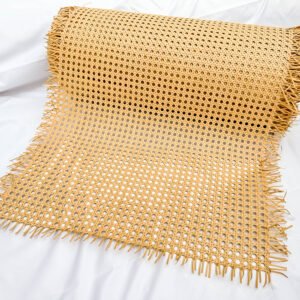
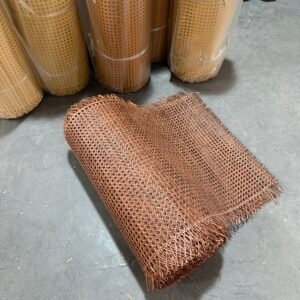
The fundamental difference between these two mediums begins with their visual and tactile origin. Natural rattan is harvested from the sturdy, flexible climbing palms of Southeast Asian rainforests, offering a unique “fingerprint” of grain and color that appeals to the luxury, artisanal market. In contrast, high-quality plastic rattan—typically made from high-density polyethylene (HDPE)—is a triumph of chemical engineering, providing a level of uniformity and color consistency that biological fibers cannot match. While the irregular beauty of the organic vine creates an emotional connection to the earth, the flawless finish of synthetic strands allows for a sleek, contemporary aesthetic that fits perfectly into minimalist urban settings.
Aesthetic and Sensory Appeal
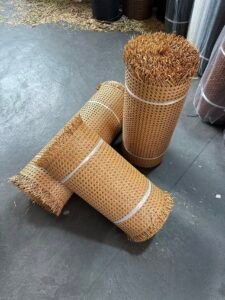
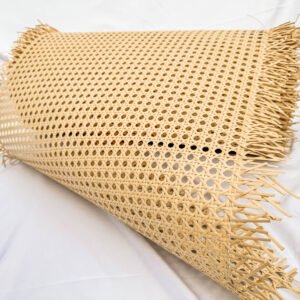
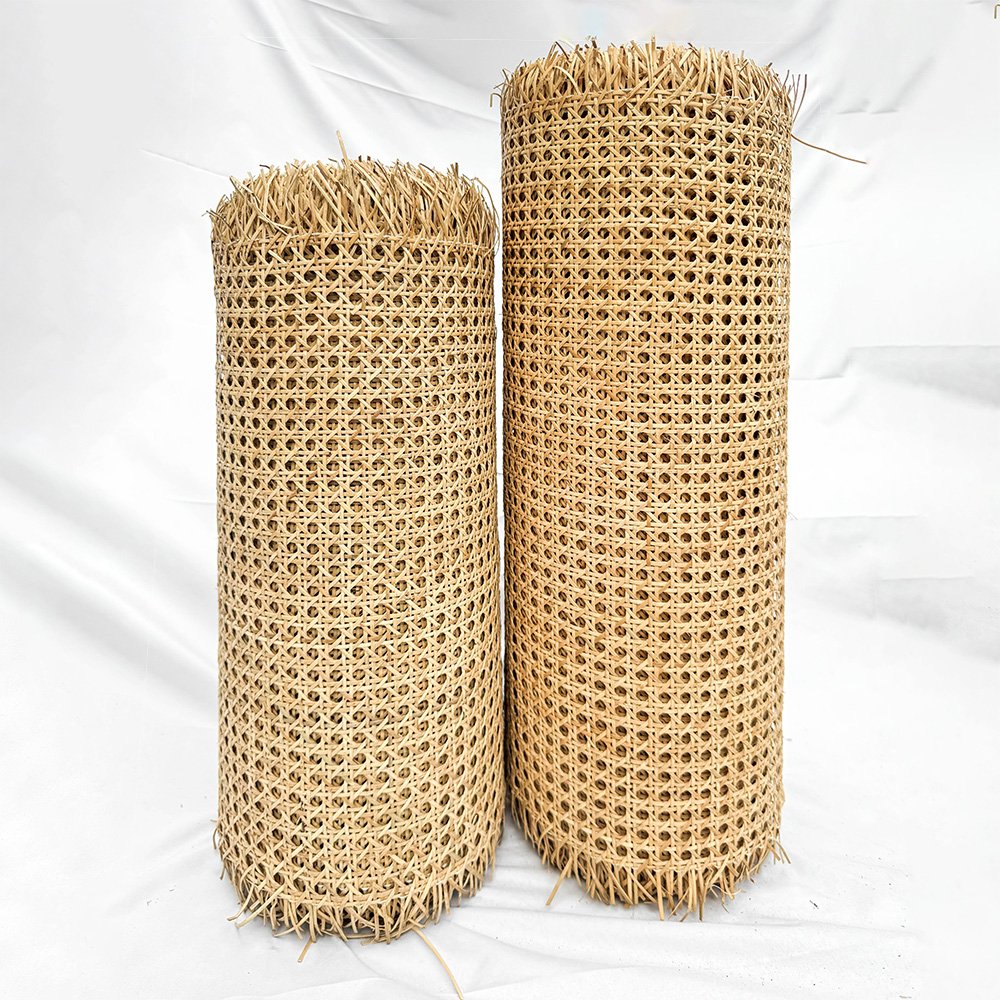
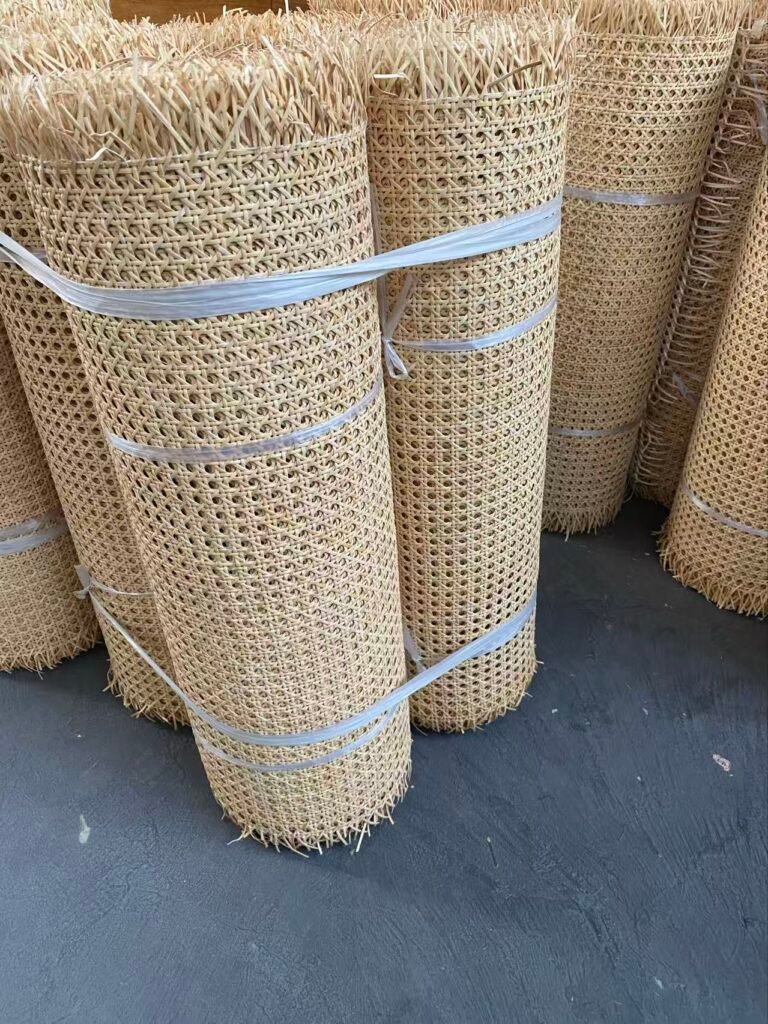
The look and feel are immediately different. Natural rattan offers a warm, organic texture with unique variations in grain and color. It brings authentic, bohemian warmth and tactile richness to a room. Plastic rattan provides a more uniform and consistent appearance. Modern manufacturing allows for a wide range of colors and sleek weaves, achieving a neat, contemporary style that can mimic the natural look at a glance.
Durability and Weather Resistance
Performance under the elements varies greatly. Plastic rattan excels in all-weather endurance. It is inherently waterproof, UV-resistant, and impervious to rot, making it ideal for permanent outdoor setups. Natural rattan, while robust, is more vulnerable. It requires protection from constant rain and direct sun, which can cause fading, brittleness, and mold, limiting its best use to covered or indoor areas.
Indoor Natural Rattan vs. All-Weather Plastic Rattan
Where you place your furniture is often the ultimate deciding factor in this material debate. Natural rattan is a “breathable” organic fiber that expands and contracts with humidity, making it the gold standard for indoor sanctuaries like master bedrooms or libraries where a sense of tranquility is paramount. However, for the booming “outdoor living” sector, plastic rattan is the undisputed champion due to its total resistance to UV radiation, rain, and the extreme temperature fluctuations that would cause organic vines to rot or crack. Essentially, the organic weave provides the emotional heart for your interior spaces, while the synthetic weave ensures that your garden or balcony remains aesthetically consistent year-round regardless of the weather.
The Care of Natural Rattan vs. Plastic Rattan Utility
Maintenance requirements often dictate the long-term satisfaction a piece of furniture provides to its owner. Natural rattan requires a gentle touch; it must be dusted regularly and occasionally treated with specific oils to prevent the fibers from becoming brittle in dry air. On the other hand, the primary appeal of plastic rattan lies in its “set it and forget it” nature, as it can be cleaned with a simple garden hose and mild soap without risk of structural damage. For high-traffic households with pets or young children, the rugged resilience of the synthetic version often outweighs the delicate, artisanal requirements of its organic counterpart, making it a more practical daily companion.
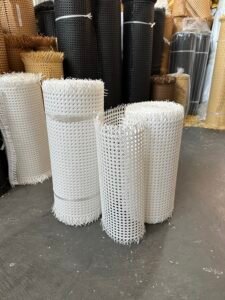
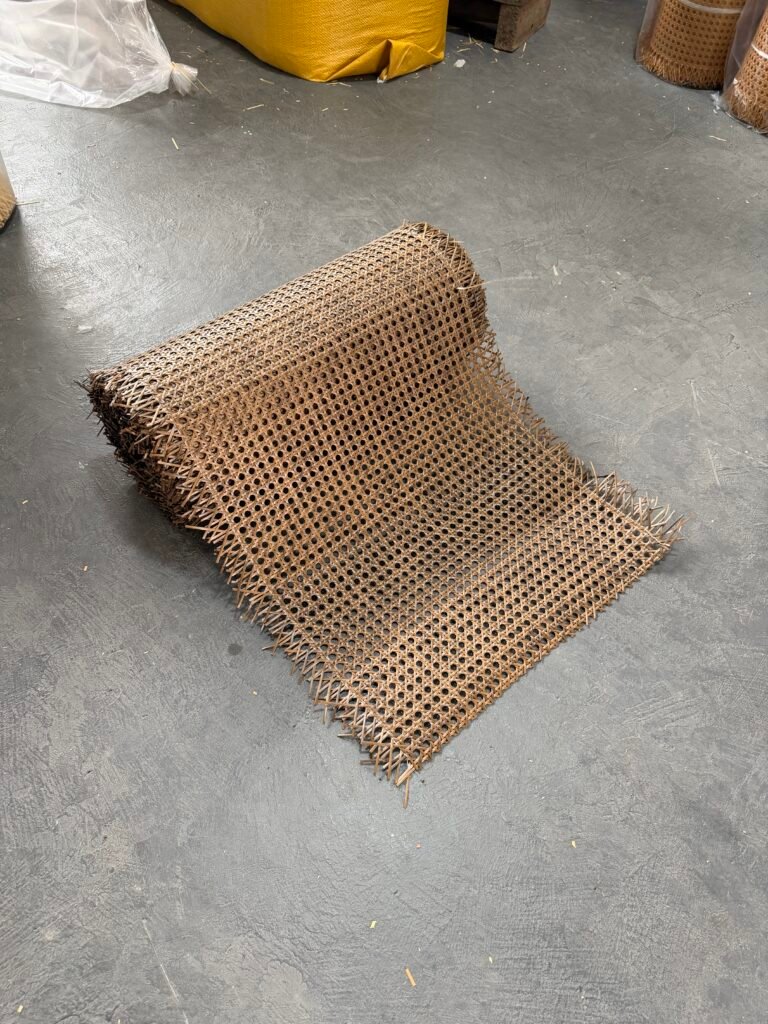
Natural Rattan Sheet Hexagonal Hole White Color
Sourcing Natural Rattan and Plastic Rattan in 2026
The international trade landscape of 2026 is characterized by supply chain diversification and a move toward localized production. Natural rattan remains largely dependent on specific tropical climates and local harvesting regulations in Southeast Asia, which can lead to price volatility based on regional weather patterns or maritime shipping delays. In contrast, plastic rattan can be produced in advanced manufacturing hubs globally, reducing the “miles-per-product” and insulating consumers from the geopolitical risks associated with raw material exports. While the prestige of the organic vine is tied to its exotic origin, the industrial scalability of the synthetic fiber ensures that global retailers can offer stable pricing even during periods of global logistics instability.
Hybrid Designs of Natural Rattan and Plastic Rattan
Looking toward the end of the decade, technology is blurring the lines between these two categories in surprising ways. We are seeing the rise of invisible nano-coatings that protect natural rattan from moisture, effectively giving it the “superpowers” of synthetic materials without losing its organic feel. Simultaneously, advanced 3D-extrusion techniques have allowed plastic rattan to mimic the variegated tones and “hairy” textures of real vines so accurately that it can fool the naked eye. As innovation continues, the industry is moving toward a future where the two materials are used in tandem—one for its soul and the other for its strength—to create furniture that is both emotionally resonant and physically indestructible.
Conclusion: Making the Right Choice for Your Space
Ultimately, the question of which material is “better” depends entirely on your specific environment and personal values. If you seek a heritage material that ages with grace and connects you to a specific artisanal tradition, natural rattan is an investment in authenticity for your protected indoor spaces. However, if your priority is a “buy-it-once” durability that survives the elements and a busy lifestyle, plastic rattan is the triumph of modern convenience. By understanding that the organic vine feeds our need for history while the synthetic strand satisfies our need for performance, you can curate a home that is as resilient as it is beautiful.