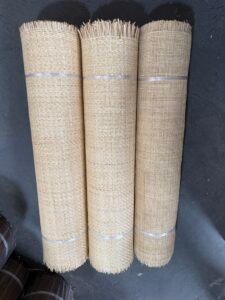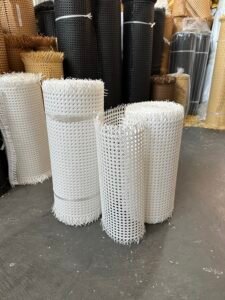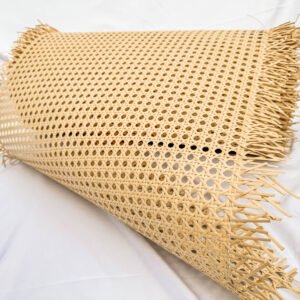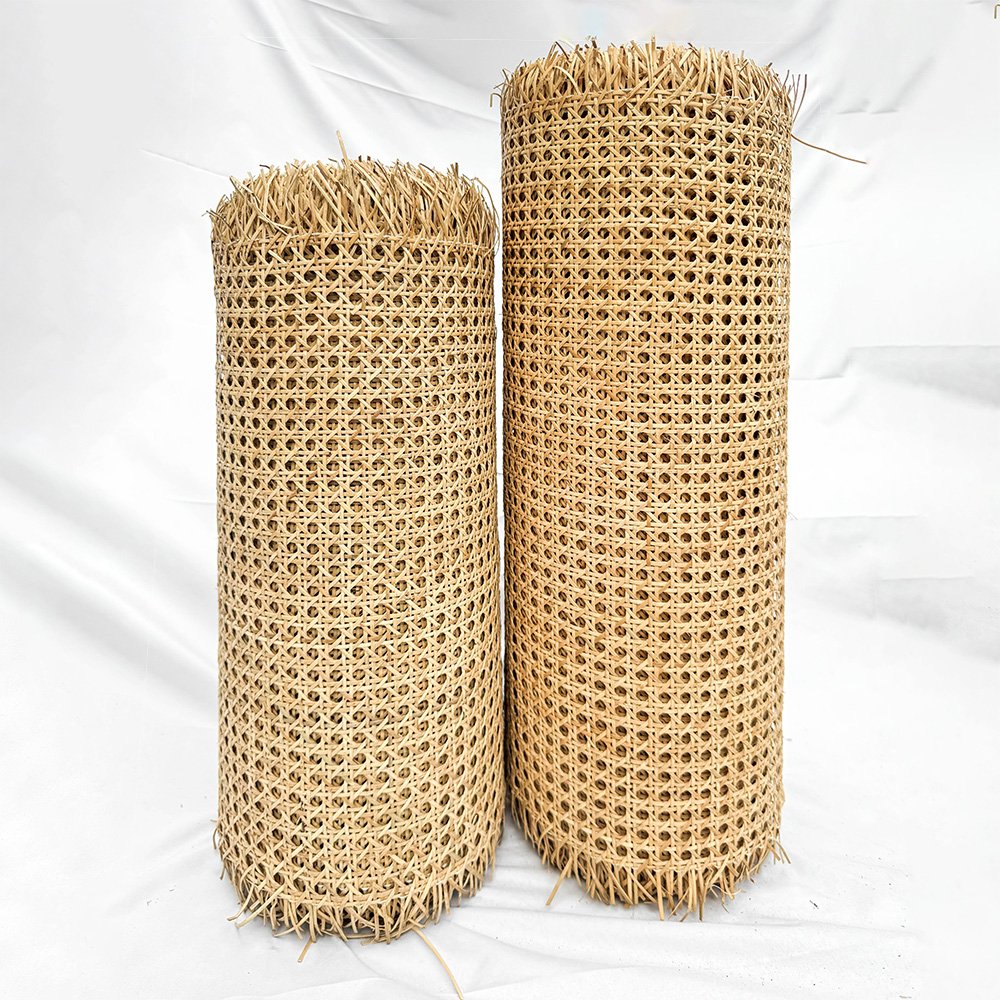
When comparing natural rattan and plastic rattan, the first step is understanding what makes each material unique. Natural rattan comes from climbing palm plants that grow in tropical regions, offering an authentic texture and organic appearance. Plastic rattan, on the other hand, uses synthetic fibers engineered to replicate the look of natural weaving while improving resistance to outdoor conditions.
Although natural rattan and plastic rattan may appear similar at first glance, they serve different purposes. Natural materials emphasize craftsmanship and character, while synthetic alternatives focus on practicality and consistency. Recognizing this distinction helps buyers narrow their options before evaluating performance and design requirements.
Which One Creates Better Visual Appeal?
Appearance often influences purchasing decisions more than any technical specification. Natural rattan introduces warmth, depth, and subtle imperfections that make every piece feel distinctive. Designers frequently use natural rattan to create inviting interiors that reflect a connection with nature.
Plastic rattan delivers a different advantage. Manufacturers can produce uniform colors, textures, and weaving patterns, allowing projects to maintain a consistent visual identity across large furniture collections. While natural rattan brings individuality, plastic rattan supports modern designs that prioritize clean lines and predictable aesthetics.
The choice ultimately depends on the atmosphere you want to create. Natural rattan complements relaxed and organic environments, whereas plastic rattan aligns well with contemporary commercial spaces.
Evaluating Durability and Performance
Durability becomes critical when furniture faces daily use. Natural rattan performs exceptionally well indoors, where stable temperatures and controlled humidity help preserve its structure. With proper care, natural rattan furniture can remain attractive for many years.
Plastic rattan excels in more demanding environments. Exposure to sunlight, rain, and changing weather conditions has less impact on synthetic fibers. Because of this resilience, plastic rattan frequently appears in outdoor dining areas, poolside lounges, and hospitality projects.
When comparing natural rattan and plastic rattan from a performance perspective, indoor applications often favor the natural option, while outdoor installations typically benefit from synthetic construction.
Considering Maintenance Requirements
Maintenance affects ownership costs over time. Natural rattan requires regular attention to maintain its appearance. Dust removal, humidity control, and occasional conditioning help preserve the material’s beauty and structural integrity.
Plastic rattan simplifies maintenance considerably. Most surfaces only require basic cleaning with water and mild soap. This convenience makes plastic rattan particularly attractive for restaurants, resorts, and homeowners who prefer minimal upkeep.
For buyers seeking traditional charm, natural rattan remains highly appealing. For those prioritizing convenience, plastic rattan often presents the more efficient solution.
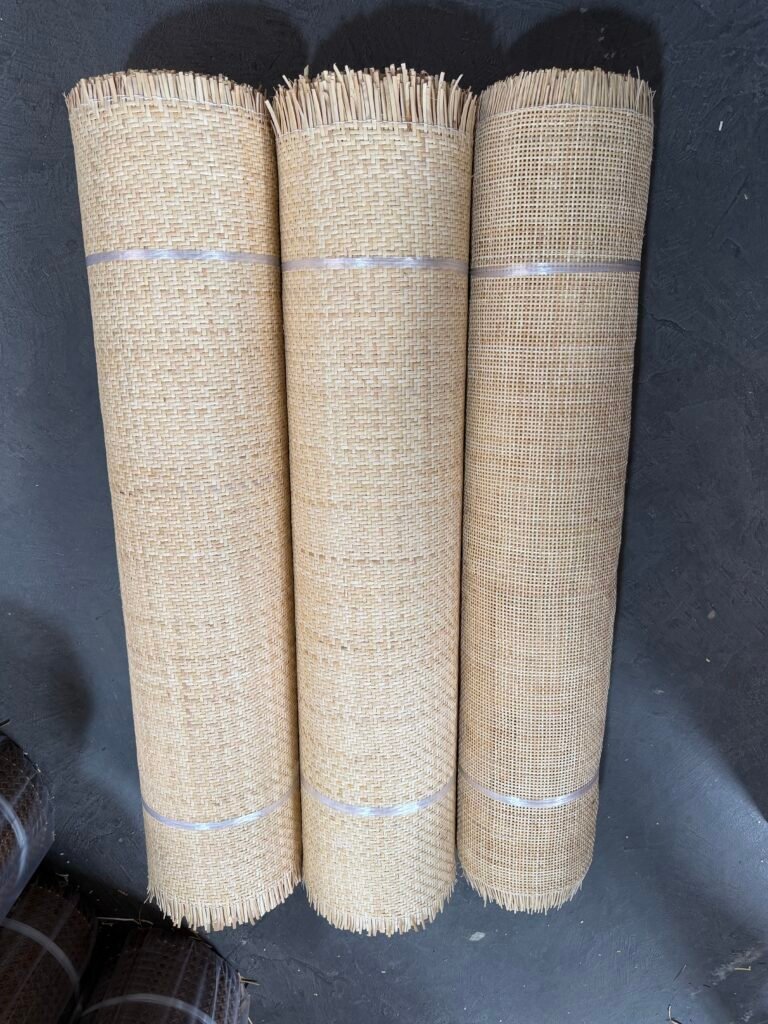
Natural Rattan Sheet Hexagonal Hole White Color
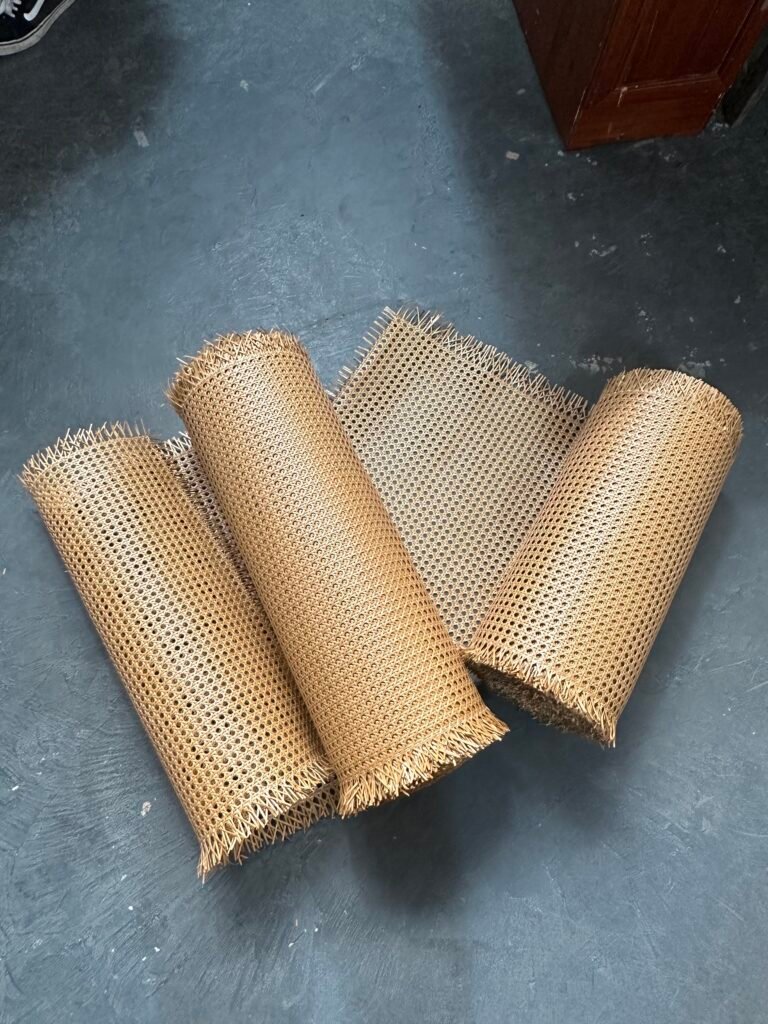
Eco friendly plastic rattan webbing wood color
https://www.furnituremaxi.com/blogs/news/rattan-
Comparing Sustainability and Environmental Impact
Environmental considerations continue to shape consumer preferences. Natural rattan comes from renewable resources and supports traditional weaving industries across many regions. Its natural origin appeals to customers who value environmentally conscious materials and artisanal production methods.
Plastic rattan approaches sustainability from a different angle. Modern manufacturers increasingly incorporate recyclable materials and develop products designed for extended service life. Longer durability can reduce replacement frequency, helping minimize waste in commercial applications.
Both natural rattan and plastic rattan contribute unique environmental advantages, making sustainability assessments dependent on sourcing practices, product quality, and expected lifespan.
Choosing the Best Option for Your Needs
The debate between natural rattan and plastic rattan does not produce a universal winner because each material solves different challenges. Natural rattan stands out through authenticity, craftsmanship, and timeless beauty. Plastic rattan distinguishes itself through weather resistance, low maintenance, and dependable long-term performance.
If your project focuses on creating elegant indoor spaces with natural character, natural rattan offers undeniable appeal. If you need furniture capable of handling outdoor exposure and intensive daily use, plastic rattan provides a practical advantage.
Understanding the strengths of both materials allows homeowners, designers, wholesalers, and project developers to make confident decisions that balance aesthetics, functionality, and long-term value.