In today’s furniture and interior market, both natural rattan and plastic rattan attract designers, wholesalers, and homeowners. Each material brings a different value to indoor and outdoor spaces. While natural textures create warmth and authenticity, synthetic alternatives offer durability and convenience. Choosing between natural rattan and plastic rattan depends on style preference, maintenance expectations, climate conditions, and long-term use.
Natural Rattan Creates Timeless Texture While Plastic Rattan Delivers Modern Practicality
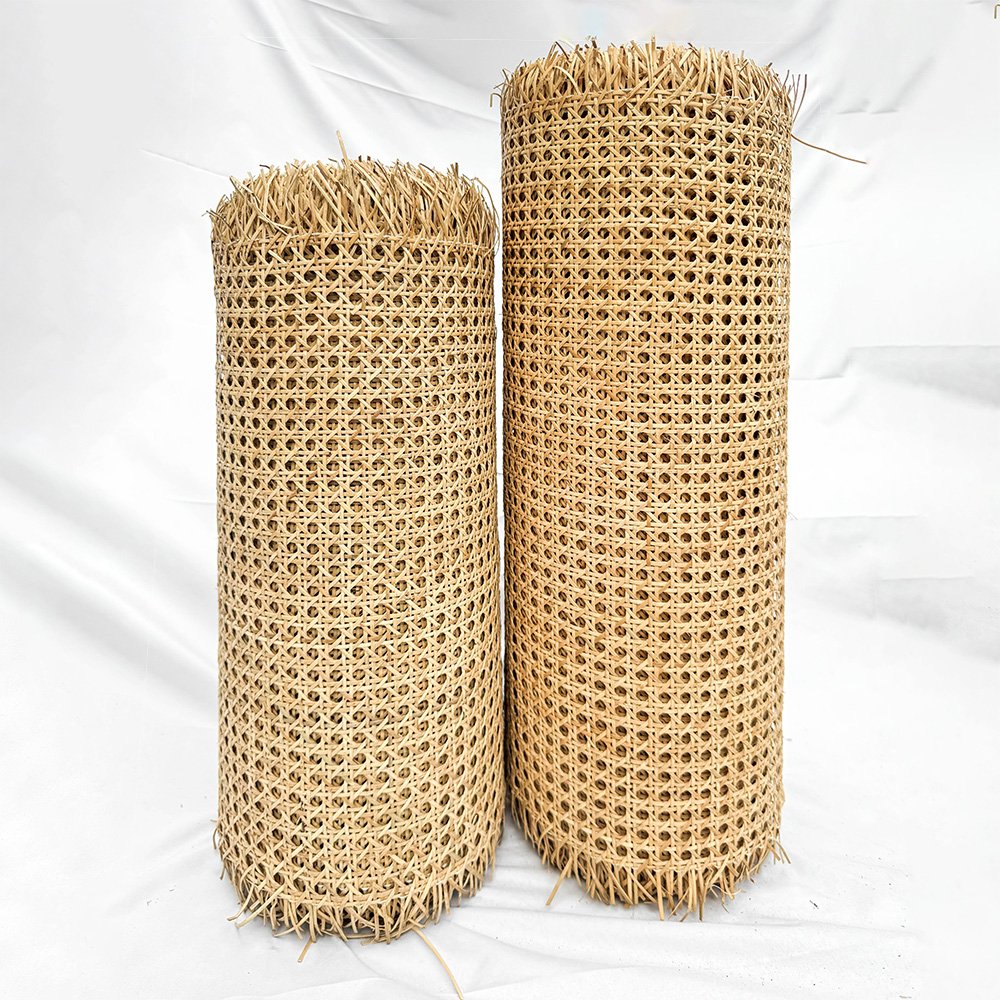
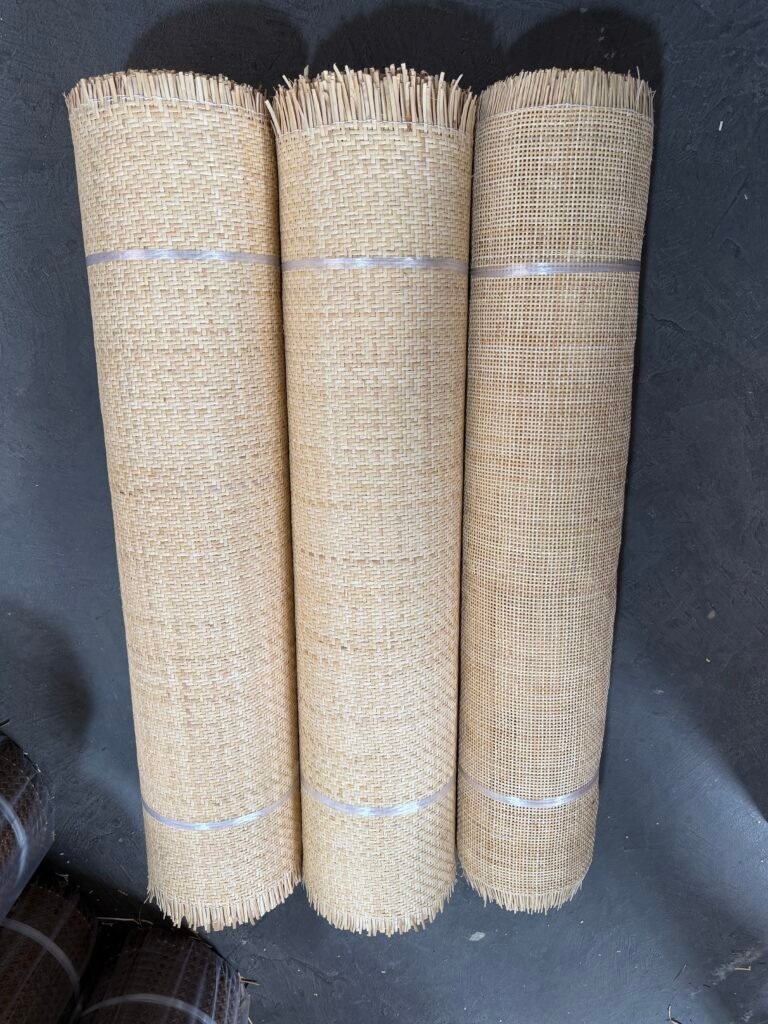
One of the biggest differences between natural rattan and plastic rattan lies in appearance and atmosphere. Natural rattan carries organic grain patterns and subtle color variation, giving furniture a handcrafted and elegant feeling. Many luxury cafés, resorts, and boutique hotels favor natural rattan because it adds warmth without overwhelming the space.
Plastic rattan focuses more on consistency and flexibility. Manufacturers can produce uniform colors, precise weaving patterns, and weather-resistant finishes. This makes plastic rattan popular for outdoor lounges, patio furniture, and commercial environments where furniture faces heavy daily use.
For interior decoration, natural rattan often creates a softer visual effect. Plastic rattan, however, fits contemporary spaces that require cleaner lines and easier upkeep.
Natural Rattan Offers Authentic Craftsmanship While Plastic Rattan Improves Weather Resistance
Durability plays a major role when comparing natural rattan and plastic rattan. Natural rattan performs well indoors, especially in dry and stable environments. Skilled weaving techniques allow artisans to create lightweight yet durable furniture that lasts for years with proper care.
Plastic rattan performs better in challenging weather conditions. Rain, sunlight, and humidity have less impact on synthetic materials, making plastic rattan a reliable option for gardens, balconies, swimming pools, and coastal projects. Unlike natural rattan, plastic rattan resists cracking, fading, and moisture damage more effectively.
This difference often influences purchasing decisions. Buyers looking for decorative indoor furniture usually appreciate the character of natural rattan, while commercial buyers frequently choose plastic rattan for its long-term outdoor performance.
Natural Rattan Enhances Sustainability While Plastic Rattan Supports Low Maintenance
Sustainability has become an important factor in furniture selection. Natural rattan comes from renewable plant resources and supports traditional craftsmanship industries in many regions. Because natural rattan grows relatively fast compared with hardwood, it remains an environmentally conscious material for eco-focused brands.
Plastic rattan approaches sustainability differently. High-quality synthetic rattan reduces maintenance requirements and extends product lifespan, lowering replacement frequency in commercial settings. Many manufacturers now also use recyclable materials during production, helping plastic rattan become more environmentally responsible than earlier generations.
Maintenance expectations further separate these materials. Natural rattan benefits from gentle cleaning and controlled humidity, while plastic rattan only requires simple washing. For busy hospitality projects, plastic rattan often provides a more practical solution.
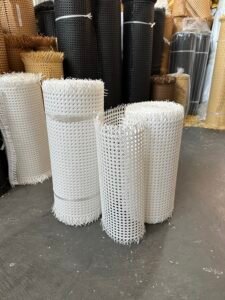
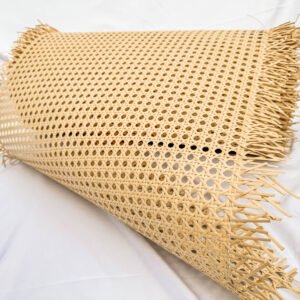
Natural Rattan Sheet Hexagonal Hole White Color
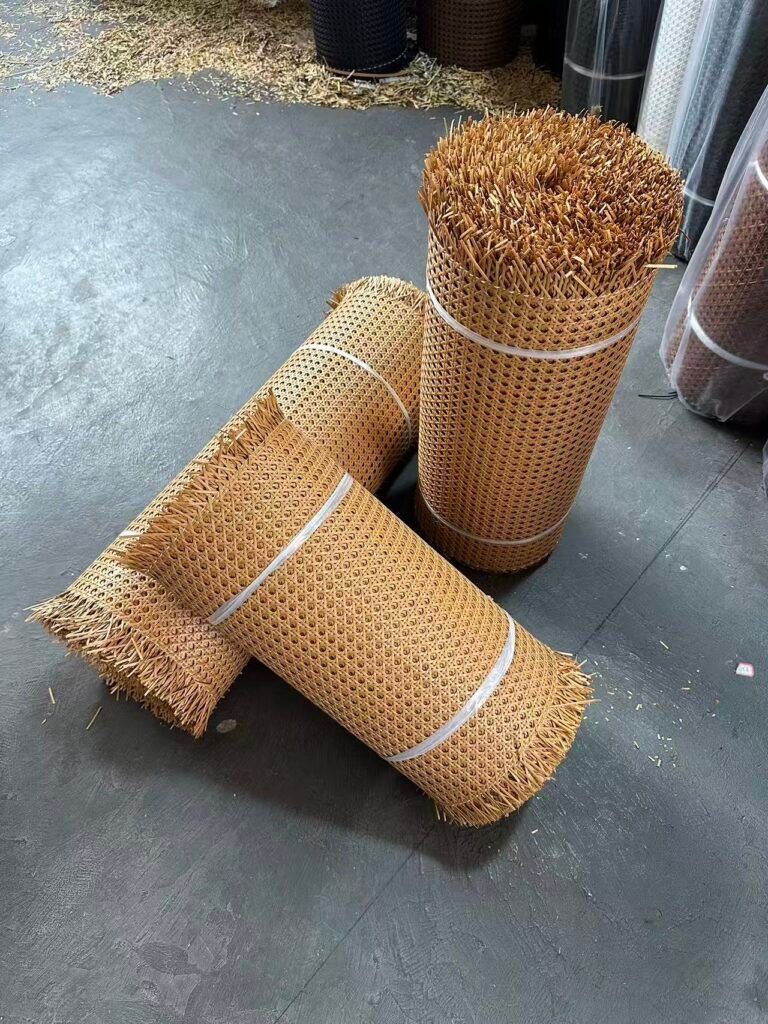
Eco friendly plastic rattan webbing wood color
https://www.furnituremaxi.com/blogs/news/rattan-
Natural Rattan Brings Indoor Elegance While Plastic Rattan Dominates Outdoor Spaces
Application scenarios clearly highlight the strengths of both natural rattan and plastic rattan. Natural rattan frequently appears in living rooms, reading corners, cafés, and boutique interiors where comfort and aesthetics matter most. Its natural texture blends beautifully with wood, linen, and neutral color palettes.
Plastic rattan dominates outdoor environments because of its structural stability and resistance to environmental stress. Restaurants, hotels, and resorts often install plastic rattan furniture around pools or terraces where exposure to sunlight and moisture remains unavoidable.
Design trends also continue evolving. Many modern brands combine natural rattan aesthetics with the functional advantages of plastic rattan, creating products that balance beauty with practicality.
Natural Rattan and Plastic Rattan Reflect Different Lifestyle Priorities
The debate between natural rattan and plastic rattan does not end with identifying a single superior material. Instead, each option serves different lifestyle and business needs. Natural rattan emphasizes craftsmanship, organic beauty, and timeless interior appeal. Plastic rattan prioritizes durability, efficiency, and easy maintenance for high-use environments.
For indoor elegance and authentic texture, natural rattan remains a strong choice. For outdoor reliability and commercial practicality, plastic rattan continues to lead the market. Understanding these distinctions allows buyers, designers, and furniture brands to select the material that aligns best with their project goals.