When selecting woven furniture or decorative panels, many buyers compare natural rattan and plastic rattan without fully understanding what sets them apart. Although both materials create a similar woven appearance, they originate from completely different sources. Natural rattan comes from climbing palm species found in tropical regions, while plastic rattan relies on synthetic materials designed to mimic the look of natural fibers. This fundamental difference influences everything from aesthetics to performance, making it the starting point for any purchasing decision.
Why Natural Rattan and Plastic Rattan Create Different Visual Experiences
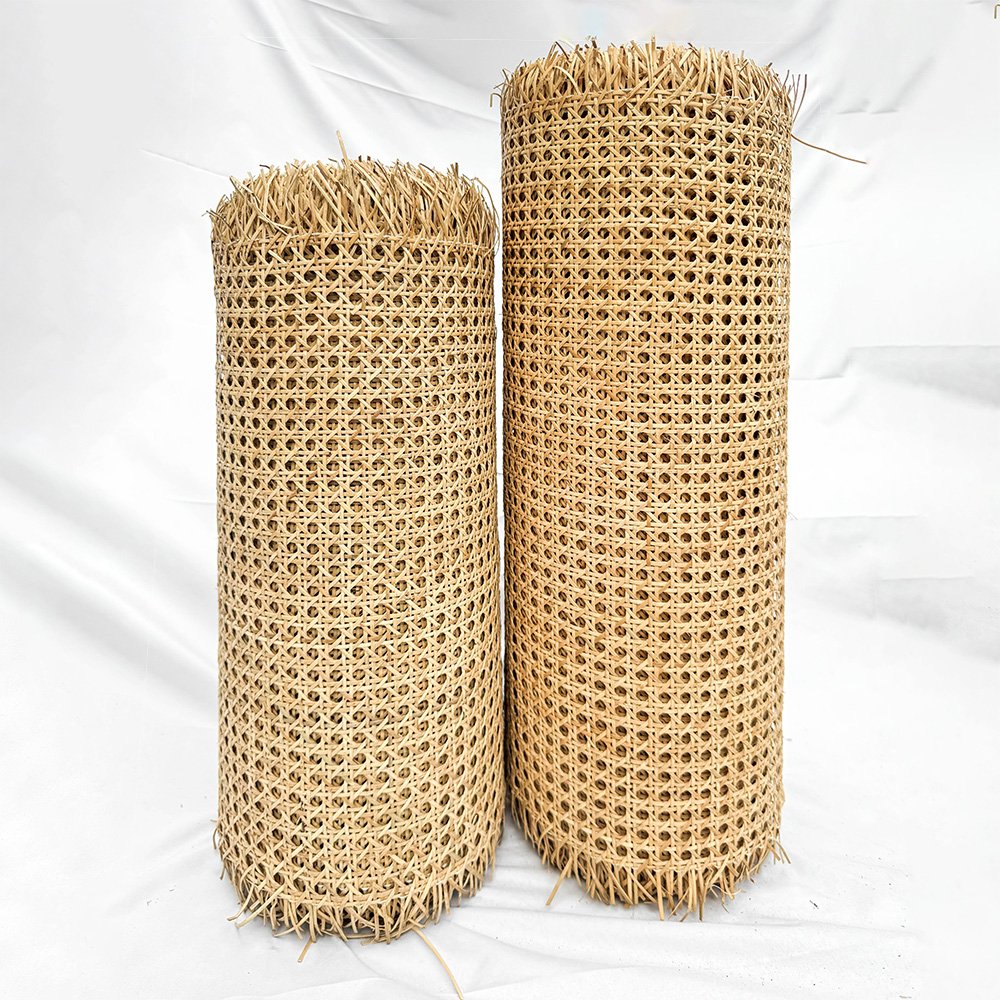
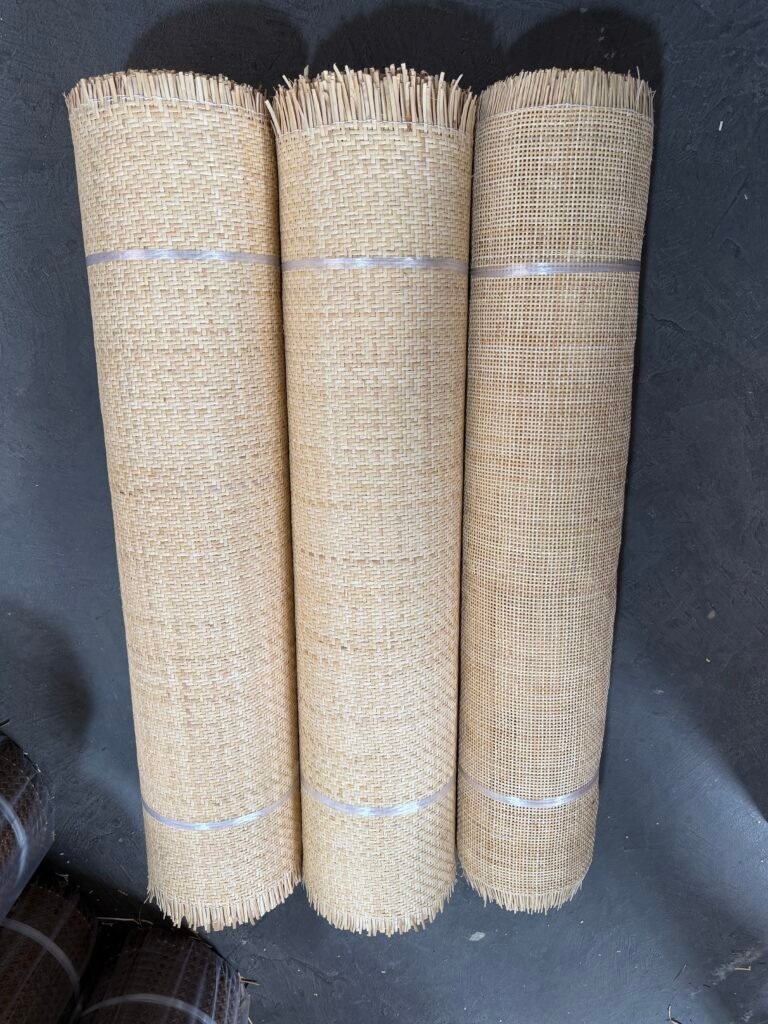
Appearance often shapes the first impression of furniture. Natural rattan offers rich texture, subtle color variation, and an organic character that synthetic materials struggle to replicate. Designers frequently choose natural rattan when creating warm, inviting interiors that emphasize craftsmanship and authenticity.
Plastic rattan focuses on consistency instead. Manufacturers can control color, texture, and finish with precision, allowing plastic rattan to maintain a uniform look across large projects. While natural rattan introduces individuality, plastic rattan delivers visual consistency that suits contemporary commercial environments.
Comparing the Durability of Natural Rattan and Plastic Rattan
Durability becomes a major consideration once furniture enters daily use. Natural rattan performs exceptionally well indoors, where stable temperatures and controlled humidity help preserve its structure. Under proper conditions, natural rattan furniture can remain attractive for many years.
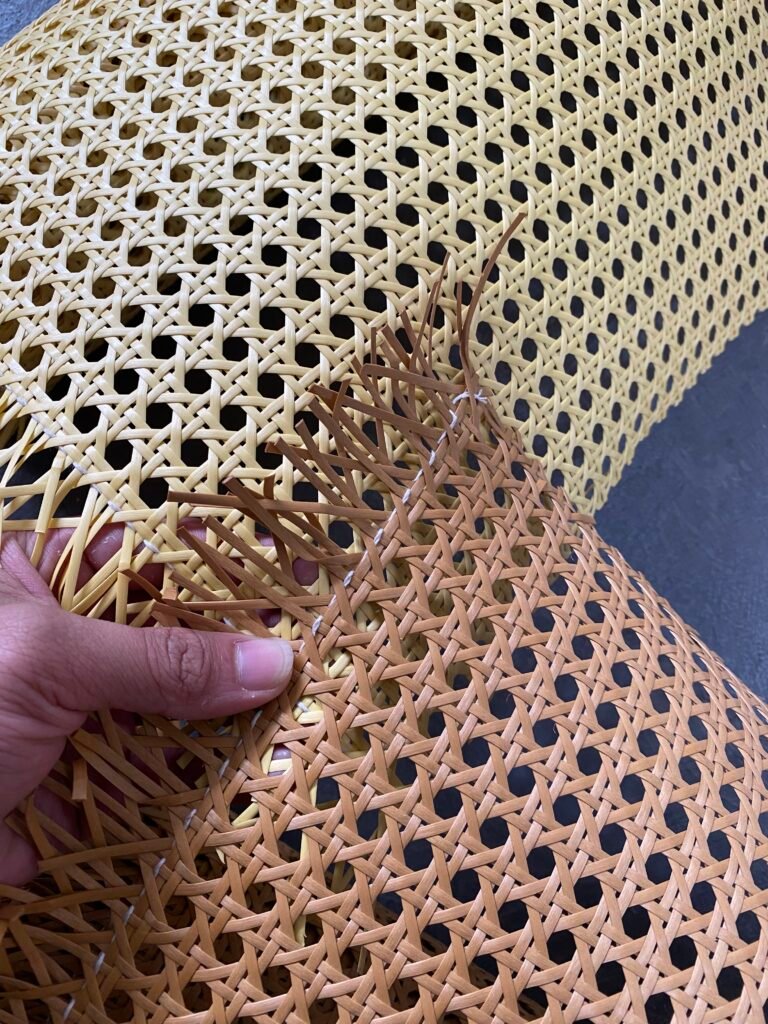
Plastic rattan excels in more demanding environments. It resists moisture, UV exposure, and seasonal weather changes far better than natural fibers. Because of these qualities, many homeowners and hospitality businesses prefer plastic rattan for patios, balconies, gardens, and poolside seating. The choice often depends on whether the furniture will face indoor comfort or outdoor challenges.
Maintenance Requirements: Natural Rattan vs Plastic Rattan
Maintenance directly affects long-term ownership costs. Natural rattan benefits from routine care, including dust removal and protection from excessive moisture or prolonged sunlight. Regular attention helps maintain both appearance and structural integrity.
Plastic rattan requires far less effort. Most users simply wipe the surface with water and mild detergent to remove dirt and stains. Unlike natural rattan, plastic rattan handles rain and temperature fluctuations without demanding specialized care. For busy households and commercial venues, this convenience often becomes a deciding factor.
Environmental Impact of Natural Rattan and Plastic Rattan
Sustainability has become increasingly important in the furniture industry. Natural rattan appeals to environmentally conscious consumers because it grows quickly and regenerates naturally. Many communities also rely on natural rattan harvesting and weaving as a source of income, creating economic benefits alongside environmental advantages.
Plastic rattan approaches sustainability from a different perspective. Although it originates from synthetic materials, its long service life reduces replacement frequency. Some manufacturers now incorporate recyclable components into plastic rattan production, helping minimize environmental impact. Buyers who prioritize sustainability should evaluate both material sourcing and product longevity before making a decision.
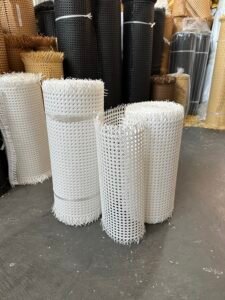
http://Natural Rattan Sheet Hexagonal Hole White Color
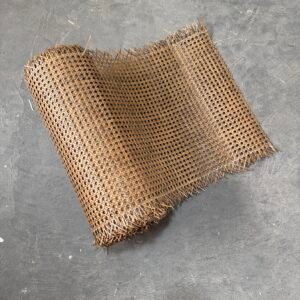
https://rattanweave.com/product/artificial-weave-rattan-cane-webbing-sheet/
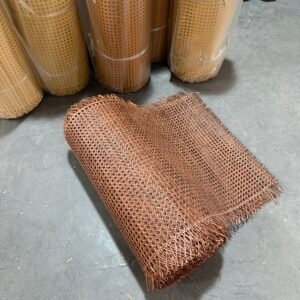
http://Eco friendly plastic rattan webbing wood color
Evaluating the Cost of Natural Rattan and Plastic Rattan
Budget considerations often influence material selection. Natural rattan usually commands a higher price because harvesting, processing, and weaving require skilled craftsmanship. Buyers often view this additional cost as an investment in authenticity and design value.
Plastic rattan generally offers a more economical solution for large-scale projects. Its manufacturing process supports consistent production and lower maintenance expenses over time. While natural rattan attracts buyers seeking premium aesthetics, plastic rattan appeals to those focused on operational efficiency and long-term practicality.
Choosing Between Natural Rattan and Plastic Rattan Based on Your Needs
The best material depends less on trends and more on application. Natural rattan suits indoor settings where texture, warmth, and artisanal appeal enhance the overall atmosphere. Living rooms, cafés, boutique hotels, and reading spaces often benefit from its distinctive character.
Plastic rattan serves outdoor and high-traffic environments where durability takes priority. Restaurants, resorts, gardens, and commercial terraces frequently rely on plastic rattan because it withstands demanding conditions with minimal upkeep. Understanding the intended use helps narrow the choice quickly and effectively.
Natural Rattan and Plastic Rattan Both Have a Place
The debate between natural rattan and plastic rattan does not produce a universal winner. Natural rattan stands out through authenticity, craftsmanship, and timeless elegance. Plastic rattan distinguishes itself through durability, weather resistance, and ease of maintenance.
Rather than asking which material is better overall, buyers should identify their priorities. Those who value natural beauty and traditional craftsmanship may prefer natural rattan, while those seeking long-lasting outdoor performance often choose plastic rattan. The right decision emerges when material characteristics align with the demands of the space.