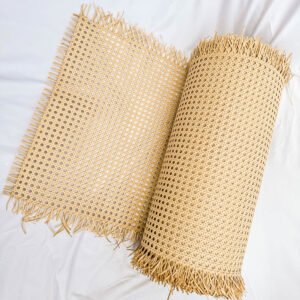
As we navigate the design landscape of 2026, the global furniture industry is experiencing a profound “textural renaissance.” Modern consumers are no longer satisfied with flat, sterile surfaces; they crave the depth and warmth provided by woven materials. This has sparked a renewed debate among designers: how do we balance the heritage of natural rattan with the industrial prowess of plastic rattan? In an era defined by a heightened focus on environmental ethics and personal lifestyle needs, the choice between these two materials is no longer just about looks—it is a strategic decision that reflects your values and your vision for your home.
The Essence of Authenticity and Organic Charm
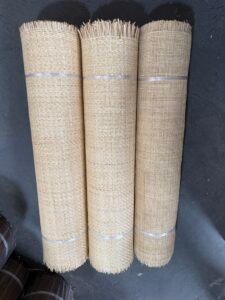
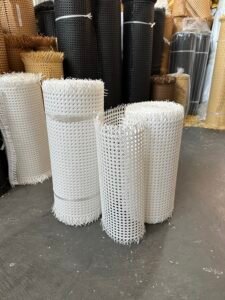
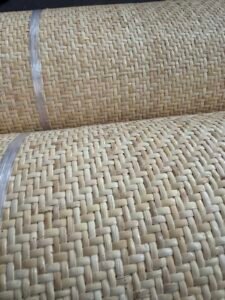
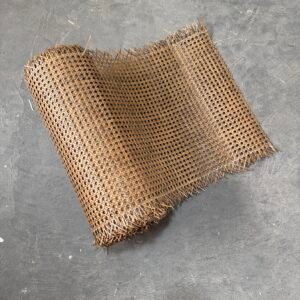
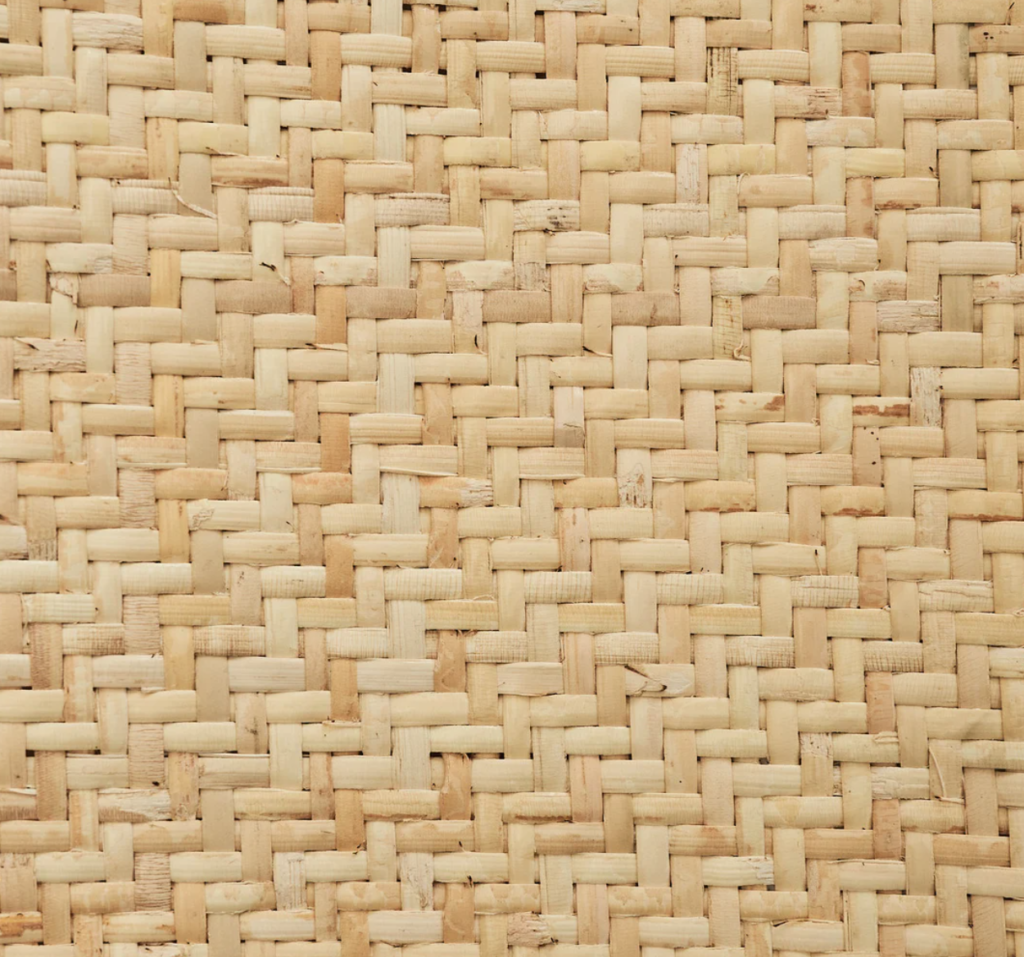
There is an irreplaceable authenticity to natural rattan. Sourced from a species of climbing palm, each piece carries unique variations in grain, color, and texture. This inherent organic charm brings a touch of nature indoors, creating a warm, inviting, and subtly luxurious atmosphere. In contrast, plastic rattan is engineered for consistency. Its uniform appearance offers a clean, contemporary look that can easily blend into various design schemes without the natural irregularities of its organic counterpart.
Durability and Resilience in Different Environments
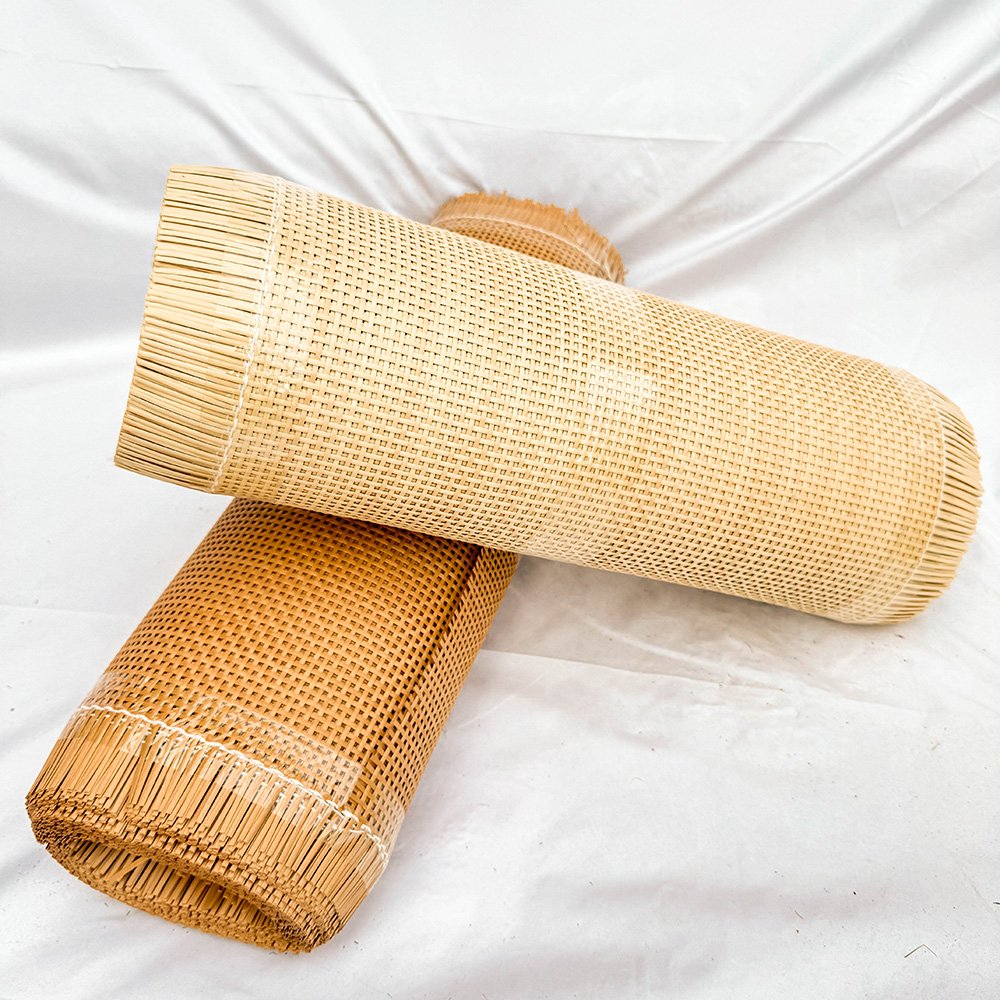
When it comes to withstanding the elements, plastic rattan is the undisputed champion for outdoor use. Made from synthetic resins like polyethylene, it is entirely waterproof, UV-resistant, and impervious to cracking or fading in sun, rain, or snow. Furniture made from plastic rattan can stay on a patio or balcony year-round with minimal care. Conversely, natural rattan is best suited for protected indoor or well-covered outdoor areas. Prolonged exposure to moisture and direct sunlight can cause it to become brittle, fade, or even mold.
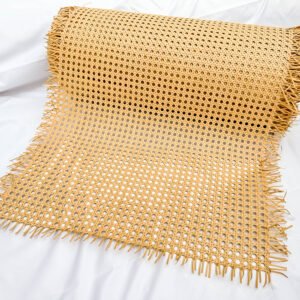
Natural Rattan Sheet Hexagonal Hole White Color
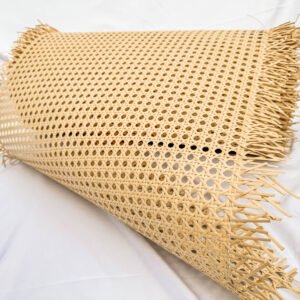
Eco friendly plastic rattan webbing wood color
Maintenance and Long-Term Care Considerations
Ease of maintenance is a significant factor for many homeowners. Here, plastic rattan excels with its fuss-free nature. A simple wipe-down with a damp cloth is usually all that’s needed to keep it looking new, making it ideal for busy households or homes with children and pets. Natural rattan, while not overly demanding, requires more attentive care. It benefits from occasional dusting, controlled humidity to prevent drying, and should be promptly cleaned if spills occur to prevent staining or water damage.
Environmental Impact and Sustainability Profiles
The ecological footprint is a crucial differentiator. Natural rattan is a renewable, biodegradable resource. When sourced responsibly from managed forests, it represents a sustainable choice that supports traditional craftsmanship and local economies. On the other hand, plastic rattan is derived from fossil fuels and is not biodegradable. Its environmental advantage lies in its extreme longevity and recyclability at the end of its very long life, though the recycling process itself is not always accessible.
Cost Implications and Value Over Time
The initial investment often tells a clear story. Typically, high-quality natural rattan furniture commands a higher price point, reflecting the skilled labor and organic material involved. It is an investment in a timeless piece. Plastic rattan furniture is generally more budget-friendly upfront and offers excellent value due to its low maintenance and long lifespan, especially in harsh conditions where natural rattan would quickly deteriorate.
Making the Right Choice for Your Space
Ultimately, the question of which material is “better” depends entirely on your specific environment and personal values. If you seek a heritage material that ages with grace and connects you to a specific artisanal tradition, natural rattan is an investment in authenticity for your protected indoor spaces. However, if your priority is a “buy-it-once” durability that survives the elements and a busy lifestyle, plastic rattan is the triumph of modern convenience. By understanding that natural rattan feeds our need for history while plastic rattan satisfies our need for performance, you can curate a home that is as resilient as it is beautiful.