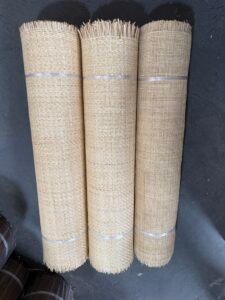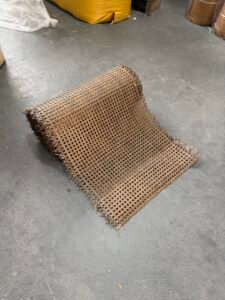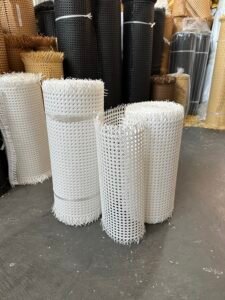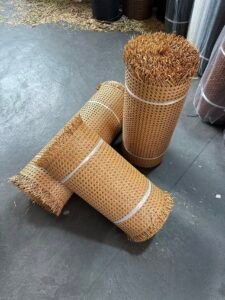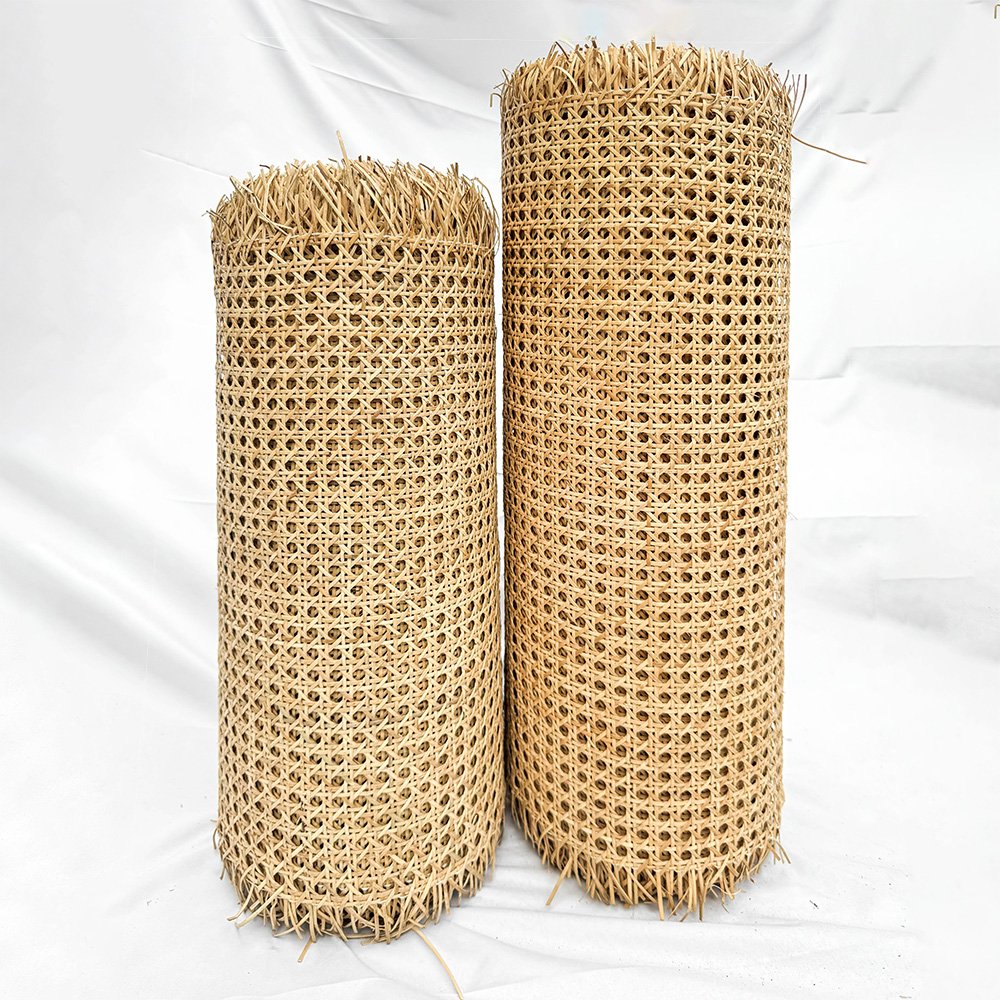
As we navigate the design landscape of 2026, the global furniture industry drives a profound “textural renaissance.” Modern consumers no longer accept flat, sterile surfaces; instead, they crave the depth and warmth that only woven materials provide. This shift sparks a renewed debate among designers: how do we balance the heritage of natural rattan roll with the industrial prowess of plastic rattan roll ? In an era that prioritizes environmental ethics and personal lifestyle needs, the choice between these materials transcends simple aesthetics—it represents a strategic decision reflecting your values and your vision for the home.
Durability and Weather Resistance: A Key Differentiator
The fundamental difference between these two mediums begins with their visual and tactile origins. Southeast Asian farmers harvest natural rattan from sturdy, flexible climbing palms, offering a unique “fingerprint” of grain and color that appeals to the luxury, artisanal market. In contrast, high-quality plastic rattan—typically made from high-density polyethylene (HDPE)—stands as a triumph of chemical engineering, providing a level of uniformity and color consistency that biological fibers cannot match. While the irregular beauty of the organic vine in natural rattan creates an emotional connection to the earth, the flawless finish of synthetic strands in plastic rattan allows for a sleek, contemporary aesthetic that fits perfectly into minimalist urban settings.
Environmental Impact and Sustainability Profiles
In 2026, environmental ethics act as a non-negotiable factor for the “conscious consumer.” natural rattan provides an inherently sustainable solution; as a fast-growing, carbon-sequestering plant, it incentivizes forest conservation in developing nations. However, the synthetic sector counters with significant innovation, as high-end plastic rattan manufacturers now increasingly utilize ocean-bound plastics and bio-based resins to create a circular product lifecycle. The modern buyer must weigh the immediate, low-energy biodegradability of natural rattan against the decades-long durability and ultimate recyclability of engineered plastic rattan, both of which contribute to reducing the furniture industry’s overall waste output in distinct ways.
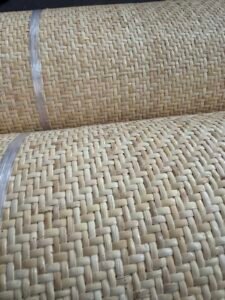
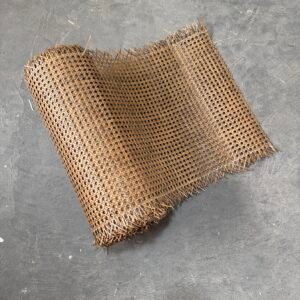
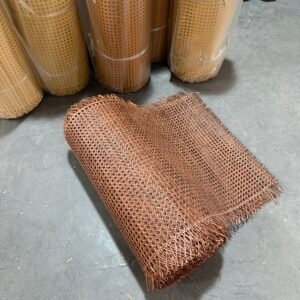
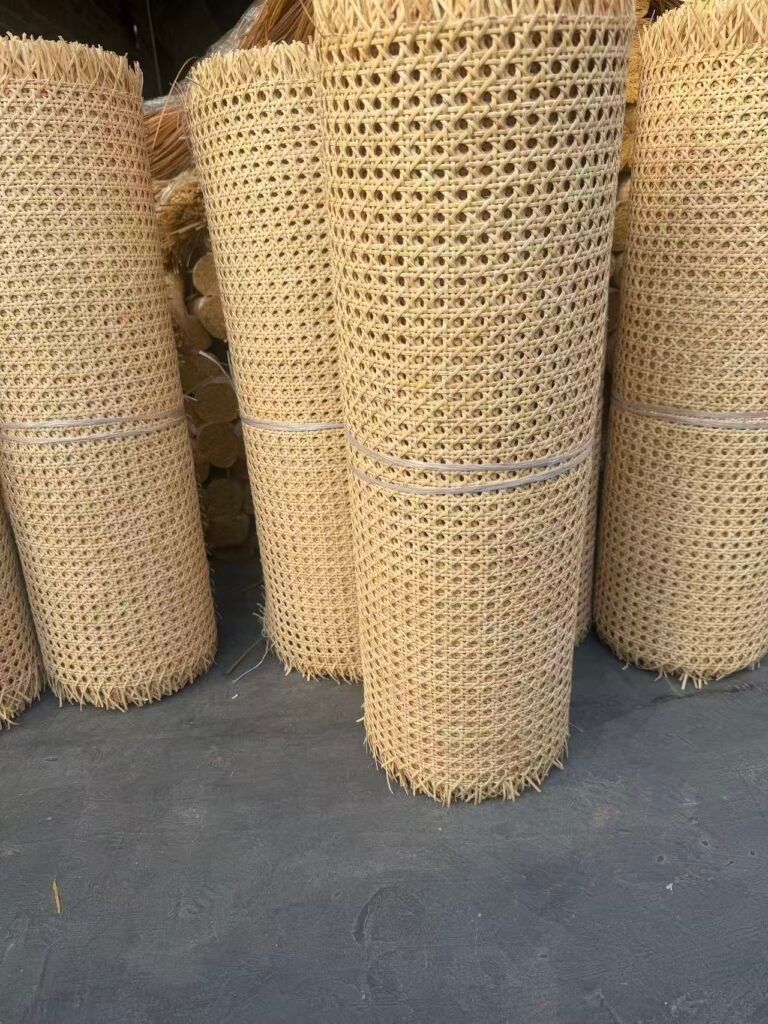
Natural Rattan Sheet Hexagonal Hole White Color
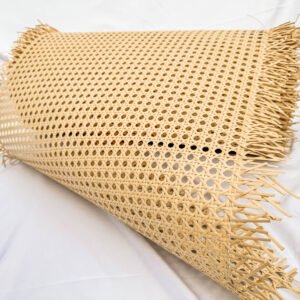
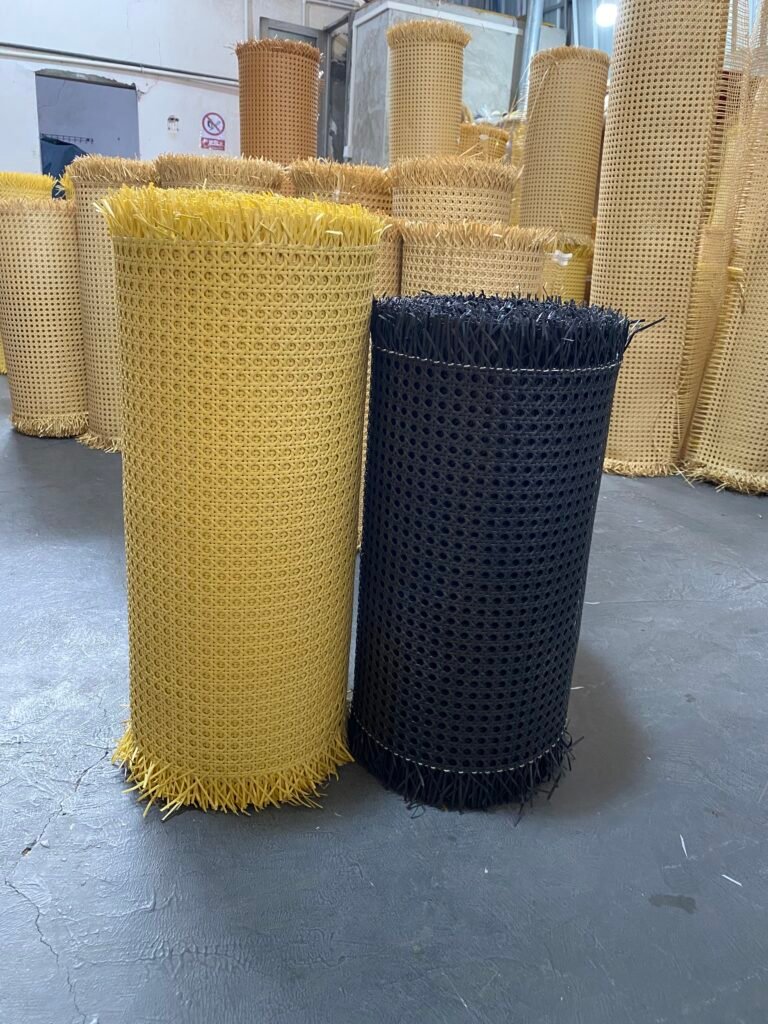
Synthetic Cane Weave Multiple colors are available
https://www.ihchina.cn/project_details/
Indoor Natural Rattan Roll vs. All-Weather Plastic Rattan Roll
Location often serves as the ultimate deciding factor in this material debate. Natural rattan functions as a “breathable” organic fiber that expands and contracts with humidity, making it the gold standard for indoor sanctuaries like master bedrooms or libraries where tranquility reigns. However, for the booming “outdoor living” sector, plastic rattan emerges as the undisputed champion due to its total resistance to UV radiation, heavy rain, and the extreme temperature fluctuations that would rot organic vines. Essentially, the organic weave of natural rattan provides the emotional heart for interior spaces, while the synthetic weave of plastic rattan ensures that gardens or balconies remain aesthetically consistent year-round regardless of the weather.
Nurturing Natural Rattan vs. Plastic Rattan Utility
The ownership experience depends largely on how much time a person dedicates to upkeep. Natural rattan requires a gentle, rhythmic touch; owners must dust it regularly and occasionally apply specific oils to prevent the fibers from becoming brittle in dry, air-conditioned environments. On the other hand, the primary appeal of plastic rattan lies in its “set it and forget it” nature, as users can clean it with a simple garden hose and mild soap without risking structural damage or fading. For high-traffic households with pets or young children, the rugged resilience of plastic rattan often outweighs the delicate, artisanal requirements of natural rattan, making the former a more practical daily companion for a busy modern family.
Sourcing Authentic Natural Rattan Roll and Scaling Plastic Rattan Roll
The international trade landscape of 2026 emphasizes supply chain diversification and localized production. Natural rattan remains largely dependent on specific tropical climates and local harvesting regulations in Southeast Asia, which occasionally triggers price volatility based on regional weather patterns or maritime shipping delays. In contrast, factories produce plastic rattan in advanced manufacturing hubs globally, reducing the “miles-per-product” and insulating consumers from the geopolitical risks that affect raw material exports. While the prestige of natural rattan stems from its exotic origin and hand-woven heritage, the industrial scalability of plastic rattan ensures that global retailers can offer stable pricing even during periods of logistics instability.
Blending Natural Rattan Roll Soul with Plastic Rattan Roll Strength
Looking toward the end of the decade, technology blurs the lines between these two categories in surprising ways. We witness the rise of invisible nano-coatings that protect natural rattan from moisture, effectively granting it the “superpowers” of synthetic materials without sacrificing its organic feel. Simultaneously, advanced 3D-extrusion techniques allow plastic rattan to mimic the variegated tones and “hairy” textures of real vines so accurately that the imitation fools even a trained eye. As innovation continues, the industry moves toward a future where designers use natural rattan and plastic rattan in tandem—one for its soul and the other for its strength—to create furniture that is both emotionally resonant and physically indestructible.
Conclusion: Making the Right Choice for Your Space
Ultimately, the question of which material performs “better” depends entirely on your specific environment and personal values. If you seek a heritage material that ages with grace and connects you to a specific artisanal tradition, natural rattan represents a perfect investment in authenticity for your protected indoor spaces. However, if you prioritize “buy-it-once” durability that survives the elements and a busy lifestyle, plastic rattan represents the triumph of modern convenience. By recognizing that natural rattan feeds our need for history while plastic rattan satisfies our need for performance, you can curate a home that remains as resilient as it is beautiful.