In the interior design landscape of 2026, we no longer define luxury by price tags, but by “material intentionality.” As urban dwellers seek to bridge the gap between their digital lives and the physical world, two textures dominate the conversation. We see natural rattan grounding our sensory experiences with organic warmth, while plastic rattan provides the structural backbone for our high-velocity, modern lifestyles. Choosing between them requires more than a simple comparison; it demands an understanding of how these two distinct mediums interact with our environment, our ethics, and our future.
Natural Rattan’s Authenticity vs. Plastic Rattan’s Consistency
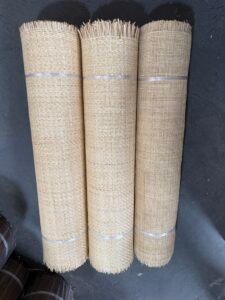
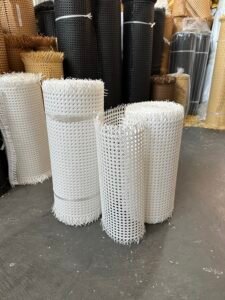
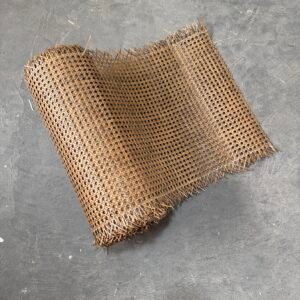
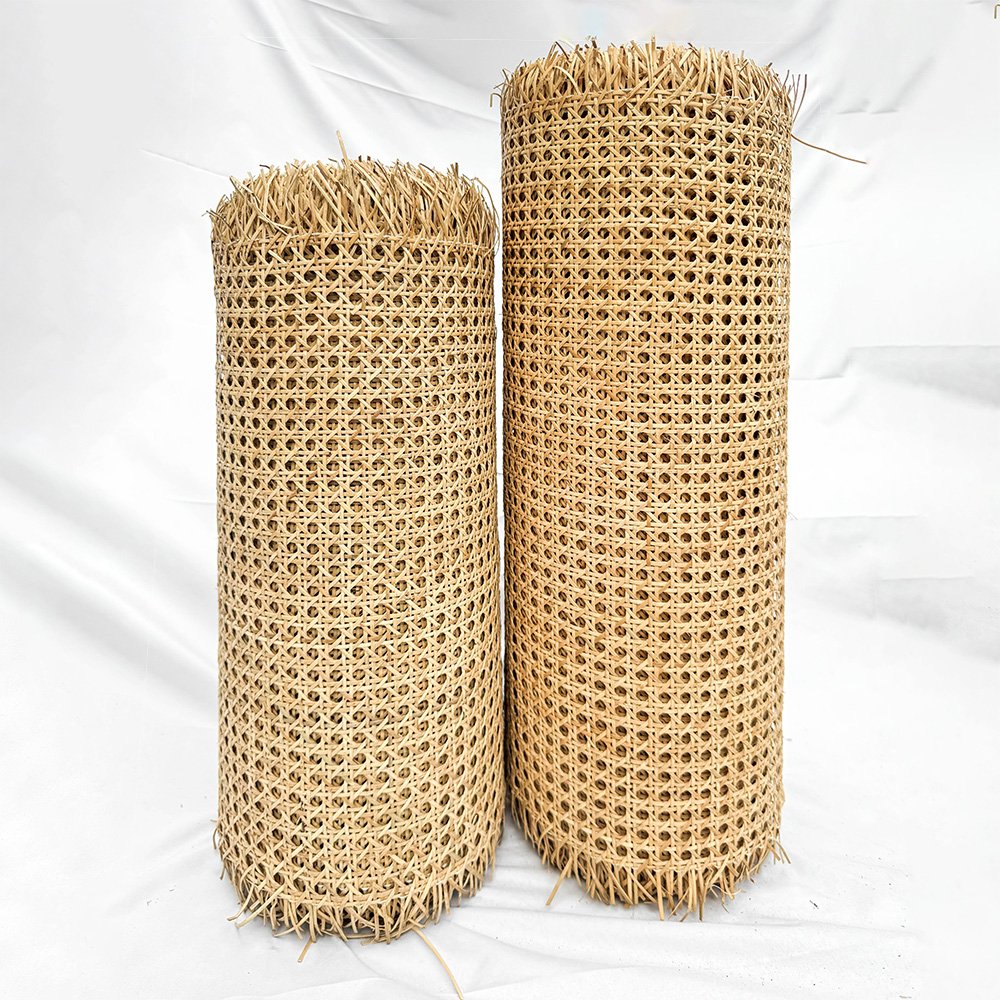
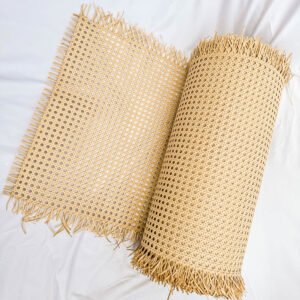
At its heart, natural rattan possesses an organic soul. It is a material that breathes, ages, and tells a unique story through its subtle variations in hue and grain. It connects your space to the natural world. Plastic rattan embodies engineered resolve. Born from advanced polymers, it offers unwavering consistency, structural precision, and a mastery over form and color that nature does not attempt.
Nurtured Grace vs. Relentless Endurance
Furniture made from natural rattan asks for a mindful partnership. It thrives in temperate, protected environments where it can age with nurtured grace, developing a richer patina over years. Direct sun or excessive moisture are its adversaries. Conversely, plastic rattan is built for relentless endurance. It laughs at rain, resists UV fading without a fight, and stands unflinching through seasonal extremes, demanding nothing more than an occasional wipe.
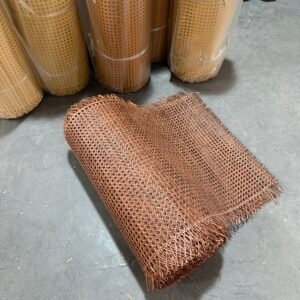
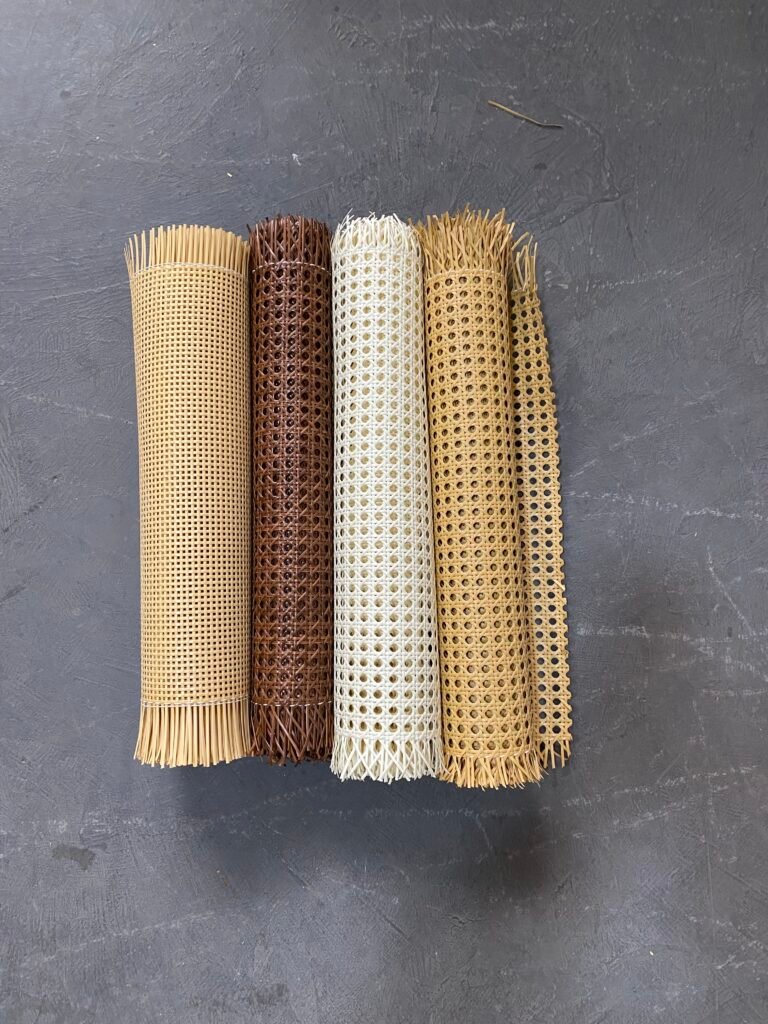
Plastic Rattan Hexagonal Hole Woven Black Color
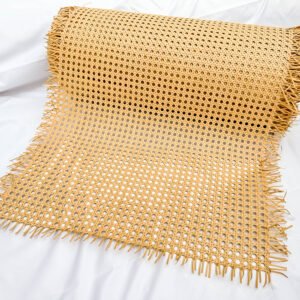
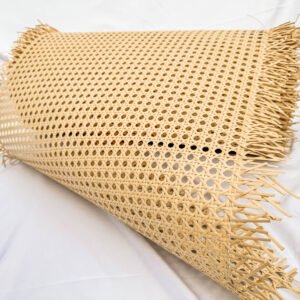
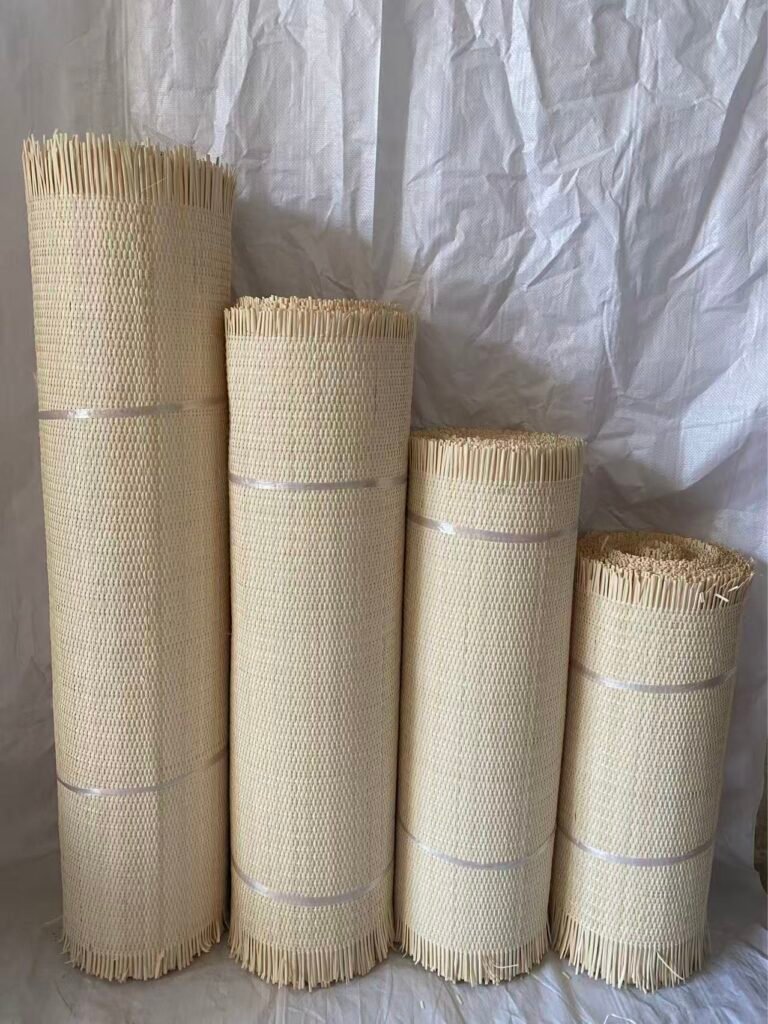
Natural Rattan 6X6mm Radio Mesh White Color
https://danubedecor.com/blog/everything-about-rattan-cane-webbing-roll/
Aesthetic Appeal and Sensory Experience
Modern architecture in 2026 has effectively erased the wall between the living room and the terrace. We now use natural rattan to bring an “outdoor soul” into our bedrooms, creating a sanctuary that breathes and smells of the forest. However, once we step across the threshold onto the sun-drenched patio, plastic rattan takes over the heavy lifting, as it shrugs off the UV radiation and acid rain that would otherwise bleach and brittle organic fibers. Designers now frequently layer these materials in the same visual field, allowing the delicate grace of natural rattan to set the interior mood while the rugged durability of plastic rattan maintains the aesthetic flow into the garden.
The Art of Aging: Patina vs. Eternal Youth
Time treats every material differently, and 2026 aesthetics celebrate this divergence. Enthusiasts of natural rattan cherish the “patina”—the way the fibers darken and develop a rich, honeyed hue over a decade of use. Conversely, those who favor a permanent “new look” gravitate toward plastic rattan, which utilizes advanced light-stabilizers to ensure that the color you buy today remains identical ten years from now. While the shifting tones of natural rattan tell the history of a home’s evolution, the unwavering vibrancy of plastic rattan offers a sense of stability in an ever-changing world, appealing to those who view furniture as a permanent architectural fixture.
Geopolitical Sourcing: The Ethics of Global Trade
The trade tensions of the mid-2020s have turned material sourcing into a political statement. Because natural rattan grows primarily in Southeast Asia, purchasing it supports traditional weaving communities and protects biodiversity in critical ecological zones. Meanwhile, the rise of “localized manufacturing” allows Western tech-hubs to extrude plastic rattan using domestic solar power, significantly reducing the carbon footprint associated with international shipping. We must choose between supporting the artisanal heritage embedded in natural rattan and the technological independence offered by locally-produced plastic rattan, a decision that impacts global economies far beyond our own front doors.
AI-Curated Aesthetics: The Convergence of Vine and Polymer
Artificial Intelligence now plays a lead role in how we weave these materials together. Designers use AI algorithms to optimize the structural tension of natural rattan, allowing for avant-garde shapes that the artisans of the past could only dream of. At the same time, high-tech labs extrude plastic rattan into bio-mimetic patterns that capture the heat-retention properties of real wood, nearly erasing the sensory gap between the two. This technological convergence suggests a future where natural rattan provides the creative inspiration, while plastic rattan offers the industrial scale needed to bring high-end design to the masses.
Conclusion: The Verdict of the Modern Curated Home
Ultimately, the choice for 2026 is not about which material is superior, but which one serves your immediate intent. Natural rattan remains the undisputed king of emotional resonance, a material that lives, breathes, and ages alongside its owner. Yet, plastic rattan stands as a triumph of human ingenuity, offering a maintenance-free, resilient alternative that defies the elements. By strategically placing natural rattan in our most intimate spaces and deploying plastic rattan in our most active ones, we create homes that are not only beautiful but also perfectly adapted to the complexities of modern existence.