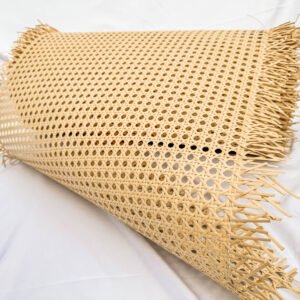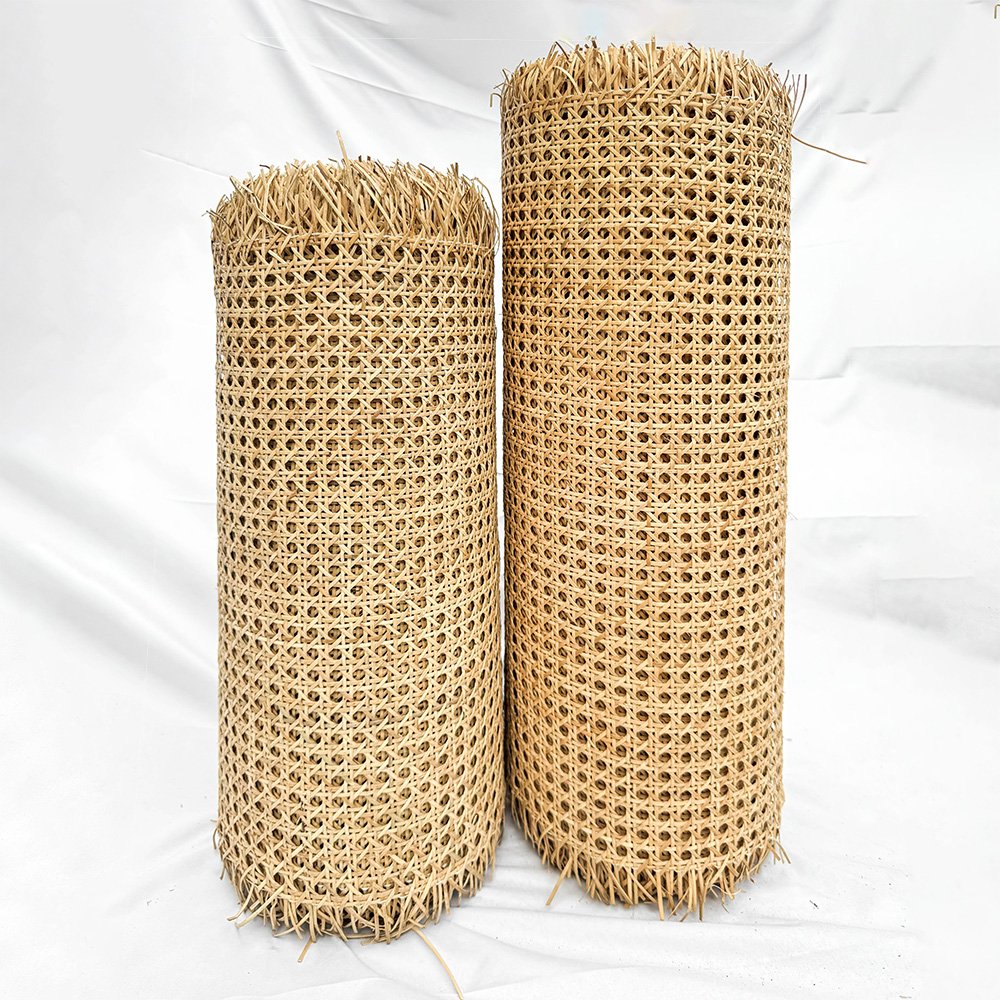
When selecting furniture or décor, the choice between natural rattan and plastic rattan often presents a delightful dilemma. Each material brings a distinct character and set of practical benefits to your home. This guide explores their unique attributes to help you make an informed decision that aligns with your lifestyle and aesthetic vision.
Natural Rattan Conservation vs. Plastic Rattan Circularity
Natural rattan originates from a renewable climbing palm, primarily found in tropical forests. Its harvest supports traditional craftsmanship and gives each piece a unique, organic grain. In contrast, manufacturers derive plastic rattan, typically from synthetic polymers like polyethylene, through an industrial extrusion process. This artificial creation allows for remarkable uniformity in color and texture, offering a consistent look that natural fibers cannot replicate.
Indoor Natural Rattan vs. All-Weather Plastic Rattan
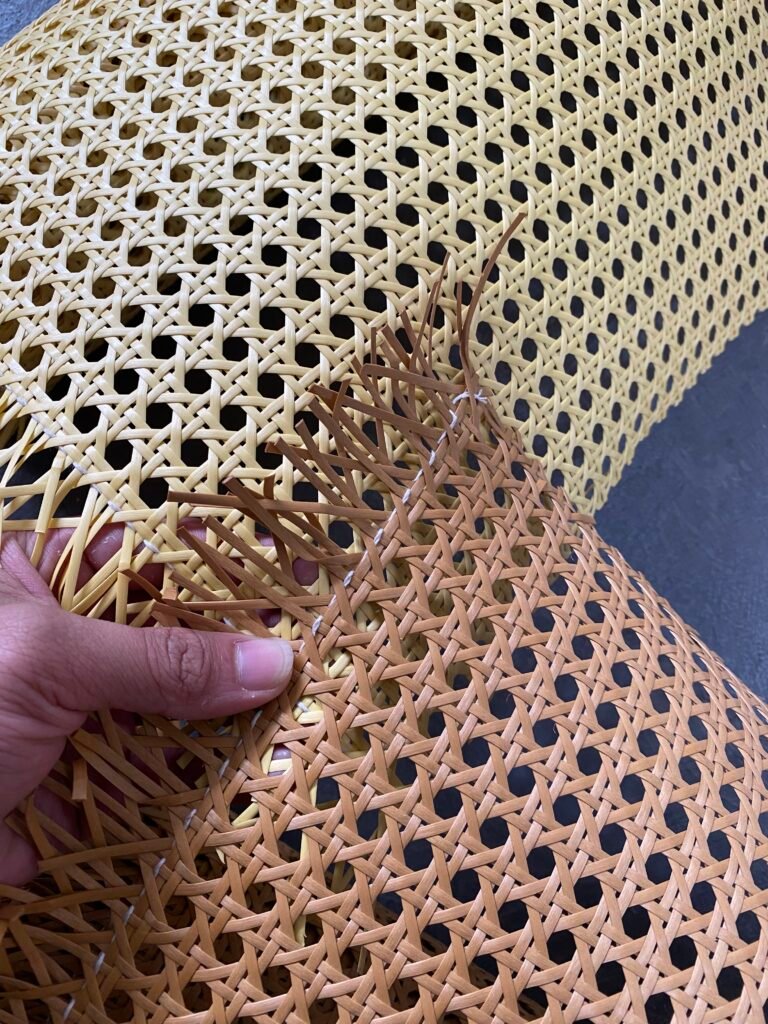
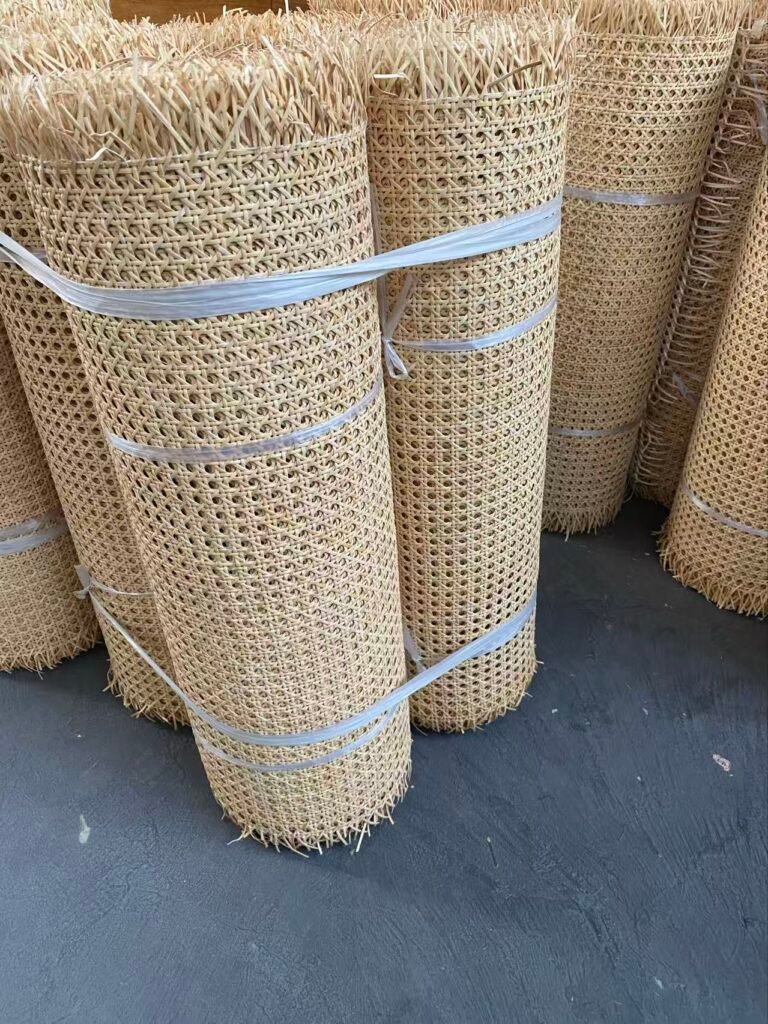
The longevity of your furniture depends heavily on its environment. Natural rattan possesses an inherent warmth and breathability, making it ideal for consistent indoor climates. However, prolonged exposure to direct sunlight or humidity can cause drying or weakening. Conversely, plastic rattan boasts exceptional resistance to moisture, UV rays, and temperature fluctuations. This synthetic alternative thrives in sunrooms, patios, and balconies where weather conditions would quickly degrade its natural counterpart.
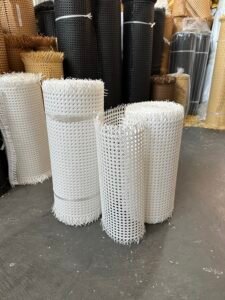
Plastic Rattan Hexagonal Hole Woven Black Color
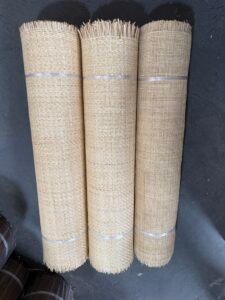
Natural Rattan 6X6mm Radio Mesh White Color
https://danubedecor.com/blog/everything-about-rattan-cane-webbing-roll/
Aesthetic and Tactile Experience
Your sensory interaction with the material greatly influences the ambiance of a room. Natural rattan provides a warm, earthy texture and a subtle, irregular surface that adds organic depth. Its natural hues range from honey to cinnamon, evolving slightly over time. Plastic rattan offers a smoother, more standardized feel and comes in a vast spectrum of colors, from neutral tones to bold statements. This versatility makes the synthetic version a favorite for achieving specific, unchanging color schemes in modern interiors.
Maintenance and Long-Term Care
Ease of upkeep is a crucial practical consideration. Caring for natural rattan involves gentle dusting and avoiding liquid spills; occasional conditioning with a damp cloth helps maintain its flexibility. For deeper cleaning, specialized care is necessary to prevent damage. Plastic rattan requires minimal maintenance, as most designs allow for easy cleaning with soap and water. This resilience makes the man-made version a practical choice for households with children or for high-use outdoor entertaining areas
Sustainability and Lifecycle Impact
The ecological footprint of your choice carries increasing weight. As a fast-growing, biodegradable vine, natural rattan represents a renewable resource, especially when sourced from responsibly managed forests. Its end-of-life disposal has minimal environmental impact. Plastic rattan, while durable and long-lasting, relies on fossil fuels. Its eco-advantage hinges on its extended lifespan and potential for recycling, which helps mitigate waste compared to frequently replaced items.
Making Your Personal Choice
Ultimately, the “better” material depends on your priorities. Choose natural rattan for its authentic beauty, unique character, and biodegradable nature in protected indoor settings. Opt for plastic rattan when you need maximum durability, minimal upkeep, and design flexibility for outdoor or high-moisture areas. By weighing these factors—authenticity versus endurance, organic charm versus modern resilience—you can select the weave that not only enhances your space but also seamlessly integrates with your way of living.