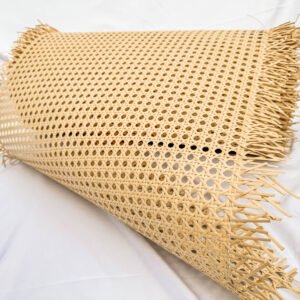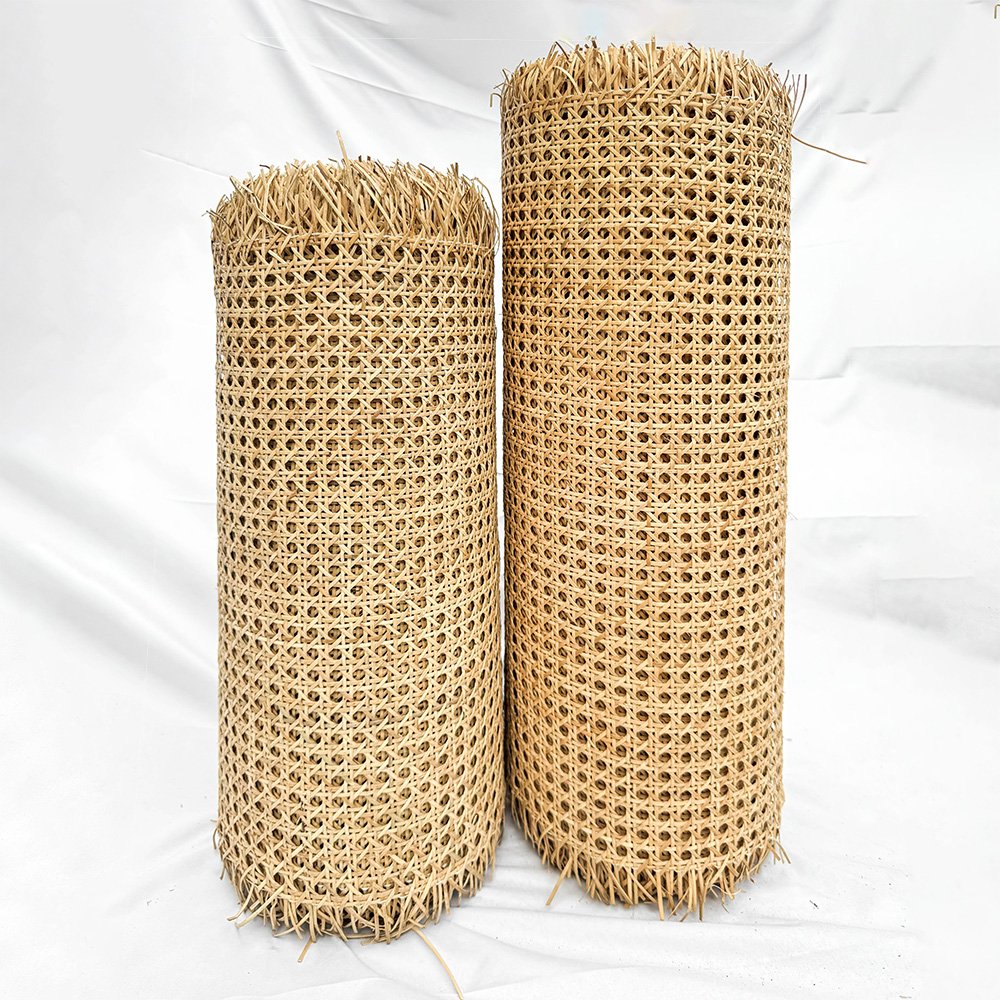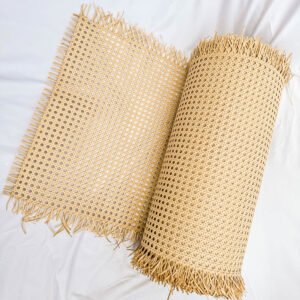
In the design-conscious world of 2026, we no longer view furniture as a static purchase, but as a dynamic interaction with our living space. This evolution forces a critical choice between the soulful, aging beauty of natural rattan and the indestructible, precision-engineered utility of plastic rattan. While many homeowners feel torn between tradition and performance, the most successful interiors today integrate both materials by recognizing their vastly different life cycles. Understanding the specific strengths of these two mediums allows you to curate a home that feels both grounded and resilient.
Environmental Fit of Natural Rattan and Plastic Rattan
The first decision point rests on the human sense of touch and the psychological impact of textures. When you run your fingers along natural rattan, you engage with the subtle ridges and organic “imperfections” of a forest-grown vine, a tactile feedback that lowers stress levels in intimate spaces. Conversely, high-grade plastic rattan offers a different kind of sensory satisfaction through total structural consistency and a snag-free finish. While the slight variations in natural rattan celebrate the “wabi-sabi” of nature, the uniform strands of plastic rattan provide a sleek, predictable surface that complements the clean lines of ultra-modern, minimalist architecture.
Daily Practicality of Natural Rattan and Plastic Rattan
Time treats every material differently, and your choice reflects your long-term aesthetic goals. Enthusiasts of natural rattan cherish the “patina”—the way the fibers deepen into a rich, honeyed amber over a decade of indoor use. In sharp contrast, plastic rattan appeals to those who demand “eternal youth,” as its UV-stabilized pigments ensure that the color remains as vibrant in year ten as it was on day one. While the changing tones of natural rattan tell a story of a home’s evolution, the unwavering stability of plastic rattan offers a sense of permanence for those who view furniture as a lifelong architectural fixture.
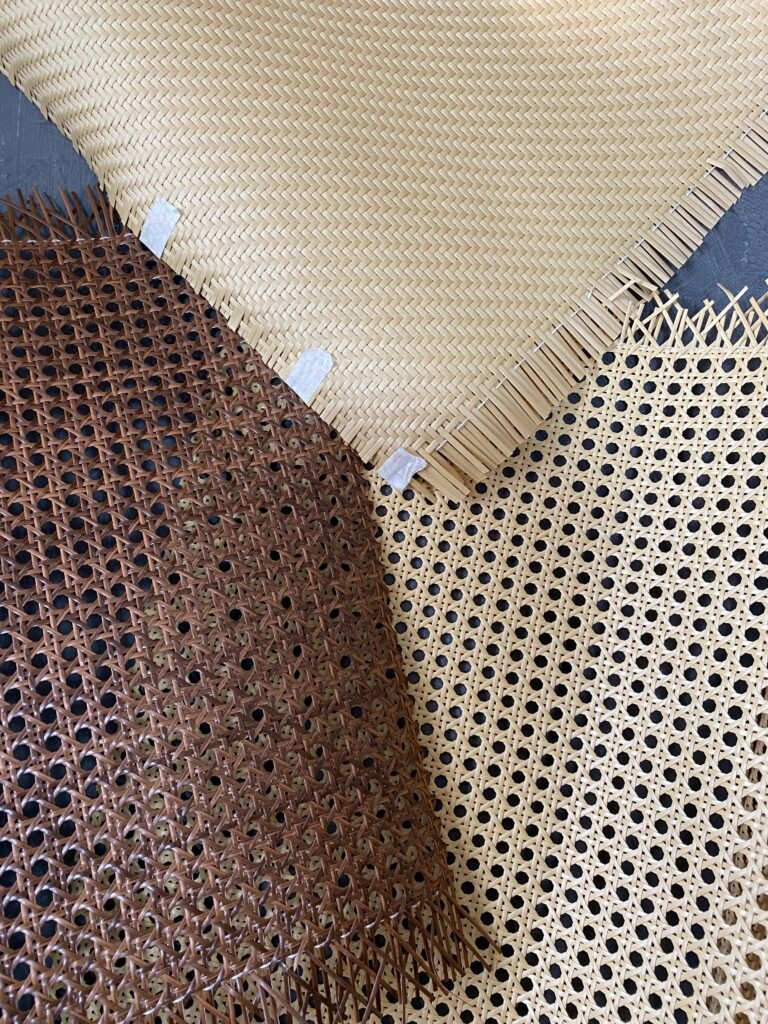
Micro-Climatic Logic: Breathing Fibers vs. Resilient Polymers
Environmental stressors dictate the placement of your furniture more than any visual trend. Natural rattan functions as a “breathing” material that expands and contracts with indoor humidity, making it an ideal companion for air-conditioned bedrooms or libraries. However, once you move toward the “urban heat islands” of a city balcony or a salt-misted coastal patio, plastic rattan takes the lead by shrugging off moisture and heat that would otherwise warp or mold organic vines. By placing natural rattan in your most sheltered rooms and deploying plastic rattan in exposed transition zones, you ensure that every piece survives its specific micro-climate.
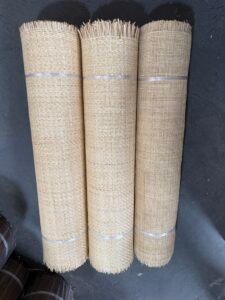
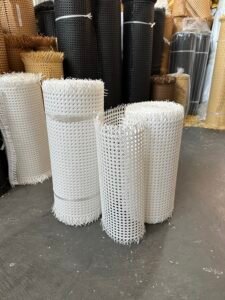
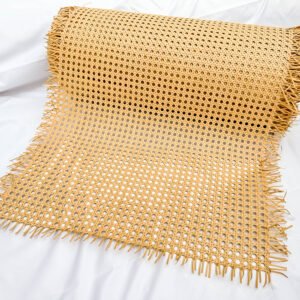
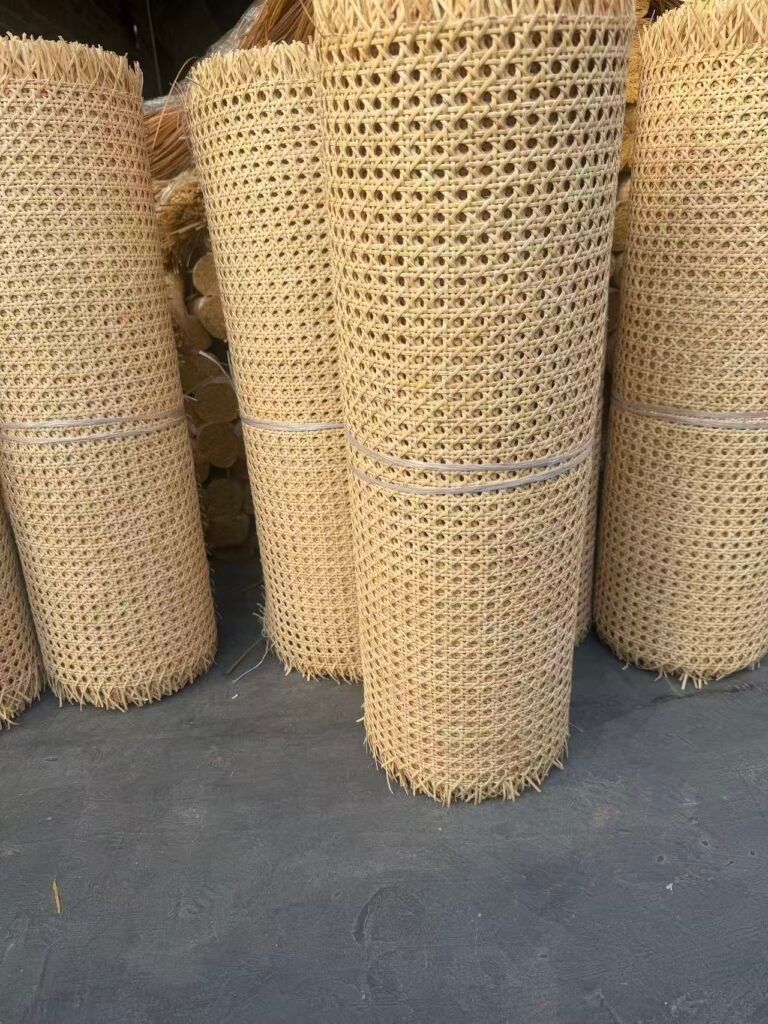
Natural Rattan Sheet Hexagonal Hole White Color
https://rattanweave.com/product/artificial-weave-rattan-cane-webbing-sheet/
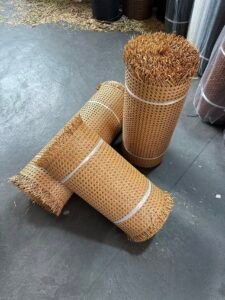
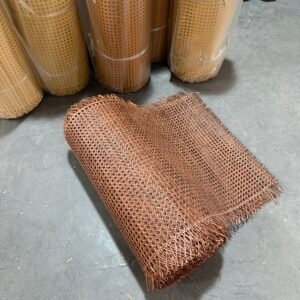
Eco friendly plastic rattan webbing wood color
The Labor of Love: Ritual Maintenance vs. Instant Utility
Your lifestyle and the time you allot for household rituals should guide your selection. Natural rattan invites a gentle relationship; it rewards the owner who occasionally oils the fibers to prevent brittleness in dry climates. On the other hand, plastic rattan serves the “high-velocity” modern lifestyle, where a simple rinse with a garden hose constitutes the entirety of its maintenance schedule. For those who find peace in the ritualistic care of heritage pieces, natural rattan offers a rewarding bond, while plastic rattan provides the ultimate “set it and forget it” solution for busy families with pets and active children.
Ethical Sourcing: Forest Conservation vs. Circular Innovation
The 2026 “Carbon Passport” system has transformed how we evaluate material ethics. Choosing natural rattan supports the preservation of tropical rainforests, as these climbing palms require a healthy forest canopy to thrive, providing income for local harvesting communities. Simultaneously, the synthetic sector has pivoted toward circularity, with premium plastic rattan now utilizing bio-based resins or ocean-bound plastics to reduce the global waste stream. We must weigh the immediate, low-energy biodegradability of natural rattan against the long-term, closed-loop recyclability of high-end plastic rattan, making each purchase a vote for a specific environmental future.
The 2026 Hybrid Horizon: Invisible Coatings and Bio-Mimicry
As technology advances, the boundaries between these two rivals continue to blur in exciting ways. We now see the rise of nano-coatings that grant natural rattan a level of moisture resistance previously reserved for synthetics, allowing it to venture closer to the outdoors. At the same time, AI-driven extrusion allows plastic rattan to mimic the “hairy” texture and variegated color of real vines so accurately that even experts struggle to spot the difference from a distance. This convergence suggests a future where designers use natural rattan for its emotional depth and plastic rattan for its structural immortality, blending the two into a single, high-performance living environment.
Conclusion: Curating Your Personal Ecosystem
Ultimately, the debate between natural rattan and plastic rattan is not a competition, but a search for balance. If you value a material that lives, breathes, and ages alongside you, natural rattan remains the undisputed king of indoor authenticity. However, if your 2026 lifestyle demands a maintenance-free, weather-proof champion that defies the elements, plastic rattan represents the pinnacle of modern engineering. By understanding the distinct lifecycle of both natural rattan and plastic rattan, you can build a home that is as spiritually grounded as it is physically resilient.