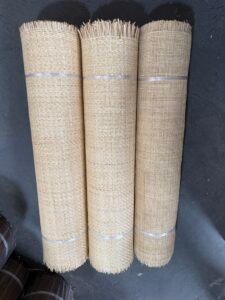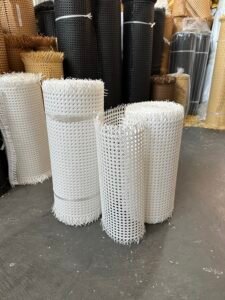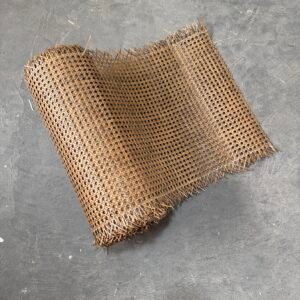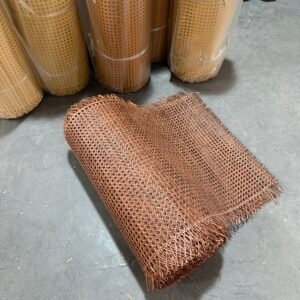
The Organic Soul of Natural Rattan and the Precision of Plastic Rattan
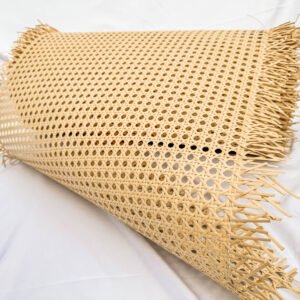
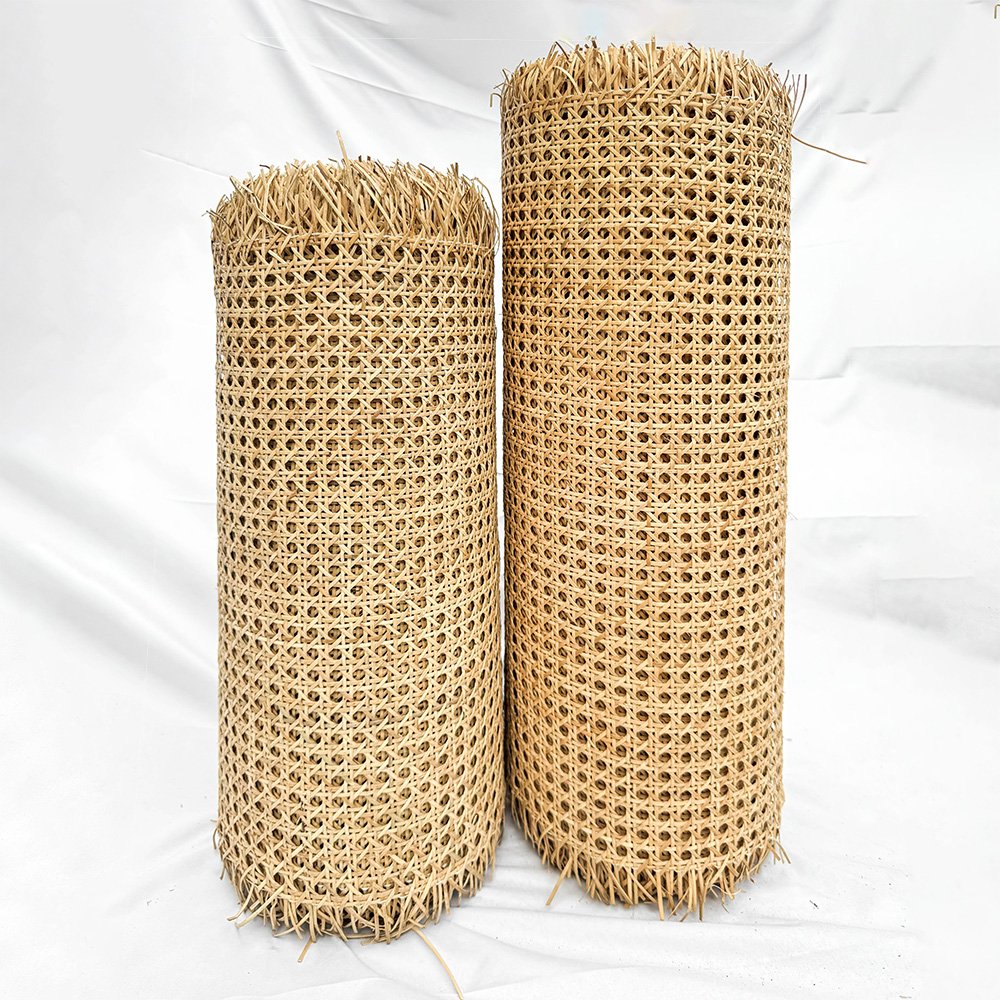
Natural rattan roll comes from renewable palm vines, offering a warm and organic texture that connects furniture to nature. In contrast, plastic rattan is manufactured from synthetic fibers designed to mimic the look of natural materials while improving durability. When comparing natural rattan roll and plastic rattan roll, the key difference lies in authenticity versus engineered performance, setting the foundation for your decision.
Natural Rattan Sustainability and Plastic Rattan Circularity
Natural rattan roll delivers a rich, earthy tone with subtle variations that add character to any space. Plastic rattan roll, however, maintains a consistent appearance, often appealing to those who prefer uniform design. While natural rattan creates a cozy and timeless atmosphere, plastic rattan roll suits modern settings where clean lines and predictable finishes matter more.
Indoor Natural Rattan and All-Weather Plastic Rattan
Natural rattan roll performs best in indoor or covered environments, as prolonged exposure to moisture and sunlight can weaken its fibers. Plastic rattan roll, on the other hand, resists UV rays, rain, and humidity with ease, making it ideal for outdoor furniture. When durability becomes a priority, plastic rattan roll offers a practical advantage over natural rattan roll without requiring constant care.
Maintenance Requirements
Natural rattan roll requires gentle cleaning and occasional conditioning to maintain its flexibility and appearance. Plastic rattan roll simplifies upkeep, as it only needs basic washing to remove dirt or stains. For busy lifestyles, plastic rattan provides convenience, while natural rattan appeals to those willing to invest time in preserving its natural beauty.
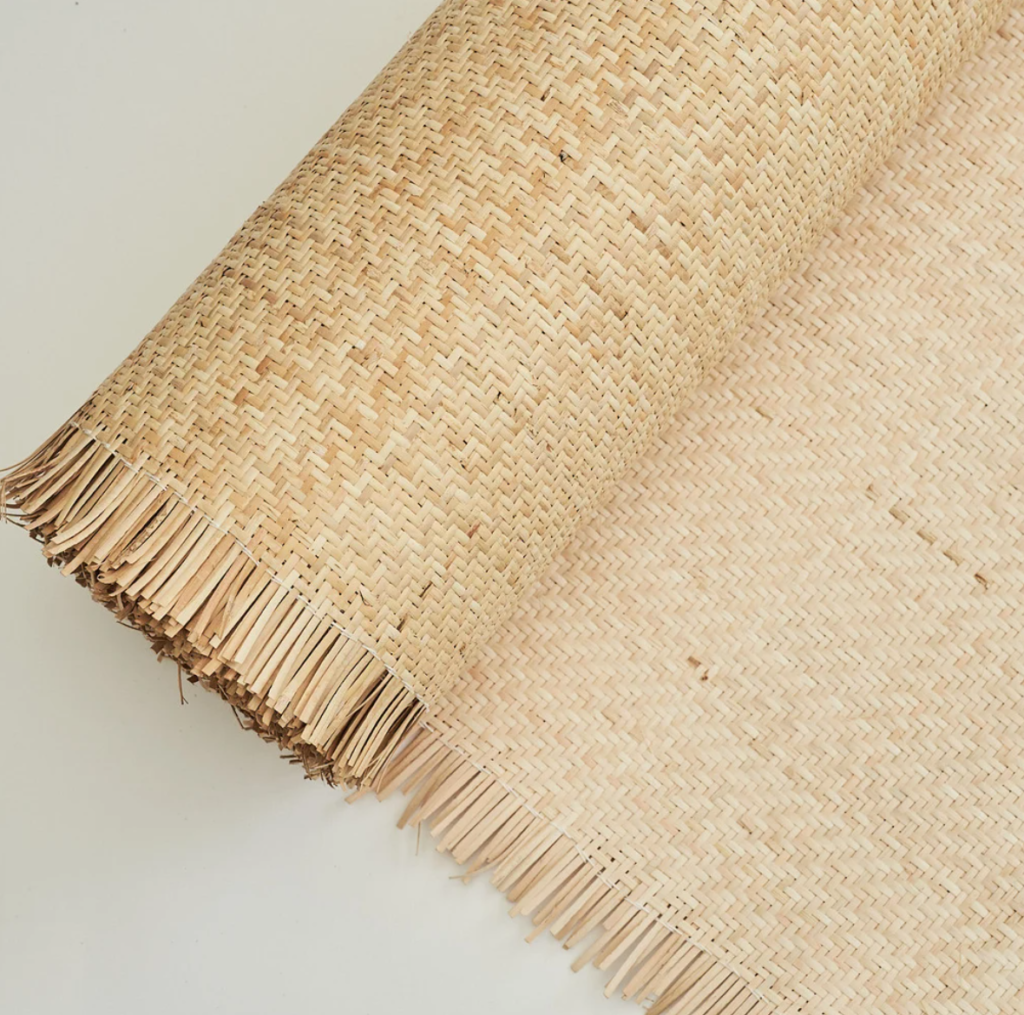
Natural Rattan Sheet Hexagonal Hole White Color
https://danubedecor.com/blog/everything-about-rattan-cane-webbing-roll/
Environmental Impact
Natural rattan stands out as a sustainable option due to its biodegradable nature and low environmental footprint during harvesting. Plastic rattan, although durable, relies on synthetic materials that contribute to long-term waste. Choosing between natural rattan and plastic rattan often depends on whether environmental responsibility outweighs the need for longevity.
Comfort and User Experience
Natural rattan roll offers a breathable surface that adapts well to temperature changes, enhancing comfort in everyday use. Plastic rattan roll, while sturdy, may feel less natural to the touch, especially in extreme heat. In spaces where tactile experience matters, natural rattan roll tends to create a more inviting seating option than plastic rattan roll.
Cost Considerations
Natural rattan roll furniture often carries a higher price due to craftsmanship and material sourcing. Plastic rattan roll usually comes at a more affordable range, making it accessible for larger setups or outdoor projects. Budget-conscious buyers may lean toward plastic rattan roll, while those valuing authenticity may justify the cost of natural rattan roll.
Versatility in Design Applications
Natural rattan roll integrates seamlessly into bohemian, tropical, or rustic interiors, offering flexibility in creative styling. Plastic rattan roll adapts well to contemporary outdoor arrangements, especially in patios and poolside settings. Both natural rattan and plastic rattan provide design versatility, but each aligns better with different aesthetic goals.
Final Decision: Which One Should You Choose?
Natural rattan roll and plastic rattan roll each bring distinct strengths to the table. If your priority lies in sustainability, texture, and indoor elegance, natural rattan becomes the clear choice. If you need resilience, low maintenance, and outdoor functionality, plastic rattan stands out as the better option. By understanding how natural rattan and plastic rattan perform across different factors, you can confidently select the material that fits your lifestyle and design vision.