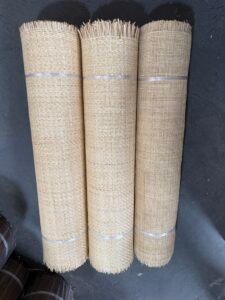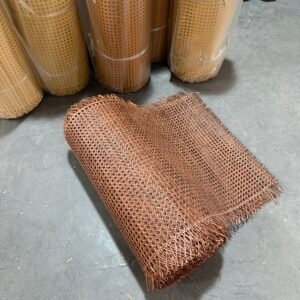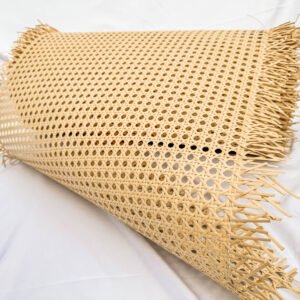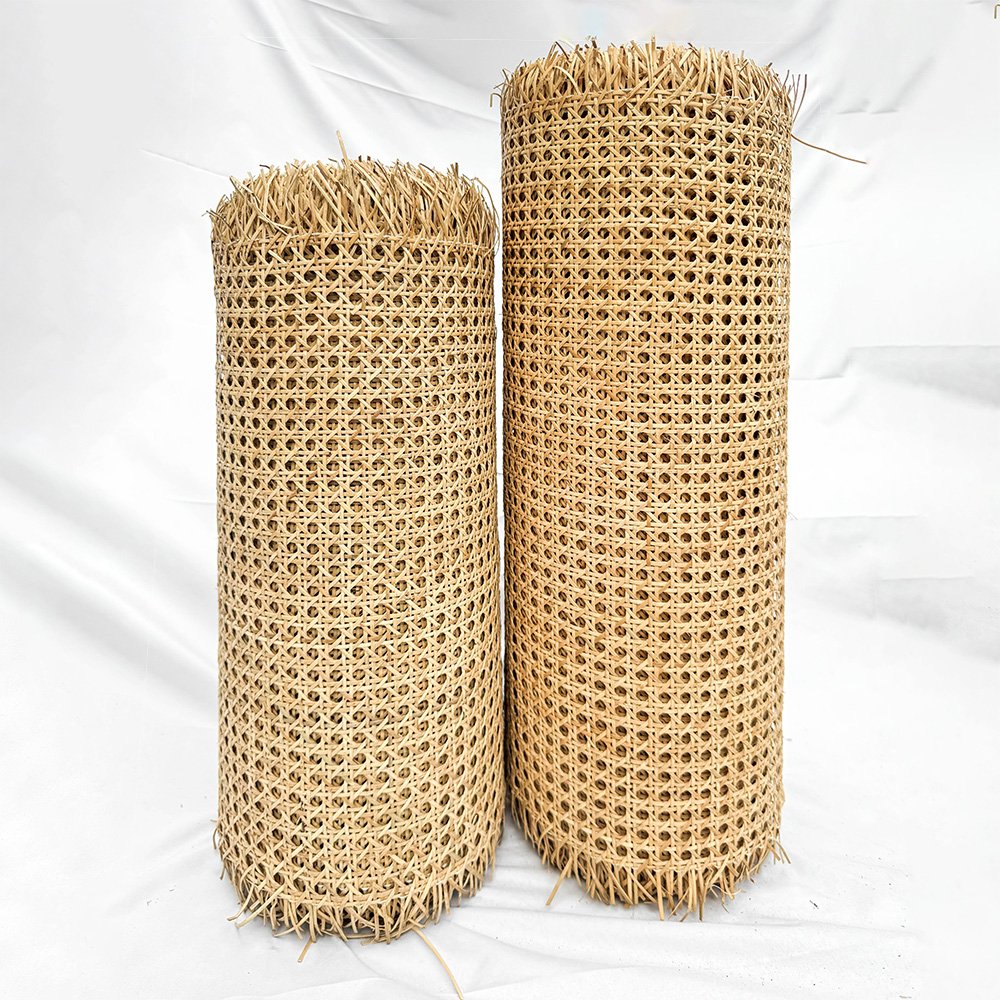
In the interior design landscape of 2026, we no longer define luxury by price tags, but by “material intentionality.” As urban dwellers seek to bridge the gap between their digital lives and the physical world, two textures dominate the conversation. We see natural rattan grounding our sensory experiences with organic warmth, while plastic rattan provides the structural backbone for our high-velocity, modern lifestyles. Choosing between them requires more than a simple comparison; it demands an understanding of how these two distinct mediums interact with our environment, our ethics, and our future.
Understanding Natural Rattan and Plastic Rattan at a Glance
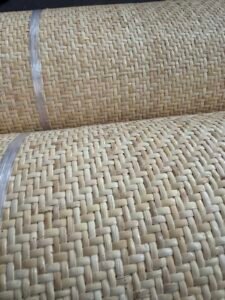
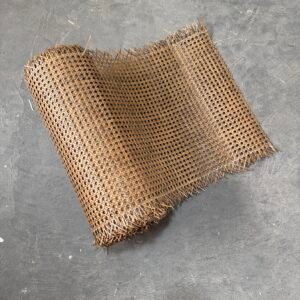
Natural rattan and plastic rattan often appear similar at first glance, yet they serve different purposes and lifestyles. Natural rattan comes from climbing palm plants and carries an organic texture that reflects craftsmanship and tradition. In contrast, plastic rattan is a synthetic alternative designed to mimic the appearance of natural fibers while offering modern durability. When comparing natural rattan and plastic rattan, the decision depends on how you value authenticity versus convenience.
Aesthetic Appeal: Natural Rattan vs Plastic Rattan in Design
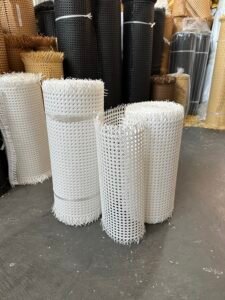
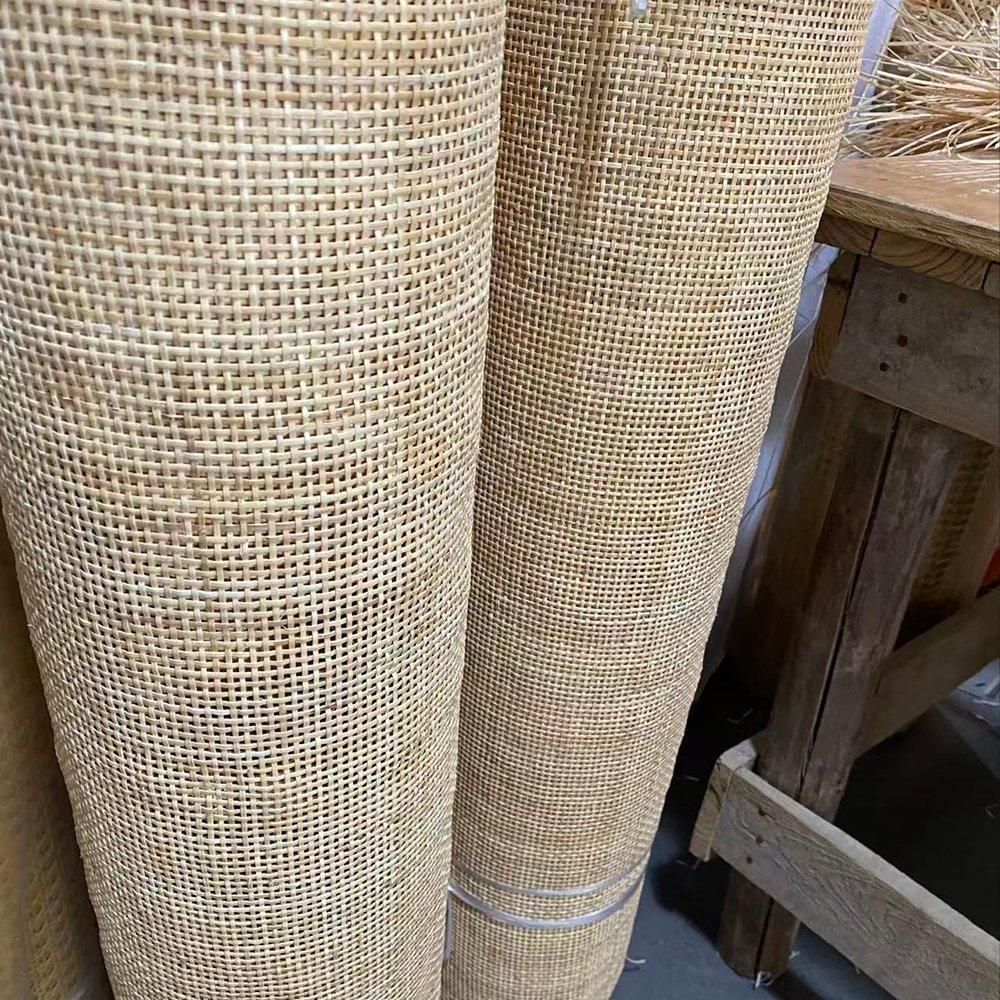
Natural rattan brings warmth and a handcrafted charm that enhances indoor environments with a timeless, earthy feel. Designers often favor natural rattan for its subtle variations and unique imperfections. On the other hand, plastic rattan provides a more uniform and polished look, making it suitable for contemporary outdoor settings. While natural rattan tells a visual story through its organic patterns, plastic rattan delivers consistency and flexibility in color and style.
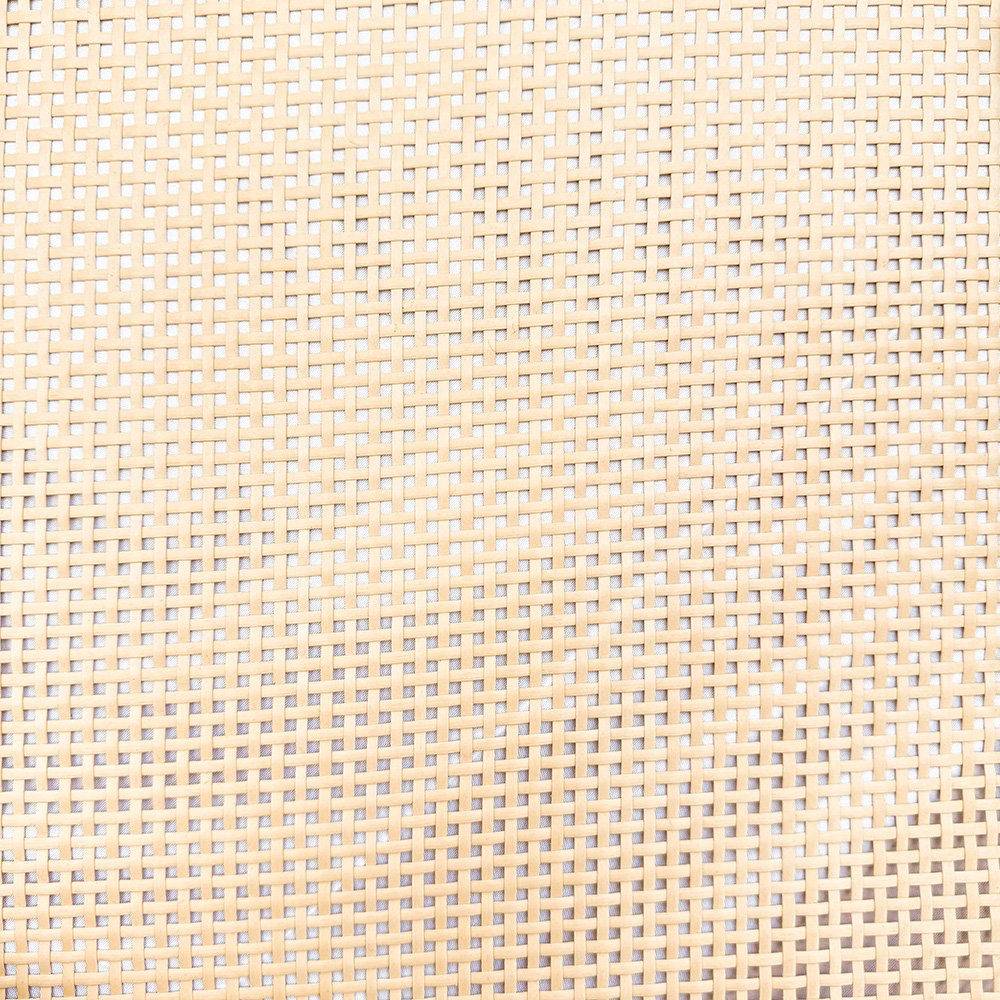
Natural Rattan Sheet Hexagonal Hole White Color
https://danubedecor.com/blog/everything-about-rattan-cane-webbing-roll/
Durability Comparison Between Natural Rattan and Plastic Rattan
Natural rattan performs best in controlled indoor conditions, where humidity and weather exposure remain minimal. Over time, natural rattan may weaken if placed outdoors without protection. Plastic rattan, however, resists moisture, UV rays, and temperature changes, making it ideal for patios and gardens. In environments where weather resistance matters, plastic rattan clearly holds an advantage over natural rattan.
Maintenance Needs: Natural Rattan vs Plastic Rattan Care
Natural rattan requires gentle care to maintain its structure and appearance. Regular dusting and occasional conditioning help preserve its lifespan. Plastic rattan simplifies maintenance, as it can be cleaned easily with water and mild soap. While natural rattan demands attention to detail, plastic rattan supports a more practical, low-effort routine for busy lifestyles.
Sourcing Natural Rattan and Scaling Plastic Rattan
The global trade tensions of the mid-2020s have turned material sourcing into a political statement. Because natural rattan grows primarily in specific Southeast Asian corridors, purchasing it supports traditional weaving communities and protects the artisanal heritage of those regions. Meanwhile, the rise of “localized manufacturing” allows high-tech hubs to extrude plastic rattan using domestic solar power, significantly reducing the carbon footprint associated with international shipping. You must choose between supporting the rare, exotic origin embedded in natural rattan and the technological independence offered by locally produced plastic rattan, a decision that impacts global economies far beyond your own front door.
Nano-Enhanced Natural Rattan and Bio-Mimetic Plastic Rattan
As we look toward the 2030s, technology starts to blur the boundaries between these two rivals. Scientists now apply invisible, bio-based nano-coatings to natural rattan to grant it the moisture-shielding “superpowers” typically found in synthetics. Simultaneously, AI-driven extrusion allows factories to create plastic rattan with variegated color tones and microscopic “hairy” textures so realistic they fool even the trained eye. This convergence suggests a future where designers use natural rattan for its creative inspiration and plastic rattan for its industrial scale, effectively erasing the sensory gap between the forest-grown vine and the lab-perfected polymer.
Conclusion: Curating Your Material Ecosystem
Ultimately, the choice for 2026 is not about which material is superior, but which one serves your immediate intent. Natural rattan remains the undisputed king of emotional resonance, a material that lives, breathes, and ages alongside its owner. Yet, plastic rattan stands as a triumph of human ingenuity, offering a maintenance-free, resilient alternative that defies the elements. By strategically placing natural rattan in your most intimate spaces and deploying plastic rattan on your most active terraces, you build a home that is both spiritually grounded and physically resilient.