Understanding Natural Rattan and Plastic Rattan
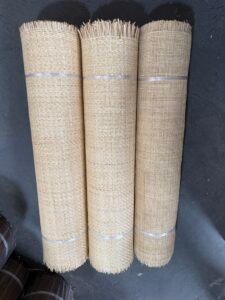
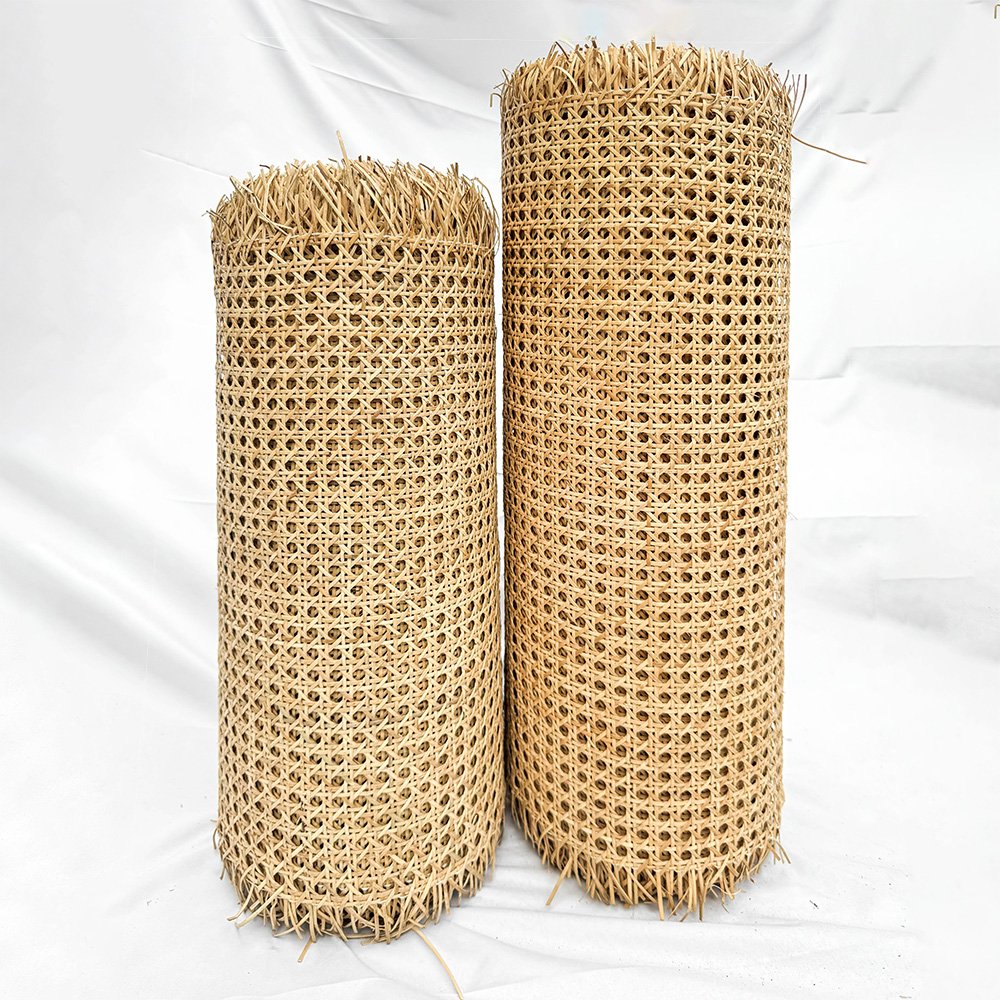
Natural rattan and plastic rattan both serve as popular materials in furniture and décor, yet they offer distinctly different experiences. Natural rattan comes from climbing palm plants and brings an organic, warm texture into spaces. In contrast, plastic rattan is a synthetic alternative designed to mimic the look of natural fibers while offering enhanced durability. Choosing between natural rattan and plastic rattan begins with understanding how each material fits your lifestyle and environment.
Natural Rattan Sourcing and Plastic Rattan Circularity
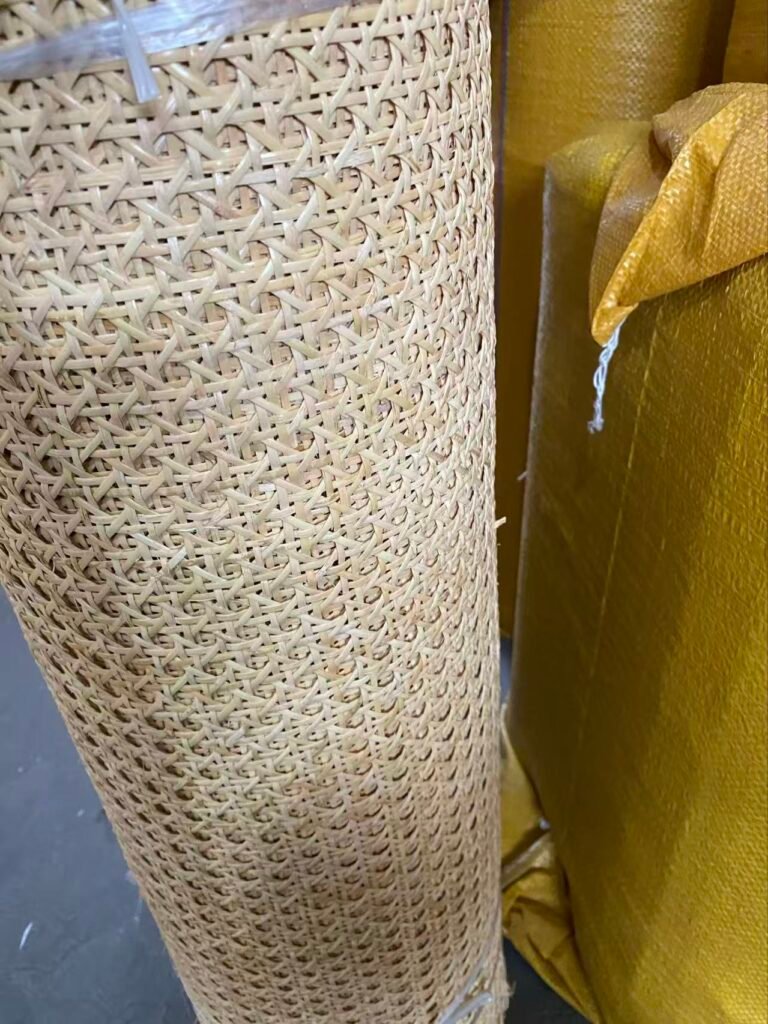
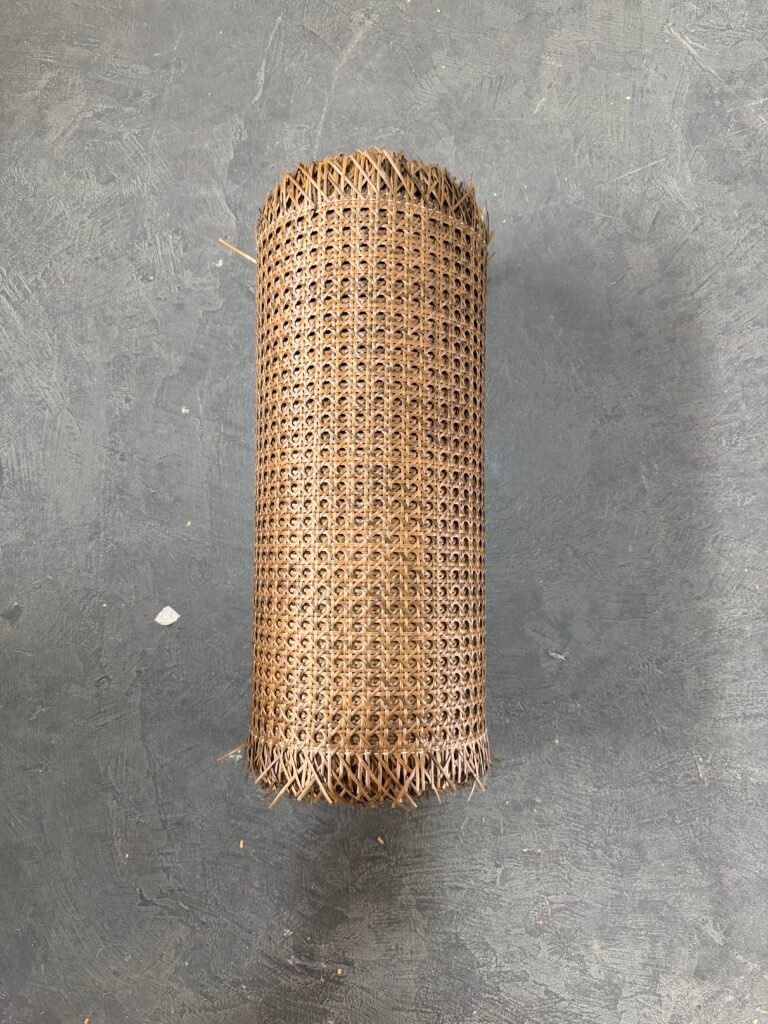
Natural rattan delivers a timeless, handcrafted charm that many homeowners find irresistible. Its subtle variations in color and texture create a sense of authenticity that plastic rattan cannot fully replicate. On the other hand, plastic rattan offers consistent finishes and modern styling options, making it suitable for sleek, contemporary designs. When visual impact matters most, natural rattan feels warm and inviting, while plastic rattan provides a polished and uniform appearance.
Durability Comparison of Natural Rattan and Plastic Rattan
Durability often determines whether natural rattan or plastic rattan becomes the better choice. Natural rattan performs best in indoor settings where humidity and sunlight remain controlled. Exposure to harsh weather can weaken its fibers over time. Plastic rattan, however, is engineered to resist UV rays, moisture, and temperature fluctuations. For outdoor furniture or long-term use, plastic rattan stands out as the more resilient option, while natural rattan suits protected environments.
Indoor Natural Rattan and All-Weather Plastic Rattan
Maintenance requirements differ significantly between natural rattan and plastic rattan. Natural rattan demands careful cleaning and occasional conditioning to preserve its flexibility and prevent cracking. It benefits from gentle handling and regular upkeep. Plastic rattan, by contrast, requires minimal effort; a simple wipe with a damp cloth usually keeps it looking fresh. For those seeking convenience, plastic rattan offers an easier maintenance routine, whereas natural rattan rewards attentive care with lasting beauty.
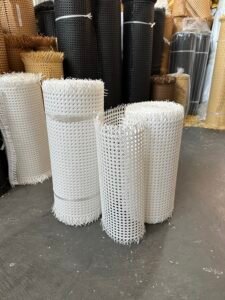
Natural Rattan Sheet Hexagonal Hole White Color
https://rattanweave.com/product/artificial-weave-rattan-cane-webbing-sheet/
https://danubedecor.com/blog/everything-about-rattan-cane-webbing-roll/
Environmental Impact of Natural Rattan and Plastic Rattan
Sustainability plays a growing role in material selection, and natural rattan and plastic rattan reflect different environmental footprints. Natural rattan is biodegradable and harvested from renewable sources, making it an eco-friendly choice when responsibly sourced. Plastic rattan relies on synthetic materials, which may contribute to environmental concerns if not recycled properly. While plastic rattan can last longer, natural rattan aligns better with environmentally conscious lifestyles.
Cost Considerations: Natural Rattan vs Plastic Rattan
Budget often influences the decision between natural rattan and plastic rattan. Natural rattan products can vary in price depending on craftsmanship and quality, sometimes reaching higher price points due to their handmade nature. Plastic rattan typically offers more affordable and consistent pricing, especially for large furniture sets. For buyers balancing cost and longevity, plastic rattan provides value, while natural rattan appeals to those willing to invest in authenticity.
Comfort and Feel: Natural Rattan Compared to Plastic Rattan
Comfort also distinguishes natural rattan from plastic rattan. Natural rattan feels softer and more breathable, making it comfortable in warm climates. Its natural fibers adapt slightly to body weight, enhancing the seating experience. Plastic rattan, although sturdy, can feel firmer and less forgiving. However, it often pairs with cushions to improve comfort. When tactile experience matters, natural rattan delivers a more organic feel, while plastic rattan focuses on structure and stability.
Best Use Cases for Natural Rattan and Plastic Rattan
Natural rattan and plastic rattan each excel in specific applications. Natural rattan fits beautifully in indoor living rooms, bedrooms, and covered patios where it remains protected. Plastic rattan performs best in outdoor settings such as gardens, balconies, and poolside areas due to its weather resistance. By matching the material to the environment, both natural rattan and plastic rattan can achieve optimal performance and longevity.
Final Decision: Choosing Between Natural Rattan and Plastic Rattan
Selecting between natural rattan and plastic rattan ultimately depends on priorities. Natural rattan offers authenticity, sustainability, and comfort, making it ideal for interior spaces and eco-conscious buyers. Plastic rattan provides durability, low maintenance, and affordability, making it suitable for outdoor use and busy lifestyles. By weighing aesthetics, function, and care requirements, the right choice between natural rattan and plastic rattan becomes clear.
Conclusion: Curating Your Material Ecosystem
Ultimately, the choice for 2026 is not about which material is superior, but which one serves your immediate intent. Natural rattan remains the undisputed king of emotional resonance, a material that lives, breathes, and ages alongside its owner. Yet, plastic rattan stands as a triumph of human ingenuity, offering a maintenance-free, resilient alternative that defies the elements. By understanding the distinct lifecycle of both natural rattan and plastic rattan, you can build a home that is both spiritually grounded and physically resilient.