In 2026, every furniture purchase represents a vote for a specific environmental future. Natural rattan thrives as a champion of forest conservation; because these vines require a healthy rainforest canopy to grow, their harvest provides an economic incentive to protect tropical biodiversity. On the other side of the ethical ledger, the synthetic industry has transformed plastic rattan into a cornerstone of the circular economy. Leading manufacturers now utilize ocean-bound plastics to create high-tensile weaves that homeowners can eventually return to the factory for chemical recycling. Choosing natural rattan supports immediate carbon sequestration in the jungle, while selecting premium plastic rattan helps purge the world’s waterways of non-biodegradable waste.
The Organic Texture of Natural Rattan vs. Plastic Rattan Consistency
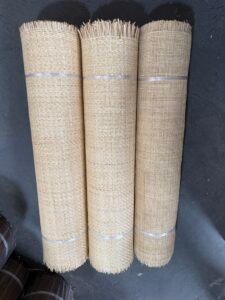
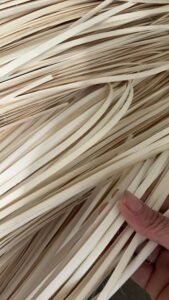
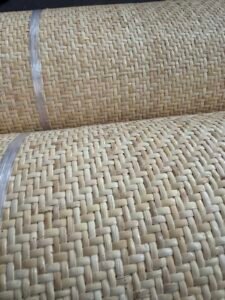
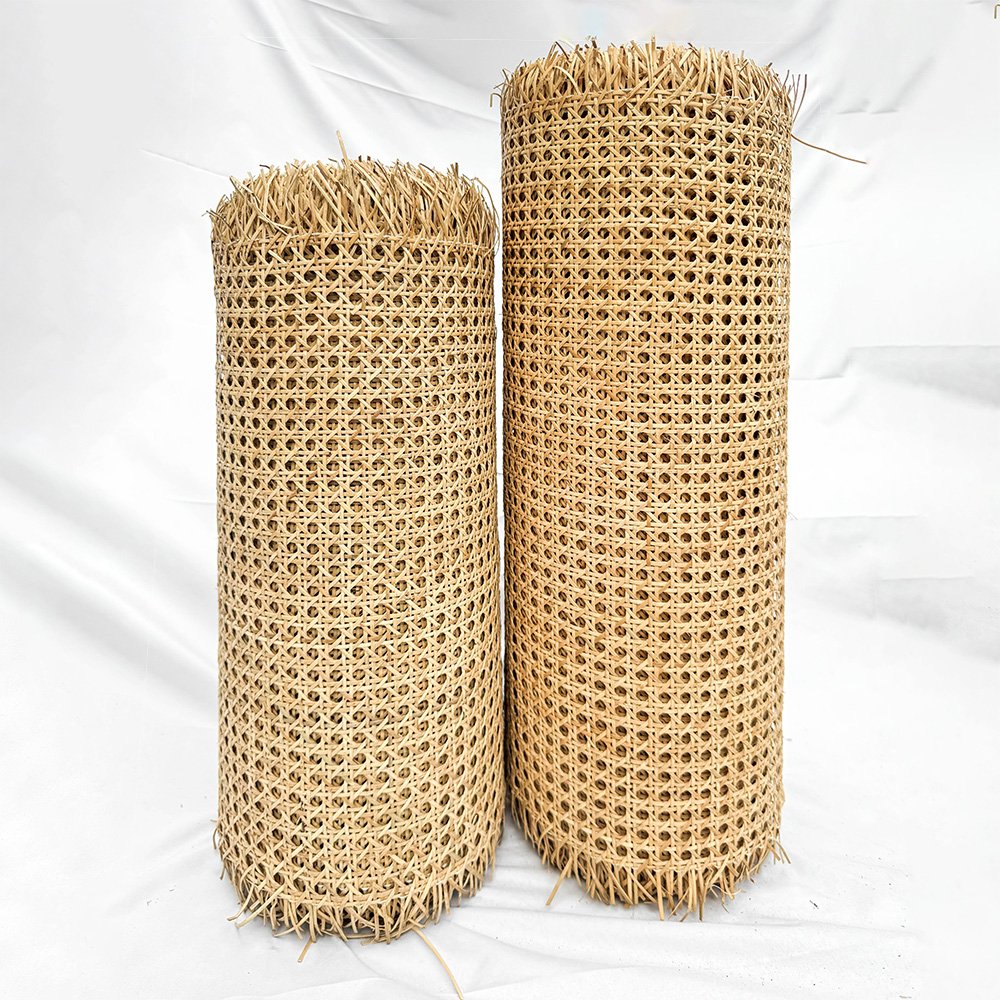
Natural rattan charms with its unique, organic texture. Each piece carries slight variations in color and weave, telling a story of its natural origin. This material adds warmth and character to living rooms, sunrooms, or bohemian-inspired interiors. In contrast, plastic rattan provides a uniform and consistent appearance. Its smooth, even finish suits modern, minimalist, or outdoor settings where a clean and controlled look takes priority.
Natural Rattan Carbon Sinks and Plastic Rattan Circularity
Plastic rattan excels in durability, especially outdoors. It withstands sun, rain, and humidity without fading, cracking, or rotting. This makes it a practical choice for patios, balconies, and poolside areas. On the other hand, natural rattan demands more care. While sturdy indoors, prolonged exposure to moisture or direct sunlight can weaken its fibers. For indoor or covered outdoor use, however, high-quality natural rattan can last for years with proper maintenance.
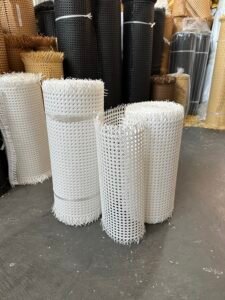
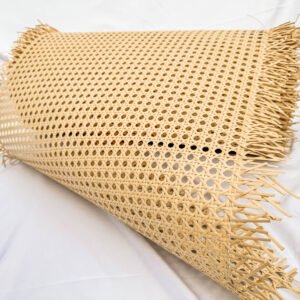
Natural Rattan Sheet Hexagonal Hole White Color
https://rattanweave.com/product/artificial-weave-rattan-cane-webbing-sheet/
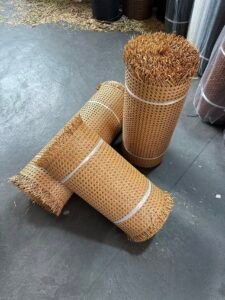
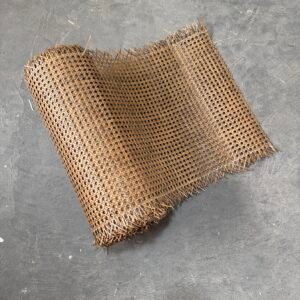
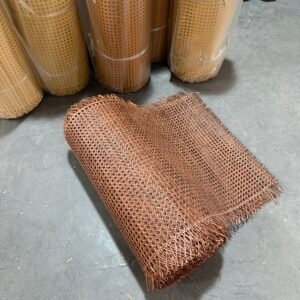
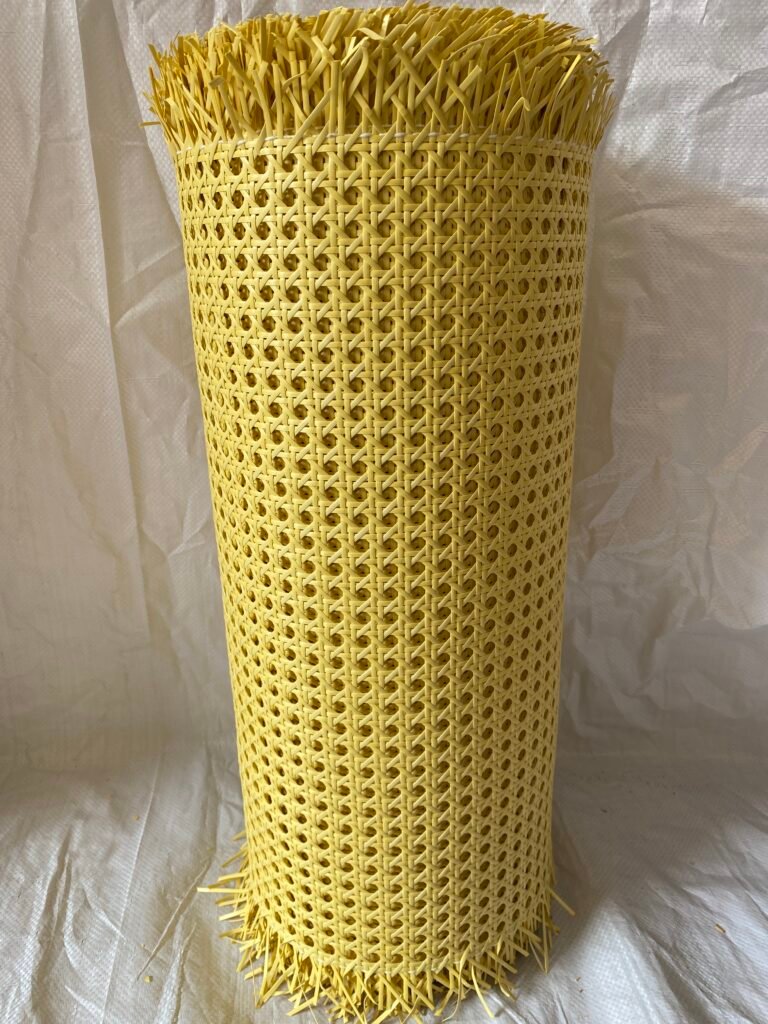
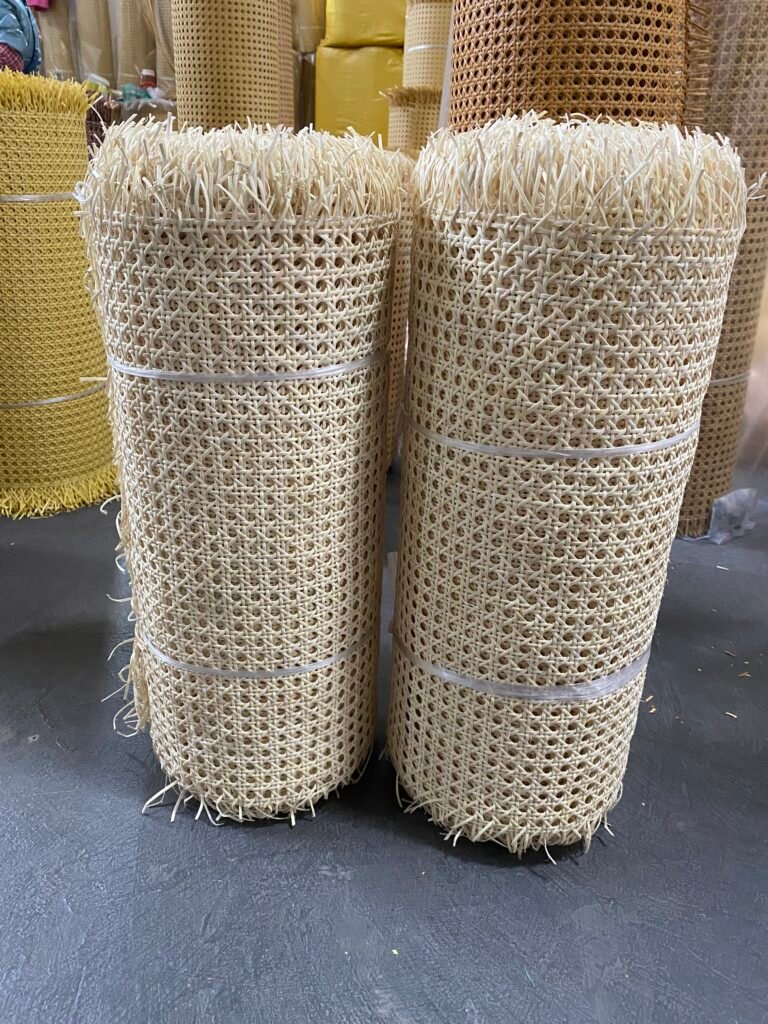
Artificial Plastic Rattan Square Woven 5*5mm Coffee Color
https://danubedecor.com/blog/everything-about-rattan-cane-webbing-roll/
Indoor Natural Rattan vs. High-Exposure Plastic Rattan
Natural rattan comes from a renewable resource—climbing palms that regenerate relatively quickly. When sourced responsibly, it represents a biodegradable and eco-friendly option. Conversely, plastic rattan relies on synthetic materials like polyethylene, which involve fossil fuels in production. While not biodegradable, some manufacturers now use recycled plastics, offering a more sustainable version of this durable material.
Comfort and Practical Use
In terms of comfort, natural rattan tends to feel warmer and more breathable, adapting well to indoor climates. Its slight flexibility can also provide a gentle give when used in seating. Plastic rattan often feels firmer, though many designs incorporate cushions for added comfort. For outdoor or high-moisture environments, plastic rattan offers clear practical advantages due to its resistance to weathering.
Making Your Decision
Your final choice depends on location, lifestyle, and preference. If you value natural beauty, sustainability, and an organic aesthetic for indoor or sheltered spaces, natural rattan could be your ideal match. For low-maintenance, all-weather performance in outdoor areas, plastic rattan might serve you better. Some homeowners even blend both—using plastic rattan outdoors and natural rattan indoors—to enjoy the best of each material.