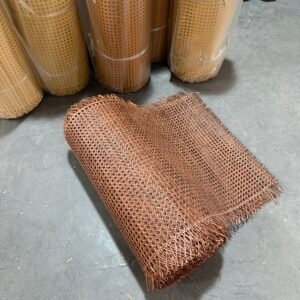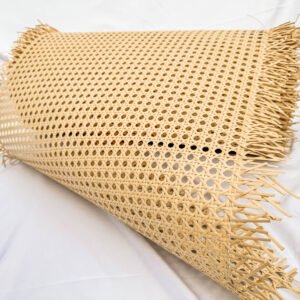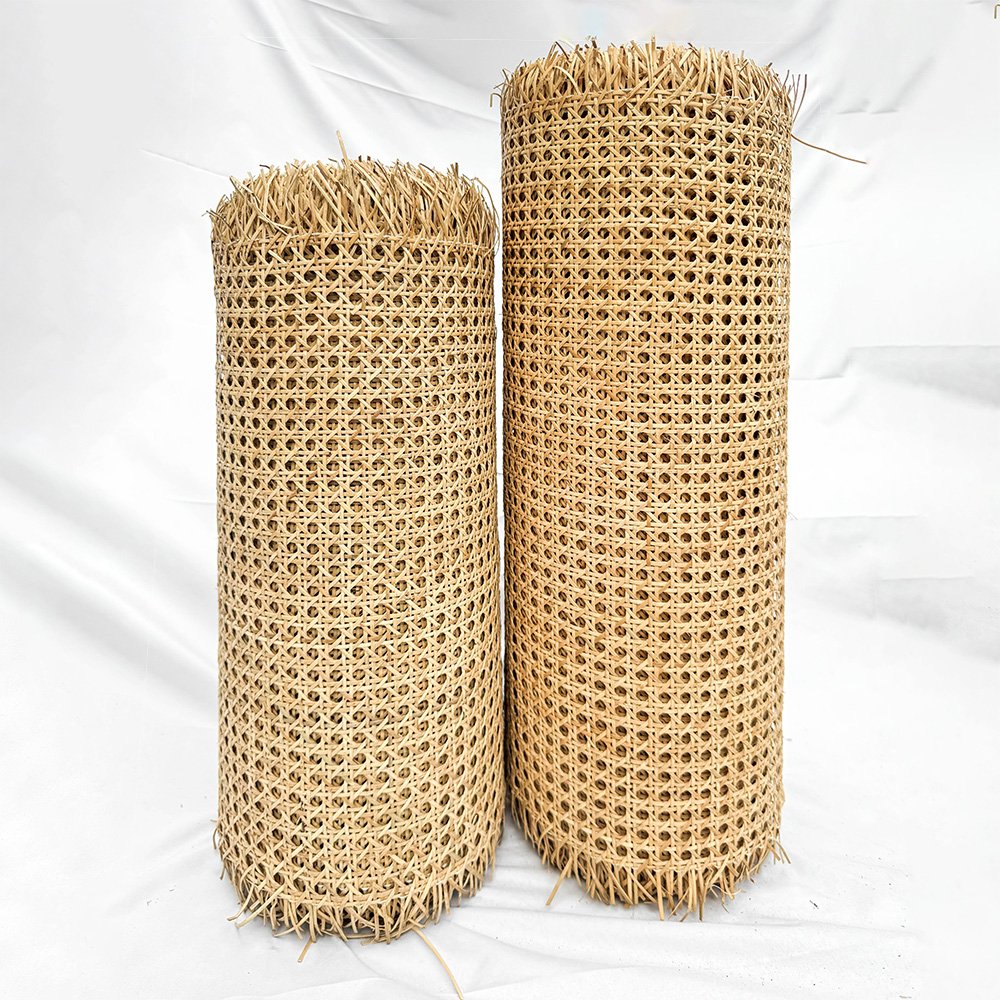
As we step further into the design era of 2026, the global furniture market experiences a “textural awakening.” Urban dwellers increasingly reject the cold, flat surfaces of the early 2020s in favor of the rhythmic, organic complexity of woven fibers. This shift forces a sophisticated choice: do we embrace the artisanal soul of natural rattan roll or do we lean into the high-performance resilience of plastic rattan roll? To build a home that feels both timeless and functional, you must look beyond the surface and understand how these two materials interact with your space, your schedule, and your spirit.
Understanding Natural Rattan roll and Plastic Rattan roll
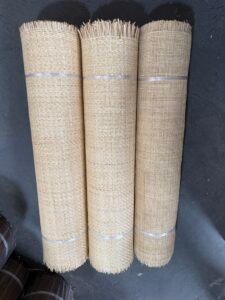
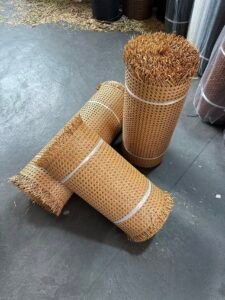
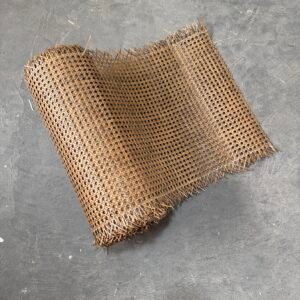
Natural rattan comes from climbing palm plants and brings an organic texture that many designers value for its authenticity. Plastic rattan roll, on the other hand, uses synthetic fibers to mimic that look while offering modern durability. When comparing natural rattan and plastic rattan, you immediately notice a contrast between tradition and innovation. Natural rattan reflects craftsmanship and heritage, while plastic rattan emphasizes practicality and consistency. This fundamental difference shapes how each material performs in everyday use.
Aesthetic Appeal: Natural Rattan roll vs Plastic Rattan roll
Natural rattan creates a warm, earthy tone that blends seamlessly with indoor and rustic environments. Its subtle variations give each piece a unique character. Plastic rattan replicates that appearance but often looks more uniform and controlled. While natural rattan delivers authenticity, plastic rattan roll provides flexibility in color and design. If you want a handcrafted feel, natural rattan stands out; if you prefer a sleek, predictable style, plastic rattan offers more control.
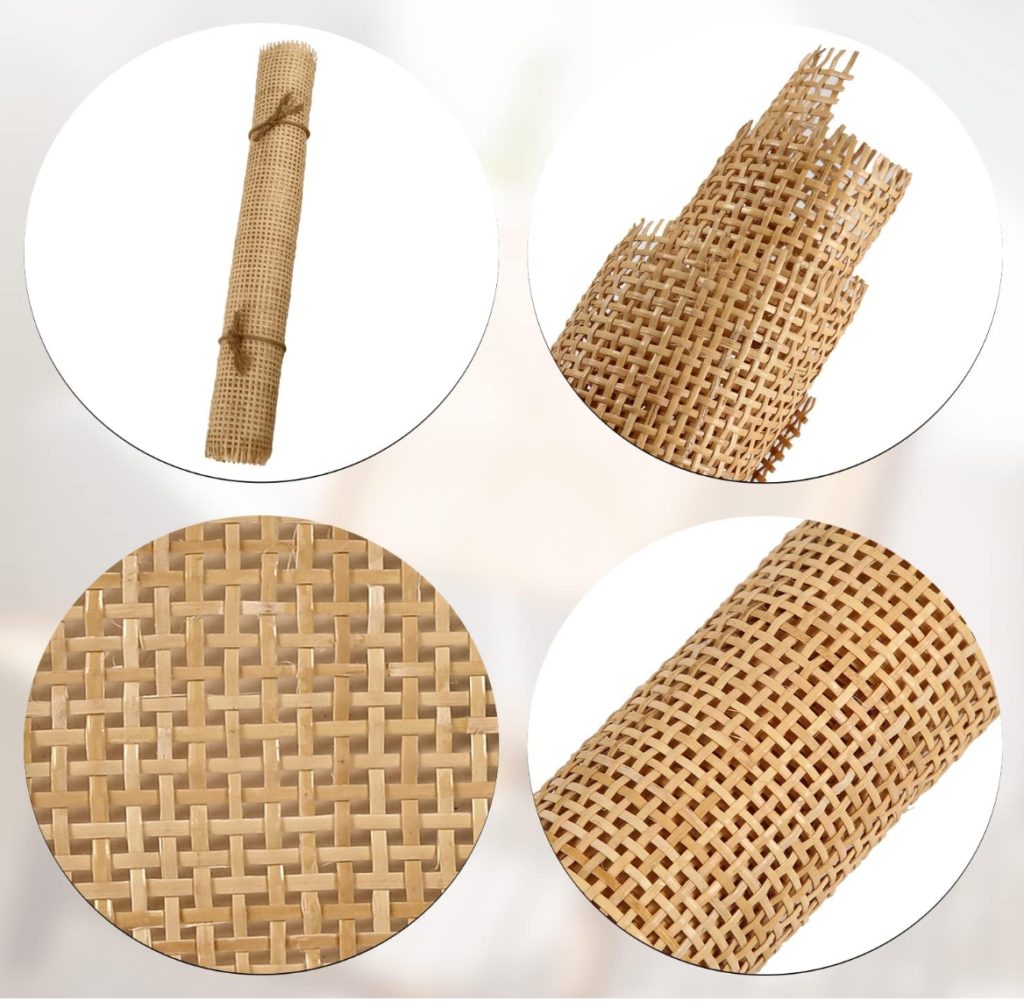
Durability and Weather Resistance
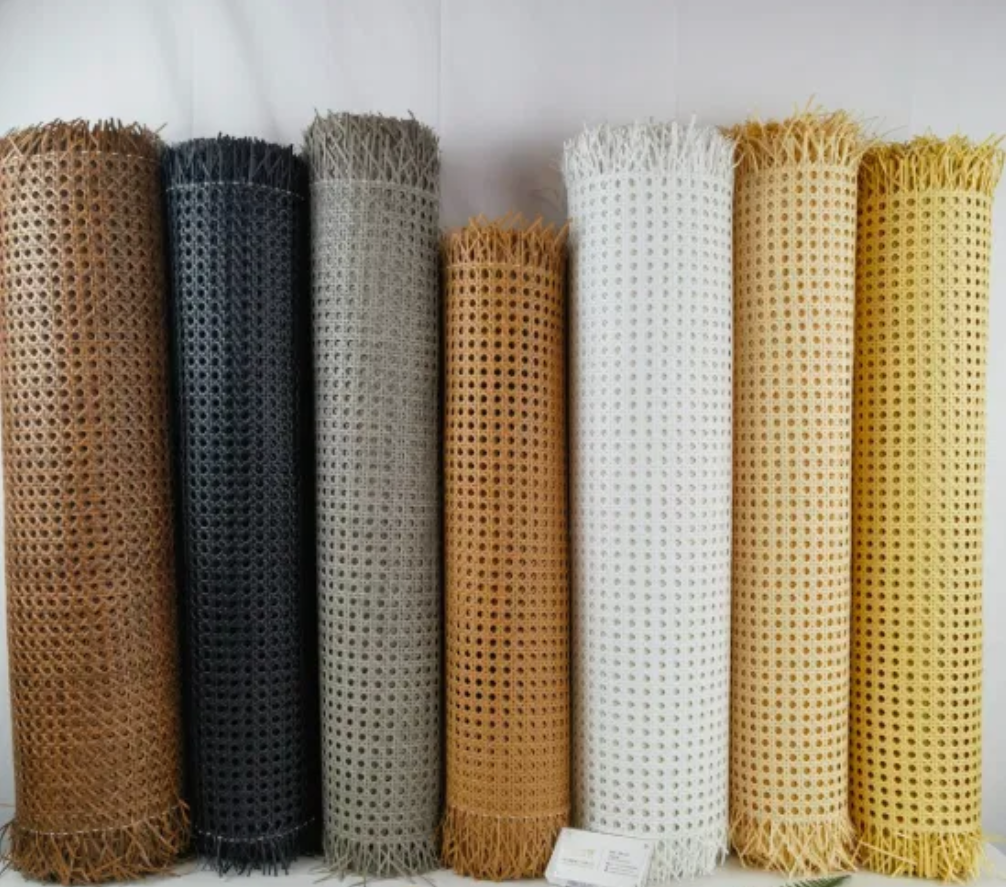
Natural rattan roll performs best in dry, indoor conditions where it avoids moisture and direct sunlight. Plastic rattan roll handles outdoor exposure much better, resisting rain, UV rays, and temperature changes. When you compare natural rattan and plastic rattan in terms of durability, plastic rattan clearly suits patios and gardens, while natural rattan thrives in protected spaces. Your environment should guide your decision here
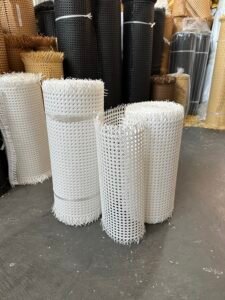
Natural Rattan Sheet Hexagonal Hole White Color
https://rattanweave.com/product/artificial-weave-rattan-cane-webbing-sheet/
https://danubedecor.com/blog/everything-about-rattan-cane-webbing-roll
Maintenance and Care Requirements
Natural rattan requires regular care to maintain its structure and appearance. Dusting, occasional conditioning, and protection from humidity help extend its lifespan. Plastic rattan roll demands far less effort, as you can clean it with simple wiping or rinsing. Between natural rattan and plastic rattan, the latter wins for convenience. However, those who enjoy preserving natural materials may still appreciate the care routine that natural rattan involves.
Sustainability and Environmental Impact
Natural rattan grows quickly and supports sustainable harvesting practices, making it an eco-friendly choice. Plastic rattan roll, typically made from synthetic polymers, raises concerns about long-term environmental impact. When weighing natural rattan and plastic rattan, sustainability often favors natural rattan, especially for eco-conscious buyers. Still, some manufacturers now produce recycled plastic rattan, which helps reduce its footprint.
Comfort and User Experience
Natural rattan offers a slightly softer and more breathable surface, which enhances comfort in indoor seating. Plastic rattan tends to feel firmer and may retain heat when exposed to sunlight. Comparing natural rattan and plastic rattan roll in daily use, natural rattan often feels more inviting, while plastic rattan prioritizes resilience. Comfort preferences may vary depending on climate and intended use.
Cost and Long-Term Value
Natural rattan often costs more due to its handcrafted nature and material sourcing. Plastic rattan roll typically comes at a lower price point and offers longer durability outdoors. When deciding between natural rattan and plastic rattan, you should consider both upfront cost and long-term value. Natural rattan may justify its price through aesthetics, while plastic rattan provides cost efficiency over time.
Final Decision: Natural Rattan or Plastic Rattan roll?
Natural rattan and plastic rattan roll each serve distinct purposes, and neither option universally outperforms the other. Natural rattan suits indoor spaces where aesthetics and sustainability matter most. Plastic rattan fits outdoor environments where durability and low maintenance take priority. By aligning your needs with the strengths of natural rattan and plastic rattan, you can make a confident and informed choice.