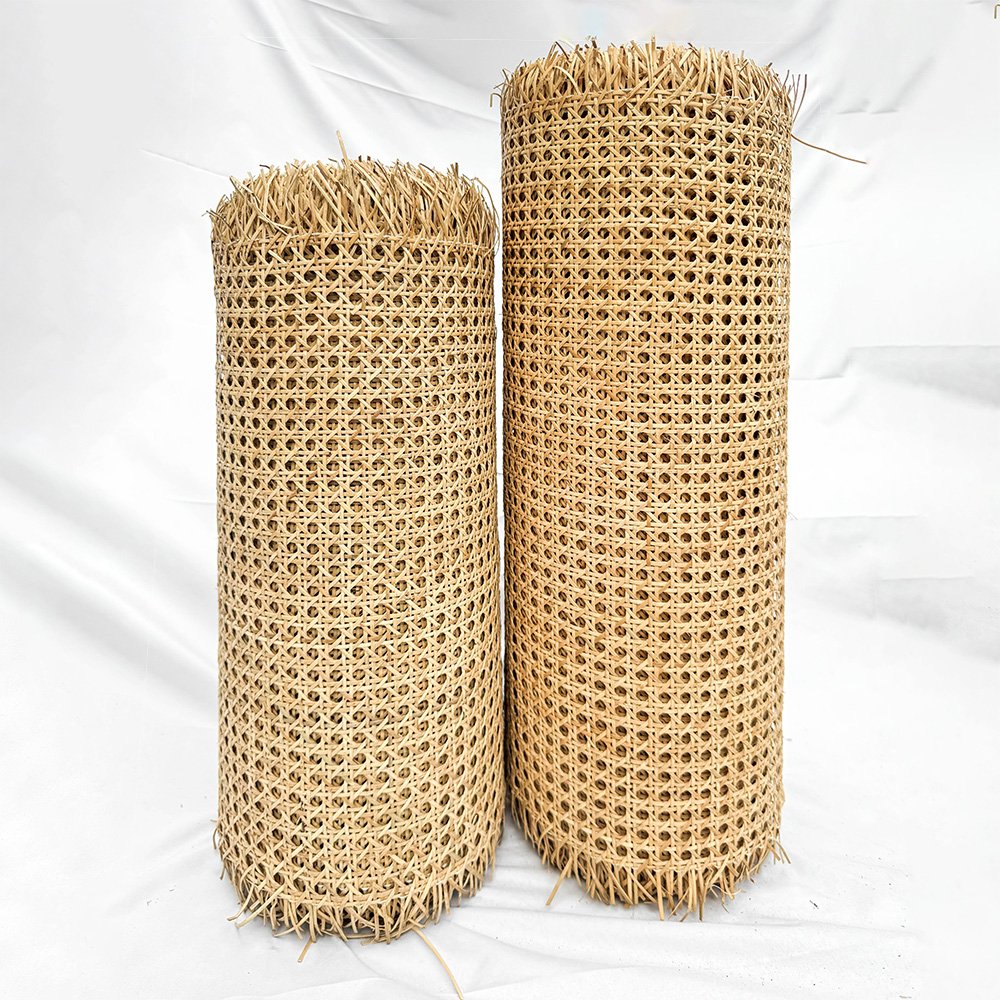
Natural rattan roll comes from fast-growing tropical vines, while plastic rattan uses synthetic materials designed to mimic that organic look. When you compare natural rattan and plastic rattan, you immediately notice differences in texture, origin, and overall feel. Natural rattan delivers authenticity and warmth, whereas plastic rattan roll focuses on consistency and modern manufacturing. This foundational distinction shapes every other factor in your decision.
Natural Rattan Carbon Sinks and Plastic Rattan Circularity
Natural rattan offers a rich, handcrafted appearance that brings depth and character into any space. Designers often choose it for interiors that emphasize warmth and authenticity. In contrast, plastic rattan maintains a uniform look, which suits minimalist or contemporary settings. While natural rattan highlights imperfections as part of its charm, plastic rattan ensures a polished and predictable finish across all pieces.

Indoor Natural Rattan vs. High-Exposure Plastic Rattan
Natural rattan performs best in controlled indoor environments, where humidity and sunlight remain stable. Prolonged exposure to harsh weather can weaken its structure over time. Plastic rattan, however, handles outdoor conditions with ease, resisting moisture, UV rays, and temperature changes. If you prioritize longevity in outdoor settings, plastic rattan provides a more reliable solution, while natural rattan excels indoors.
Maintenance and Care Requirements
Natural rattan requires gentle care to maintain its integrity. Regular dusting and occasional conditioning help preserve its natural fibers. Plastic rattan simplifies maintenance with easy cleaning—often just a quick wipe with a damp cloth. This difference makes plastic rattan more practical for busy lifestyles, whereas natural rattan appeals to those who enjoy caring for authentic materials.
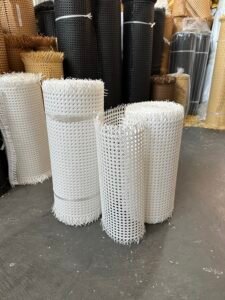
Natural Rattan Sheet Hexagonal Hole White Color
https://rattanweave.com/product/artificial-weave-rattan-cane-webbing-sheet/
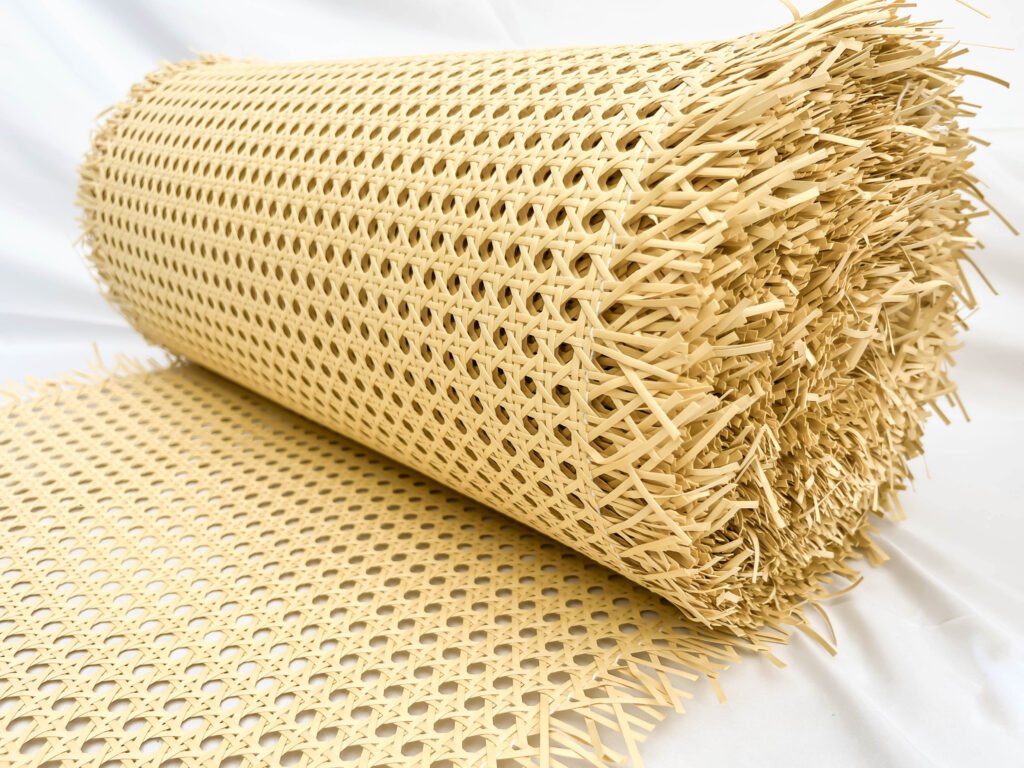
Plastic Rattan Webbing Red-Brown Color
https://danubedecor.com/blog/everything-about-rattan-cane-webbing-roll
Environmental Impact and Sustainability
Natural rattan stands out as a renewable resource that supports sustainable harvesting practices. Its biodegradability adds to its eco-friendly appeal. Plastic rattan, on the other hand, relies on synthetic production processes, which can raise environmental concerns. However, some manufacturers now incorporate recycled materials into plastic rattan, narrowing the sustainability gap. Your values will influence whether natural rattan or plastic rattan aligns better with your priorities.
Comfort and User Experience
Natural rattan adapts well to indoor comfort, often paired with cushions for a cozy seating experience. Its breathable structure enhances relaxation in shaded environments. Plastic rattan, while slightly firmer, provides consistent support and works well in both indoor and outdoor settings. When you compare natural rattan and plastic rattan in terms of comfort, the intended usage environment plays a key role.
Cost Considerations and Value
Natural rattan furniture often comes with a higher upfront cost due to craftsmanship and material sourcing. It offers long-term value through its unique aesthetic and timeless appeal. Plastic rattan typically costs less and delivers durability that reduces replacement frequency. If budget flexibility matters, plastic rattan presents an accessible option, while natural rattan justifies its price through authenticity and design value.
Making the Right Choice for Your Space
Natural rattan suits indoor spaces that celebrate texture, warmth, and sustainability. Plastic rattan fits environments that demand resilience, low maintenance, and versatility. When you evaluate natural rattan and plastic rattan together, consider your lifestyle, location, and design goals. Each material brings distinct advantages, and the right choice depends on how you plan to use and enjoy your space.
Final Thoughts on Natural Rattan and Plastic Rattan
Natural rattan and plastic rattan each offer unique strengths without directly replacing one another. Natural rattan delivers authenticity and environmental benefits, while plastic rattan provides durability and convenience. By understanding these differences, you can confidently choose the material that complements your needs and enhances your living environment.