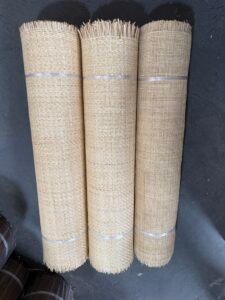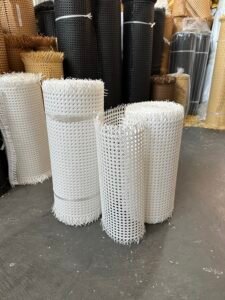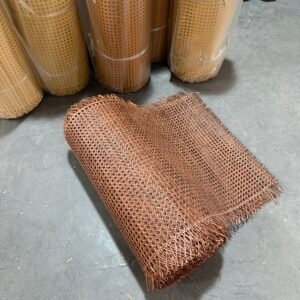
When curating a modern home, interior design enthusiasts often face a critical crossroads regarding woven furniture. The current market presents a stark choice between honoring organic authenticity and embracing synthetic engineering. To build a space that truly reflects your lifestyle, you must look beyond surface aesthetics and aggressively evaluate material performance. This guide decodes the ongoing debate between natural rattan and plastic rattan, breaking down their unique traits across distinct lifestyle factors. By analyzing these core differences without marketing fluff, you can confidently select the material that perfectly aligns with your daily reality and long-term vision.
The Aesthetic Identity: Soul vs. Precision
The fundamental vibe of a room begins directly with tactile authenticity. Artisans hand-weave natural rattan from tropical climbing palms, delivering an earthy warmth characterized by unpredictable color gradients and a porous, gripping texture. You simply cannot replicate this biological fingerprint with modern machinery. Conversely, chemical engineers specifically design plastic rattan to provide absolute visual consistency and a flawlessly smooth finish. The organic vine grounds a room with an unrepeatable, historical character, while the synthetic polymer satisfies minimalist homeowners who demand perfectly matching, snag-free surfaces for high-traffic contemporary environments.
The Environmental Reality: Harvest vs. Circularity
Eco-conscious consumers rigorously evaluate the environmental footprint of their home decor before completing a purchase. Harvesters manually extract natural rattan from fast-growing jungles, a process that actively encourages rainforest preservation and directly supports indigenous agricultural communities by giving the standing forest real economic value. Meanwhile, the modern synthetic furniture industry increasingly utilizes recycled high-density polyethylene (HDPE) to manufacture plastic rattan, effectively diverting massive amounts of non-biodegradable waste from global landfills and oceans. Buying the botanical material actively funds vital living ecosystems, while choosing high-quality synthetic versions vigorously promotes the global circular economy.
Natural Rattan vs Plastic Rattan Care Requirements
Natural rattan requires regular cleaning and protection to maintain its structure, especially in humid climates. Plastic rattan, on the other hand, needs minimal upkeep and cleans easily with basic washing. This difference influences long-term usability: natural rattan rewards careful maintenance with timeless charm, while plastic rattan delivers convenience with little effort.
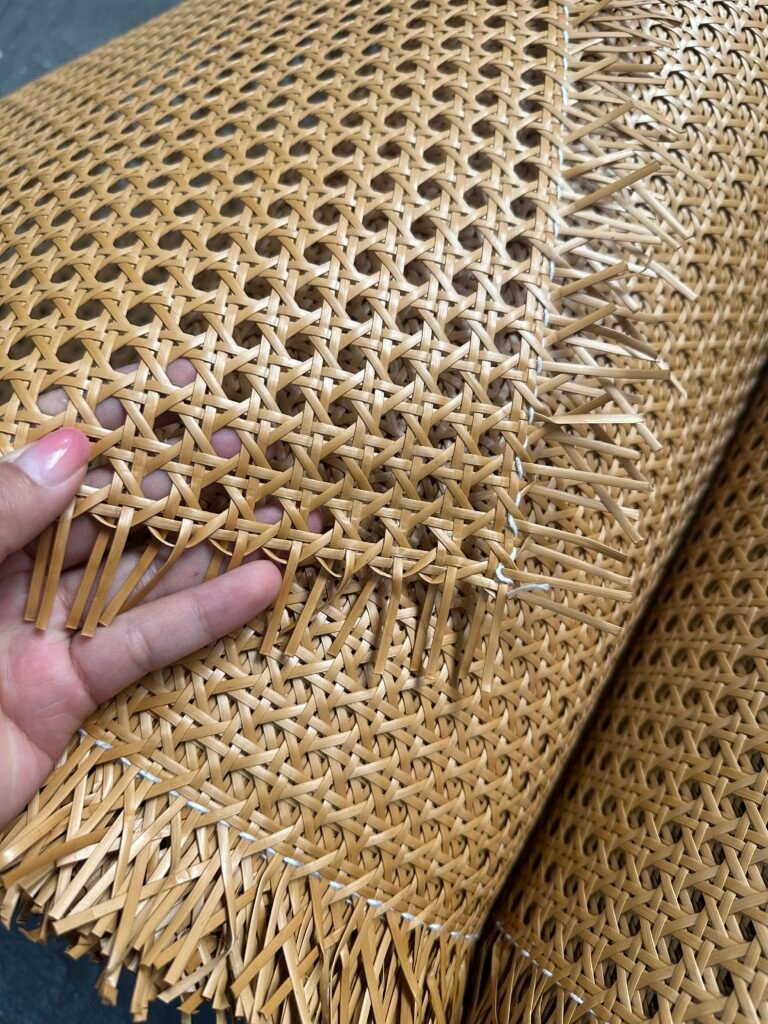
Natural Rattan vs Plastic Rattan Environmental Impact
Natural rattan stands out as a renewable material that supports eco-conscious production when sourced responsibly. Plastic rattan, although durable, relies on synthetic processes that raise environmental concerns over time. Businesses aiming to align with sustainability trends often prefer natural rattan, while plastic rattan appeals to those prioritizing longevity over biodegradability.
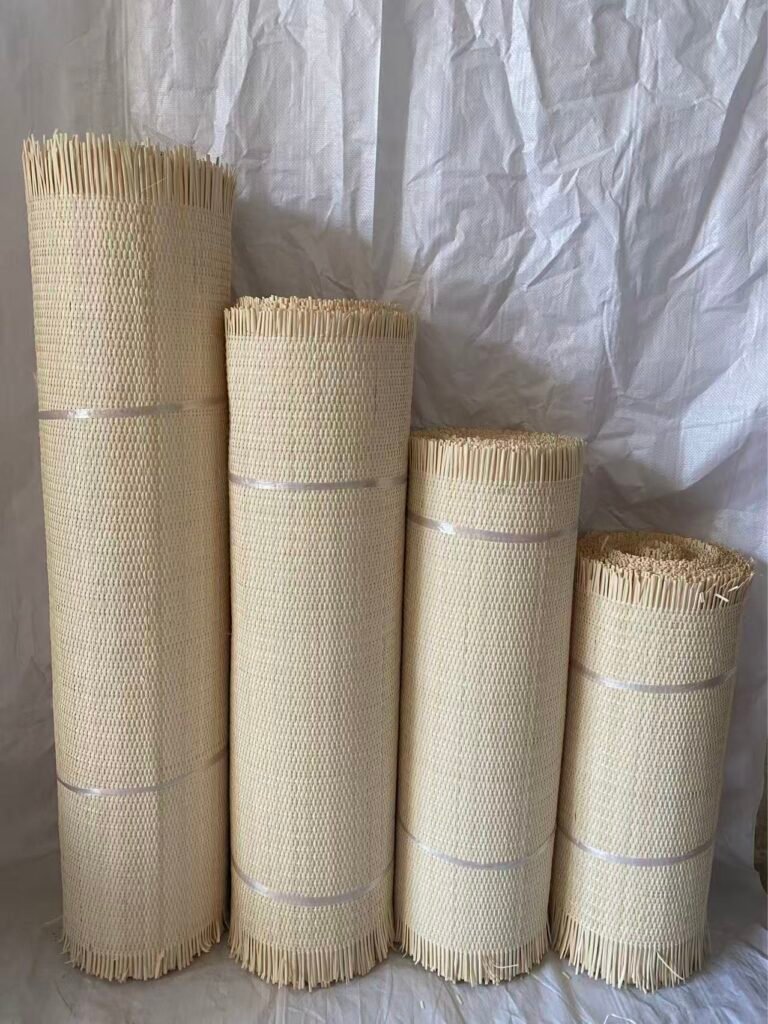
Natural Rattan Sheet Hexagonal Hole White Color
Eco friendly plastic rattan webbing wood color
https://www.furnituremaxi.com/blogs/news/rattan
Natural Rattan vs Plastic Rattan Investment Value
Natural rattan often involves higher craftsmanship costs, especially for handmade designs, which can increase its price point. Plastic rattan usually offers a more budget-friendly solution due to streamlined manufacturing. For cost-sensitive projects, plastic rattan provides strong value, while natural rattan justifies its price through aesthetics and authenticity.
Final Decision: Natural Rattan vs Plastic Rattan for Your Needs
Choosing between natural rattan and plastic rattan depends on how you balance style, durability, and maintenance. Natural rattan suits indoor, design-focused environments where texture and sustainability matter most. Plastic rattan works best for outdoor or high-traffic spaces where resilience and ease of care lead the decision. By aligning material choice with project goals, you can confidently select the option that delivers both function and visual impact.