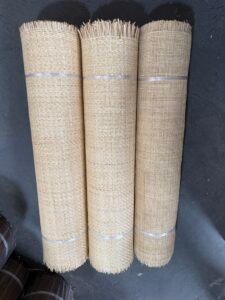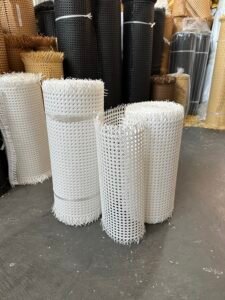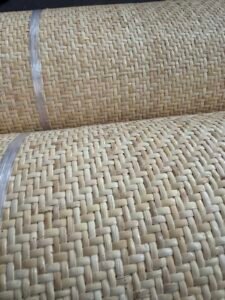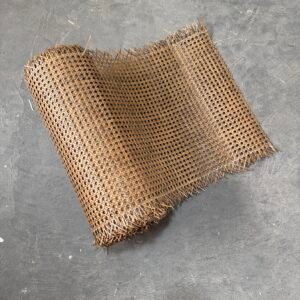
Furniture trends continue to evolve, yet the debate between natural rattan and plastic rattan remains stronger than ever. Both materials appear in homes, cafés, hotels, and outdoor projects worldwide, but they serve different lifestyles and design goals. Some buyers value authenticity and texture, while others focus on durability and low maintenance. Understanding the real differences between natural rattan and plastic rattan helps consumers make smarter long-term decisions instead of choosing based only on appearance
Natural Rattan Creates Timeless Indoor Elegance
Natural rattan delivers a warm and organic atmosphere that instantly softens interior spaces. Designers often use this material in living rooms, sunrooms, and boutique hotels because its handcrafted texture adds character without overwhelming the environment. Every woven detail carries slight variations, which gives furniture a more personal and artistic feel.
In comparison, plastic rattan presents a cleaner and more controlled surface. Manufacturers produce consistent weaving patterns and colors, making synthetic designs suitable for modern commercial projects. While natural rattan highlights craftsmanship and natural beauty, plastic rattan focuses more on structural consistency and visual uniformity.
For homeowners who want comfort, texture, and natural charm, natural rattan often becomes the preferred choice for indoor decoration.
Plastic Rattan Handles Outdoor Conditions More Effectively
Outdoor furniture faces constant pressure from sunlight, rain, humidity, and temperature changes. Natural rattan struggles in these conditions because natural fibers absorb moisture and gradually weaken over time. Extended exposure may lead to cracking, fading, or surface damage, especially in uncovered outdoor spaces.
Plastic rattan performs much better in demanding environments. High-quality synthetic weaving resists UV exposure, water, and heat without losing flexibility or shape easily. This advantage explains why many patio sets, garden sofas, and poolside chairs rely on plastic rattan instead of natural materials.
Although natural rattan offers stronger visual warmth, plastic rattan delivers greater reliability for long-term outdoor use.
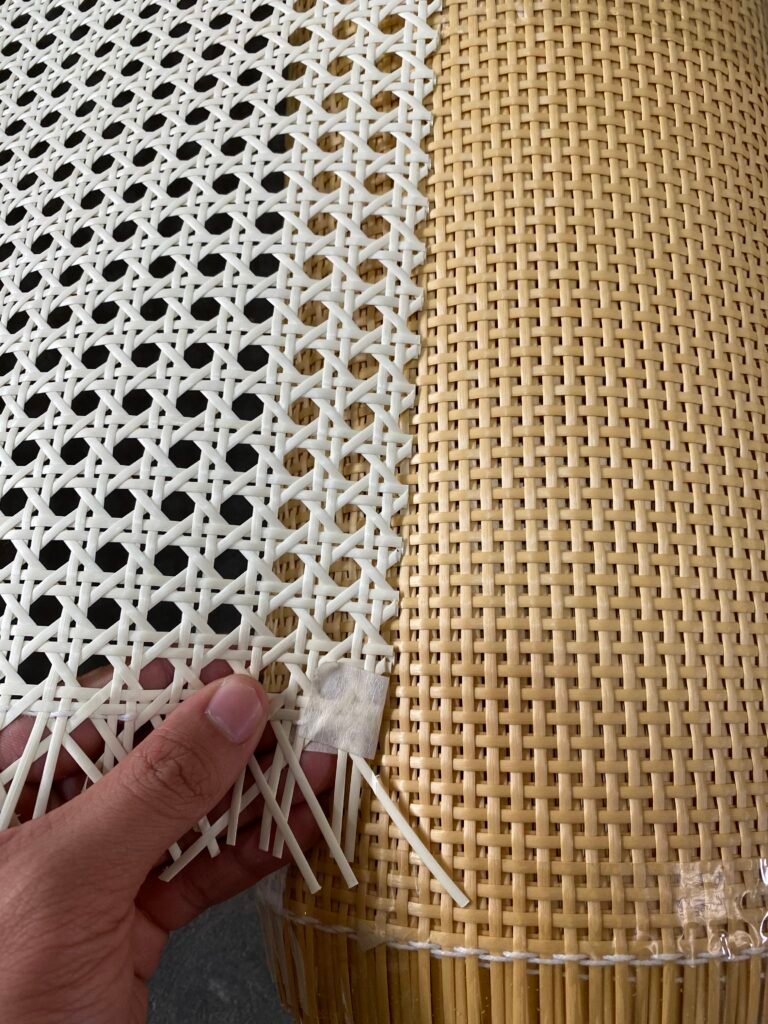
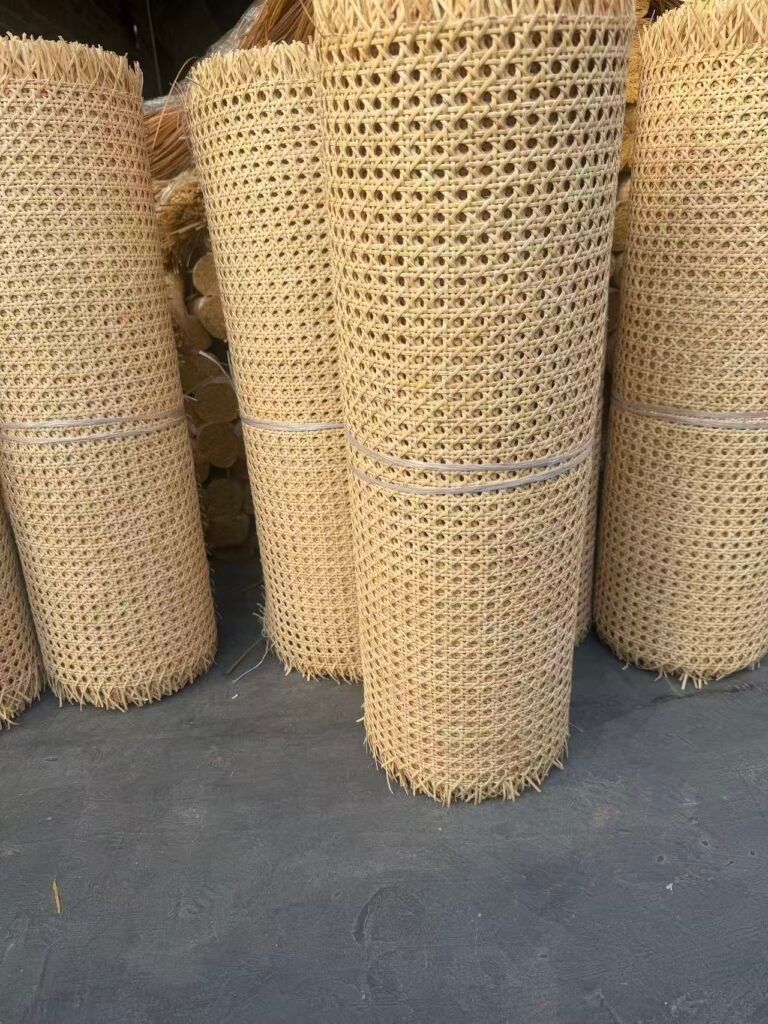
Natural Rattan Sheet Hexagonal Hole White Color
Eco friendly plastic rattan webbing wood color
https://www.furnituremaxi.com/blogs/news/rattan-
Maintenance Differences Influence Everyday Convenience
Maintenance becomes an important factor after furniture enters daily life. Natural rattan requires careful handling to maintain its appearance and structure. Owners usually need to control humidity levels and clean surfaces gently to prevent fiber damage. Excessive dryness can reduce flexibility, while moisture may shorten product lifespan.
Plastic rattan simplifies maintenance considerably. Most dirt and stains come off with water and mild soap, allowing busy households and commercial spaces to maintain furniture quickly. Restaurants, resorts, and cafés often prefer plastic rattan because it reduces cleaning time and lowers maintenance costs.
Even with the extra care requirements, natural rattan continues to attract buyers who appreciate authentic materials and handcrafted aesthetics.
Sustainability Changes the Buying Perspective
Environmental awareness now affects furniture purchasing decisions across global markets. Natural rattan grows rapidly and comes from renewable plant resources, making it attractive for eco-conscious consumers. Traditional weaving techniques also support handmade craftsmanship and reduce heavy industrial processing.
At the same time, plastic rattan continues to improve through recyclable materials and longer product durability. Many manufacturers now produce synthetic weaving designed to resist wear for years, which reduces replacement frequency and minimizes waste over time.
Natural rattan appeals strongly to buyers who value natural sourcing and artisanal production. Plastic rattan, however, attracts consumers who prioritize longevity and practical performance.
Design Flexibility Separates Modern and Traditional Styles
Style preference often determines the final decision between natural rattan and plastic rattan. Natural rattan pairs beautifully with bohemian, coastal, tropical, and Scandinavian interiors because its texture creates a relaxed and welcoming atmosphere. The material works especially well in spaces that emphasize warmth and simplicity.
Plastic rattan supports broader design flexibility in terms of shape, color, and weaving patterns. Manufacturers can create contemporary furniture collections with sharper lines and customized finishes more efficiently. This flexibility allows plastic rattan to adapt easily to hotels, outdoor lounges, and large-scale commercial projects.
While natural rattan strengthens emotional warmth in interior design, plastic rattan supports modern functionality and mass production efficiency.
Conclusion: Choose Based on Lifestyle, Not Trends
The comparison between natural rattan and plastic rattan goes far beyond appearance alone. Natural rattan offers authenticity, texture, and timeless indoor elegance that many homeowners still admire. Plastic rattan provides durability, weather resistance, and practical convenience for outdoor and high-traffic environments.
Instead of following short-term design trends, buyers should evaluate how the furniture will function in everyday life. Climate, maintenance expectations, design style, and usage frequency all influence the better choice. When consumers understand the strengths of both natural rattan and plastic rattan, they can invest in furniture that balances beauty, comfort, and long-term value.