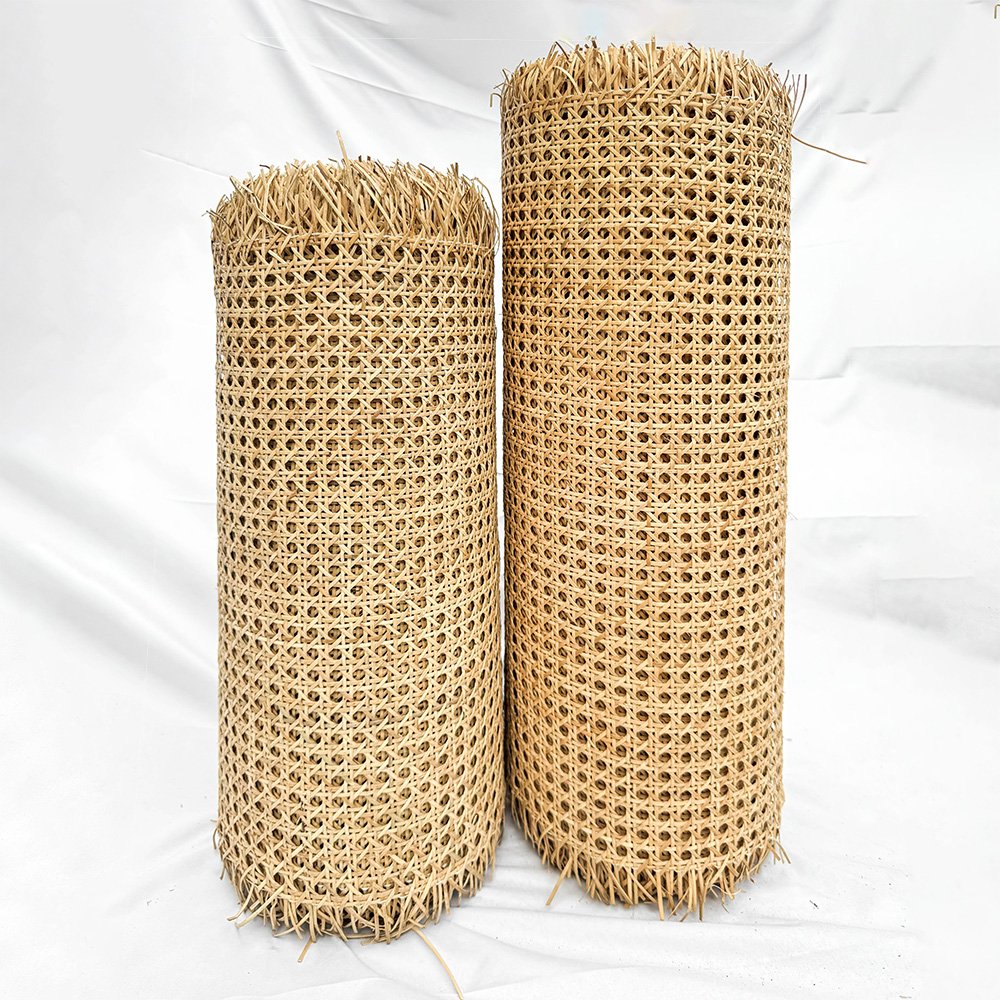
When it comes to home decor, the choice between natural rattan and plastic rattan can define both style and functionality. Each material brings unique benefits, and understanding their differences helps make an informed decision. This guide explores the strengths of both, allowing homeowners and designers to select the right option for their needs.
Authenticity and Aesthetic Appeal: Natural Rattan
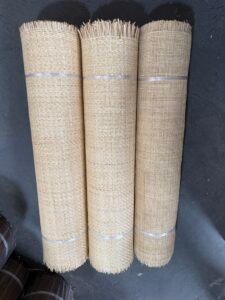
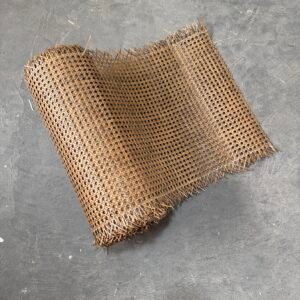
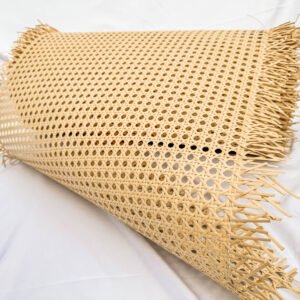
Natural rattan embodies authenticity and craftsmanship. Its organic texture and warm tones create a sense of elegance and natural beauty that few materials can match. Unlike plastic rattan, which is uniform and synthetic, natural rattan reflects subtle imperfections that enhance its charm. Furniture made from this material often becomes a centerpiece, blending seamlessly with both traditional and modern interiors. Choosing natural rattan is ideal for spaces where aesthetic quality and tactile experience are priorities. Natural Rattan Sheet Hexagonal Hole White Color
Durability and Weather Resistance: Plastic Rattan
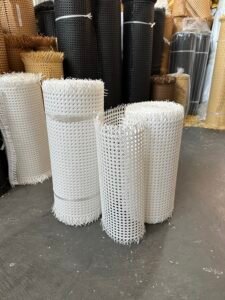
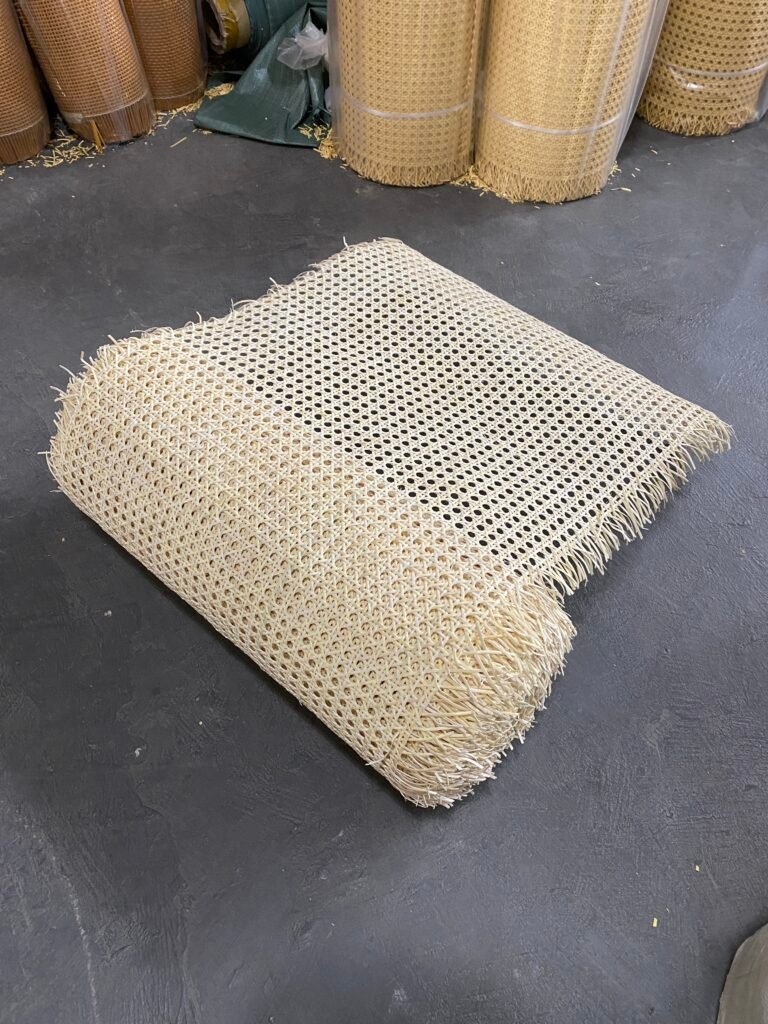
While natural rattan excels in appearance, plastic rattan is built for resilience. This synthetic alternative resists moisture, UV exposure, and temperature fluctuations, making it suitable for outdoor environments. Unlike natural rattan, which can weaken or warp over time, plastic rattan maintains its structure with minimal maintenance. Homeowners seeking longevity and ease of care often prefer plastic rattan for patio furniture, garden accents, and high-traffic areas. PE plastic rattan
https://danubedecor.com/blog/everything-about-rattan-cane-webbing-roll/
Environmental Considerations: Natural Rattan
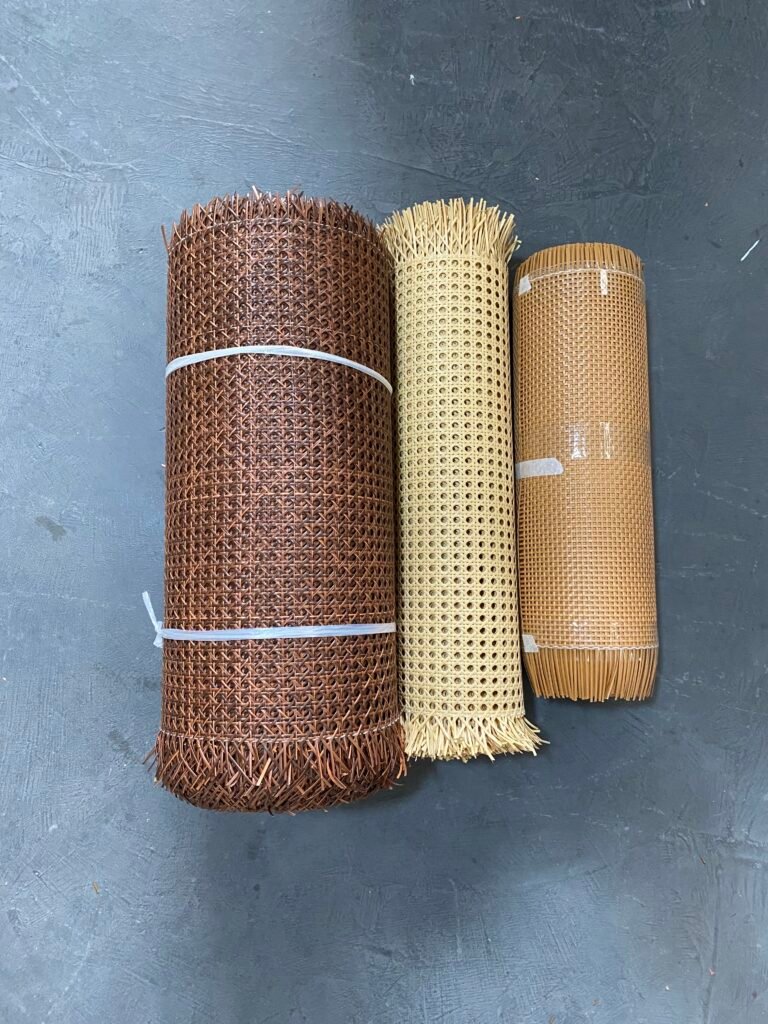
The ecological footprint of natural rattan is significantly lower than that of synthetic alternatives. Harvested sustainably from climbing palms, it is biodegradable and renewable. In contrast, plastic rattan relies on petrochemical production, which contributes to environmental pollution and is not easily recyclable. For those prioritizing green living and sustainable interiors, natural rattan offers an environmentally responsible choice without compromising style.
Cost and Accessibility: Plastic Rattan
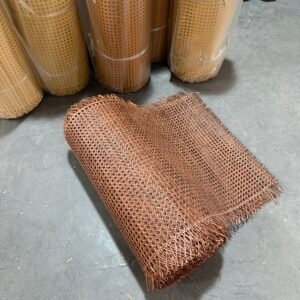
Affordability is another aspect where plastic rattan roll stands out. Production efficiency and material availability make it more budget-friendly than natural rattan roll, which often requires skilled craftsmanship and time-intensive weaving. Plastic rattan allows homeowners to achieve the rattan aesthetic at a lower cost, making it accessible for larger-scale projects or temporary setups. Its versatility in design and pricing ensures wider adoption in commercial and residential spaces alike.
Maintenance and Longevity: Comparing Both Materials
Maintenance demands vary considerably between the two materials. Natural rattan requires gentle cleaning and occasional protection against moisture and sunlight to preserve its integrity. Plastic rattan, by contrast, is almost maintenance-free, easily cleaned with water and mild detergent. While natural rattan may develop a patina over time, adding character, plastic rattan retains its original look and color for years. Evaluating lifestyle needs helps determine which material suits your environment best.
Conclusion: Balancing Beauty and Practicality
In the final analysis, natural rattan excels in beauty, authenticity, and sustainability, while plastic rattan dominates in durability, affordability, and low maintenance. The ideal choice depends on the priorities of design, environment, and lifestyle. By understanding the unique strengths of each, homeowners and designers can confidently select the material that meets both functional demands and aesthetic aspirations. Whether embracing the timeless elegance of natural rattan or the practical resilience of plastic rattan, each option has a role in modern interiors.