Homeowners today face a fascinating crossroad when selecting woven furniture for their living spaces. As biophilic design continues to dominate modern interiors, buyers constantly struggle to decide which material truly aligns with their daily lives. The market presents two compelling options, forcing you to choose between organic heritage and synthetic engineering. To write a definitive guide or make the best choice for your own space, you must tear down the marketing jargon. This article breaks down the distinct visual advantages of natural rattan and compares them directly against the resilient structural profile of plastic rattan. By evaluating these distinct lifestyle metrics, you can confidently transform your home without facing buyer’s remorse down the road.
Practical Considerations for Daily Use
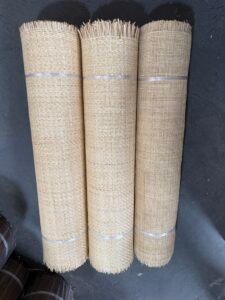
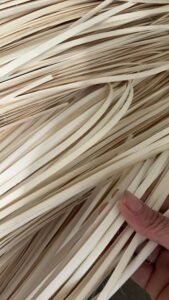
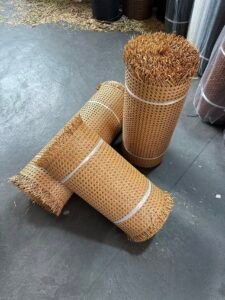
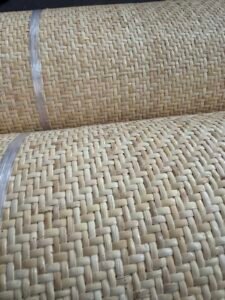
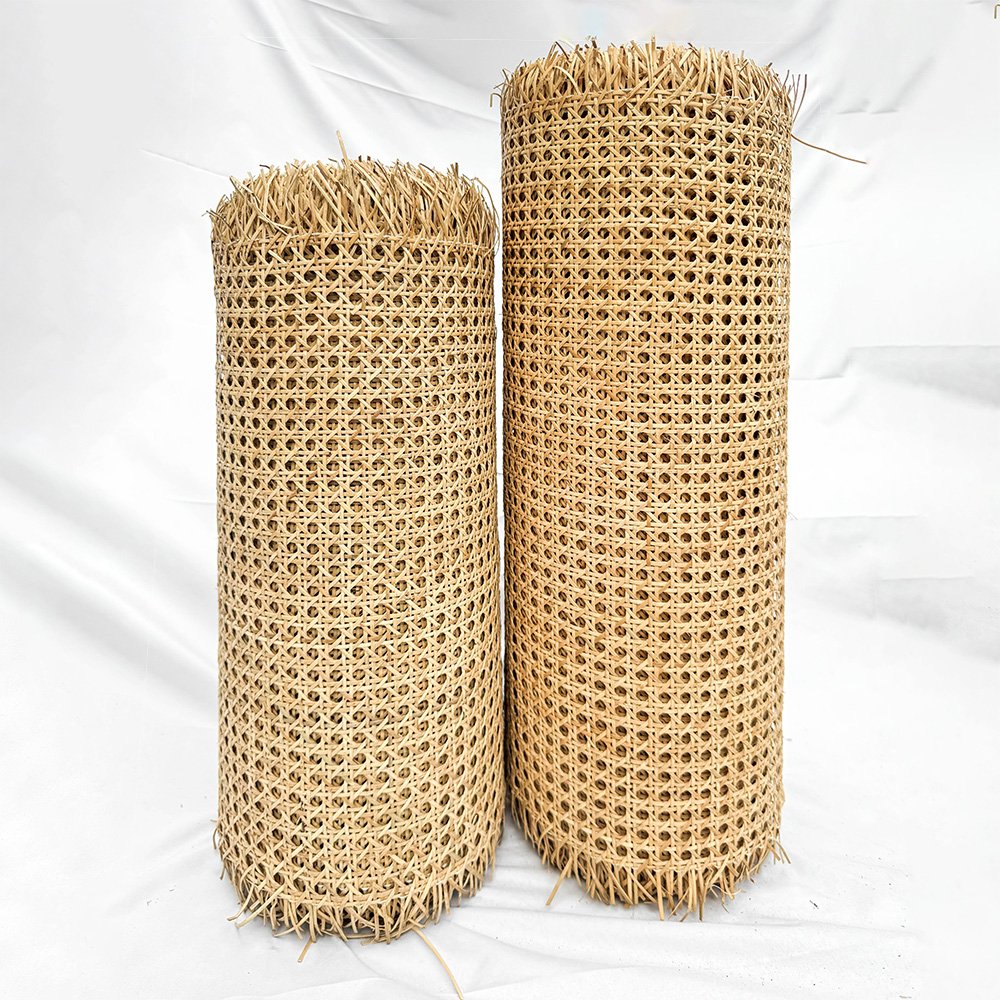
The sensory experience of a room begins entirely with visual and tactile authenticity. Skilled artisans hand-weave natural rattan from tropical climbing palms, delivering an earthy warmth that features unique grain variations, unpredictable color gradients, and a porous, gripping texture. You simply cannot replicate this biological fingerprint with modern machinery. Conversely, chemical engineers specifically design plastic rattan to provide absolute visual consistency and a flawlessly smooth, uniform finish. The organic vine grounds a room with an unrepeatable, historical character, while the synthetic polymer satisfies minimalist homeowners who demand perfectly matching, snag-free surfaces for their high-traffic contemporary environments.
Sheltering Natural Rattan vs. Exposing Plastic Rattan
Your local climate and architectural layout dictate furniture placement far more than any passing design trend. Because seasonal humidity and severe temperature fluctuations cause organic fibers to rapidly expand, splinter, and eventually grow mold, you must confine natural rattan strictly to dry indoor spaces or deeply covered patios. In stark contrast, manufacturers formulate plastic rattan to relentlessly withstand brutal ultraviolet rays, freezing winter chills, and torrential summer downpours. Therefore, your sun-drenched poolside directly demands the indestructible synthetic weave, while your climate-controlled living room provides the ideal, safe sanctuary for the more delicate biological option.
Nurturing Natural Rattan vs. Washing Plastic Rattan
Your personal willingness to perform routine household chores should directly influence your furniture purchase. Diligent owners must regularly dust and occasionally rub boiled linseed oil into natural rattan to prevent the fibers from drying out and cracking over the years. On the other hand, busy families and active professionals highly prize plastic rattan precisely because it demands almost zero dedicated upkeep. You can simply spray the synthetic chairs with a high-pressure garden hose and vigorously wipe them down with a soapy sponge, entirely bypassing the demanding, time-consuming care rituals that botanical materials inherently require.
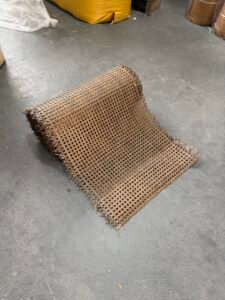
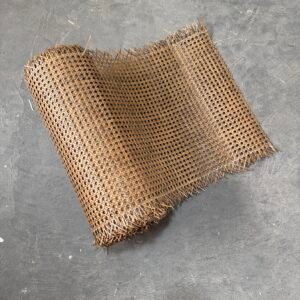
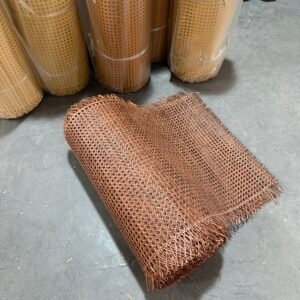
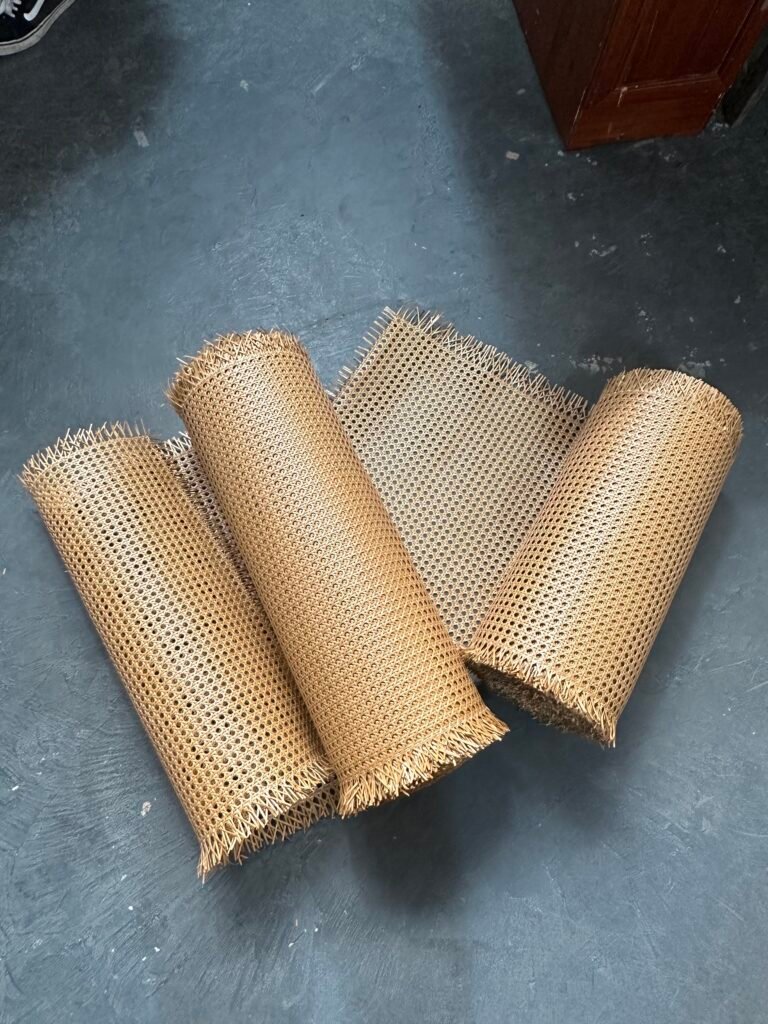
Plastic Rattan Webbing Red-Brown Color
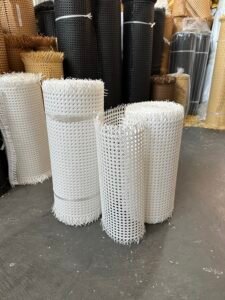
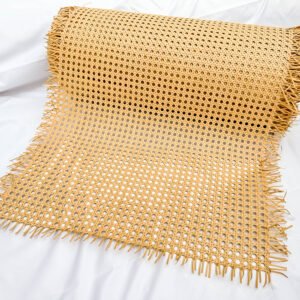
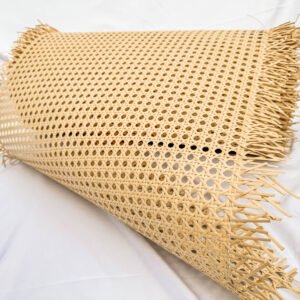
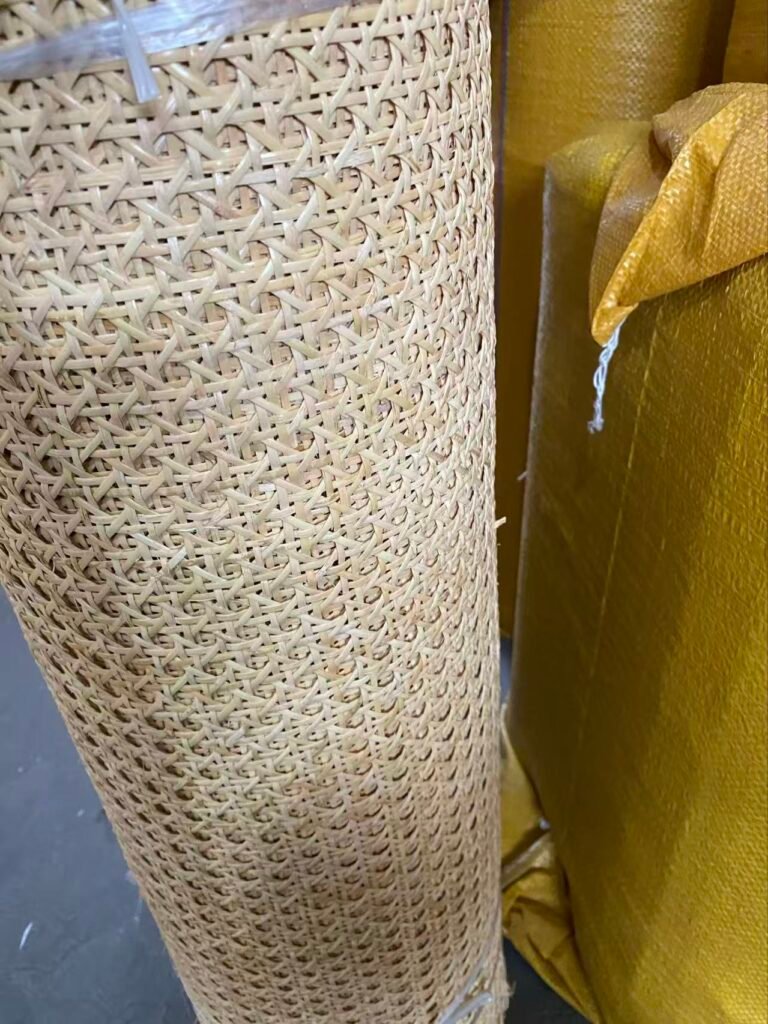
Natural Rattan Sheet Hexagonal Hole White Color
https://rattanweave.com/product/artificial-weave-rattan-cane-webbing-sheet/
https://www.furnituremaxi.com/blogs/news/rattan-
Sourcing Natural Rattan vs. Recycling Plastic Rattan
Eco-conscious consumers rigorously evaluate the environmental footprint of their home decor before making a final financial transaction. Harvesters manually extract natural rattan from fast-growing jungles, a process that actively encourages rainforest preservation and directly supports indigenous agricultural communities by giving the standing forest real economic value. Meanwhile, the modern synthetic furniture industry increasingly utilizes recycled high-density polyethylene (HDPE) to create plastic rattan, effectively diverting massive amounts of non-biodegradable waste from global landfills and oceans. Buying the botanical material actively funds vital living ecosystems, while choosing high-quality synthetic versions vigorously promotes the global circular economy.
Aging Natural Rattan vs. Scaling Plastic Rattan
Evaluating your upfront budget and long-term financial goals reveals vastly different value propositions between the two mediums. Because skilled craftspeople must weave the organic vines over many labor-intensive hours, natural rattan commands a premium upfront price but develops a rich patina that enhances its historical resale value as a classic heritage piece. Meanwhile, global factories efficiently mass-produce plastic rattan via rapid industrial extrusion, which dramatically lowers the initial consumer cost and makes it highly accessible for large-scale outdoor landscaping projects. Ultimately, the botanical piece serves as a curated heirloom investment, while the synthetic option provides immediate, cost-effective functionality.
Conclusion: Aligning Your Material Strategy
Selecting the perfect woven furniture ultimately comes down to matching inherent material strengths with your specific lifestyle demands. If you prioritize botanical beauty, indoor comfort, and ecological tradition, natural rattan will successfully transform your house into a warm, inviting sanctuary. However, if your daily routine demands rugged durability, fierce outdoor weather resistance, and completely effortless maintenance, plastic rattan stands as the undisputed champion of modern utility. By strategically assessing your living environment and personal habits, you can confidently choose the weave that best serves your long-term vision, ensuring your home remains both beautiful and highly functional for decades.