Modern furniture buyers no longer focus only on appearance. Today, durability, maintenance, sustainability, and long-term value all influence purchasing decisions. That is why the discussion around natural rattan and plastic rattan continues to grow in the furniture industry. Both materials create elegant woven products, yet they perform differently in daily use. Some consumers admire the organic texture of handcrafted furniture, while others prefer practical solutions that survive changing weather and heavy use. Before making a final choice, buyers should understand how natural rattan and plastic rattan differ in design, function, and lifestyle compatibility.
The Material Defines the Product
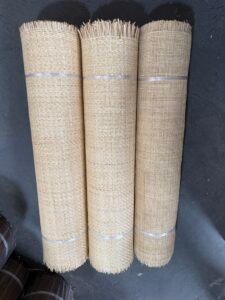
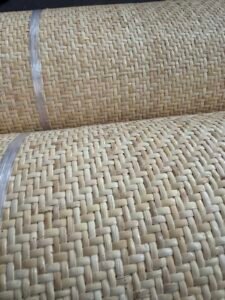
Every furniture piece reflects the characteristics of its raw material. Natural rattan comes from tropical climbing palms that craftsmen shape into woven furniture and decorative products. The surface carries natural grain, slight color variation, and handmade texture, which gives each product an individual identity.
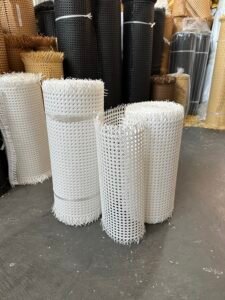
In comparison, plastic rattan uses synthetic fibers such as PE or resin. Manufacturers developed it to recreate the appearance of traditional weaving while improving resistance against outdoor conditions. As a result, modern hotels, cafés, and patio furniture brands increasingly rely on plastic rattan for commercial and residential projects.
Buyers who value authenticity usually appreciate the handcrafted character of natural rattan, while customers seeking efficiency often choose plastic rattan for its reliable performance.
Appearance Shapes First Impressions
Furniture design directly affects the atmosphere of a space. Natural rattan introduces warmth and softness into interiors, making rooms feel more relaxed and welcoming. Designers frequently use it in bohemian, coastal, tropical, and Scandinavian styles because the woven texture creates visual depth without feeling heavy.
At the same time, plastic rattan delivers a cleaner and more controlled appearance. Advanced production methods now allow synthetic weaving to imitate real cane patterns with impressive accuracy. Outdoor dining areas, rooftop lounges, and resort furniture collections often prefer plastic rattan because it maintains a polished look over long periods of use.
For indoor elegance and natural charm, natural rattan remains highly attractive. For modern outdoor styling and consistency, plastic rattan offers a practical advantage.

Durability Changes the Buying Decision
Durability often separates decorative furniture from long-term investment pieces. Natural rattan performs best in stable indoor environments where moisture and direct sunlight stay limited. Excess humidity may weaken the fibers, while continuous UV exposure can affect color and flexibility over time.
By contrast, plastic rattan handles outdoor conditions far more effectively. Rain, sunlight, temperature fluctuations, and frequent cleaning create less impact on synthetic weaving. That durability explains why many commercial outdoor furniture suppliers prioritize plastic rattan for high-traffic spaces.
Although proper care helps extend the lifespan of natural rattan, customers who need weather resistance usually achieve better long-term value with plastic rattan.
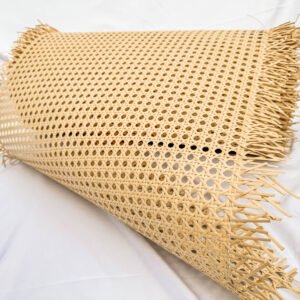
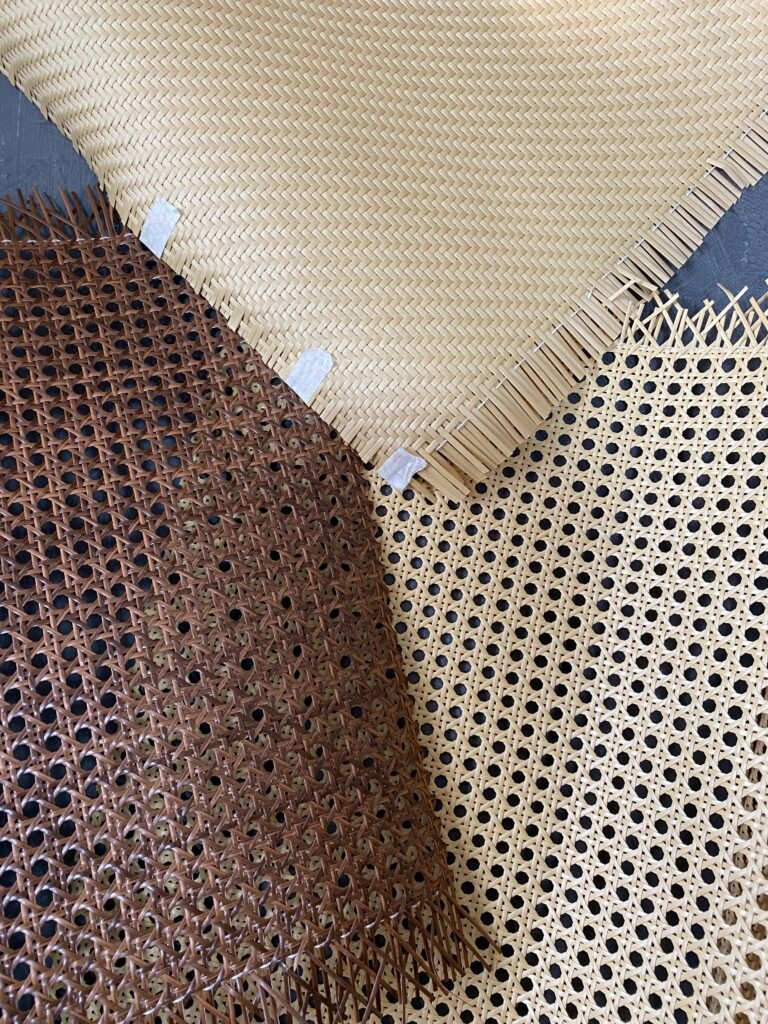
Natural Rattan Sheet Hexagonal Hole White Color
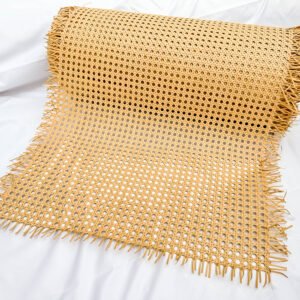
Eco friendly plastic rattan webbing wood color
https://www.furnituremaxi.com/blogs/news/rattan-
Maintenance Influences Everyday Experience
Maintenance requirements strongly affect customer satisfaction after purchase. Natural rattan requires gentle cleaning and controlled placement to preserve its appearance. Indoor environments help maintain its texture and reduce unnecessary wear.
On the other hand, plastic rattan simplifies maintenance. Most dirt and stains disappear with water and mild soap, making the material suitable for busy households and outdoor entertaining areas. Restaurants and hotels also appreciate how easily plastic rattan handles frequent use without demanding special treatment.
Consumers who prioritize convenience often select plastic rattan, while those who enjoy artisanal furniture usually accept the extra care associated with natural rattan.
Comfort Depends on Lifestyle
Furniture should support both comfort and functionality. Natural rattan feels lightweight and breathable, especially in indoor lounge chairs and decorative seating. Combined with soft cushions, it creates a relaxed atmosphere suited for calm living spaces.
Meanwhile, plastic rattan supports heavier use and active environments more effectively. Families with children, outdoor social spaces, and commercial venues often choose it because durability matters as much as appearance.
For quiet indoor comfort, natural rattan creates a timeless experience. For demanding daily use, plastic rattan delivers dependable practicality.
Choosing the Right Material for the Future
The comparison between natural rattan and plastic rattan does not end with a simple winner. Each material solves different problems and serves different lifestyles. Natural woven furniture highlights craftsmanship, texture, and organic beauty. Synthetic alternatives focus on resilience, easier maintenance, and outdoor performance.
Smart buyers evaluate where the furniture will be used, how often it will face wear, and what type of atmosphere they want to create. By understanding the strengths of both natural rattan and plastic rattan, consumers can invest in furniture that balances design, comfort, and durability for many years ahead.