Furniture trends continue to evolve, but the debate between natural rattan and plastic rattan remains stronger than ever. Homeowners, hotel buyers, and outdoor furniture brands often struggle to decide which material delivers better value, appearance, and durability. While both materials create stylish woven designs, they serve different purposes in real-life environments. Understanding the strengths of natural rattan and plastic rattan helps buyers avoid costly mistakes and choose furniture that matches both lifestyle and long-term expectations.
The Difference Begins with the Material
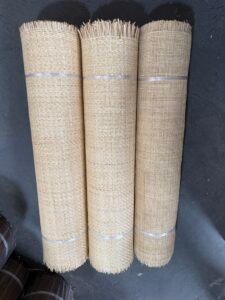
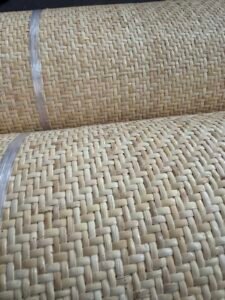
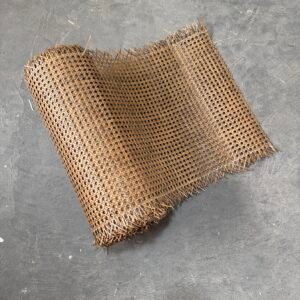
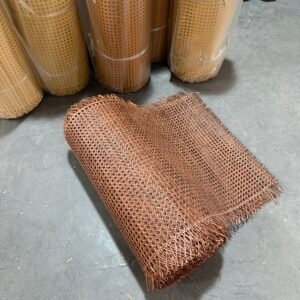
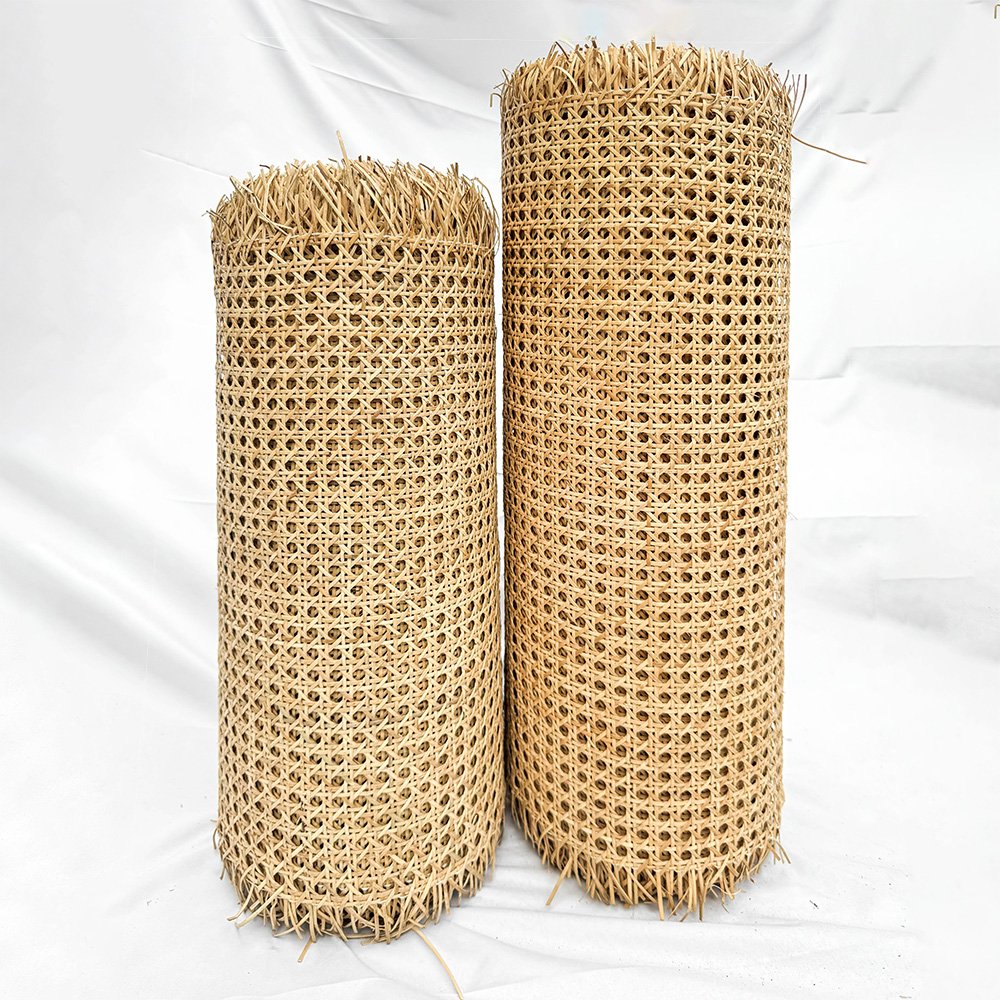
The biggest distinction between natural rattan and plastic rattan starts with how each material is made. Natural fibers come from climbing palm plants found in tropical forests. Skilled artisans process and weave the material by hand, giving every piece a unique texture and character.
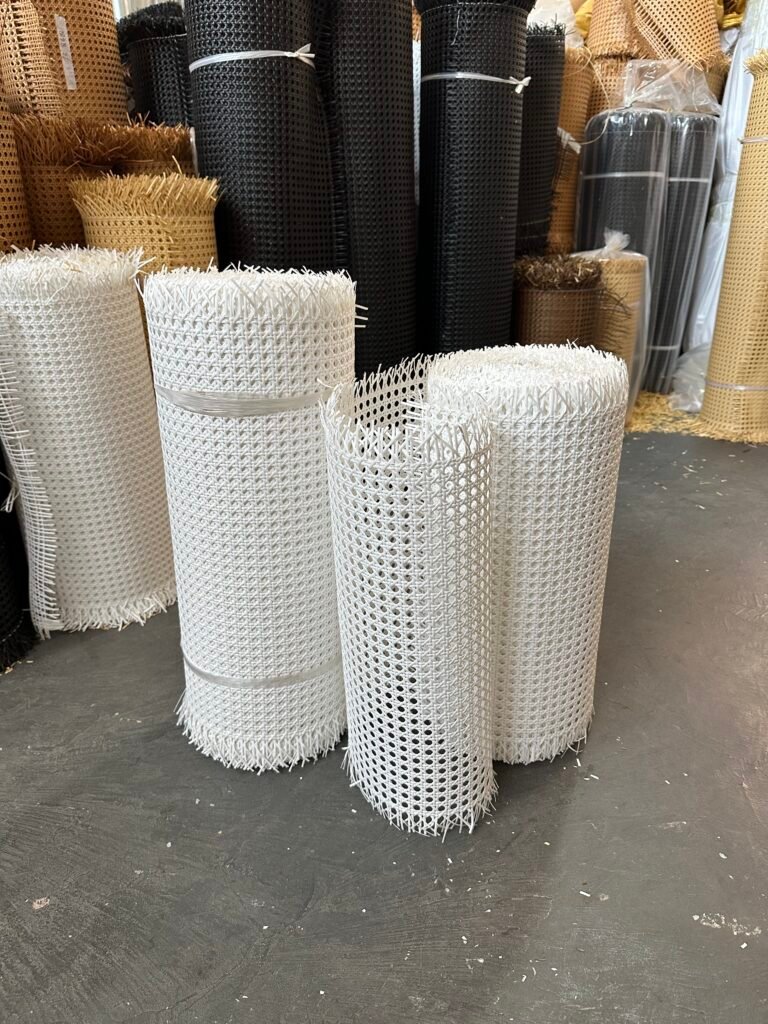
In contrast, plastic rattan uses synthetic materials such as PE or resin. Manufacturers engineer it to imitate the appearance of real woven fibers while improving weather resistance and structural stability. As a result, outdoor furniture producers widely prefer plastic rattan for patios, poolsides, and commercial projects.
Buyers who appreciate craftsmanship and organic texture often lean toward natural rattan, while those seeking practicality and consistency usually favor plastic rattan.
Appearance Shapes the Buying Decision
Visual appeal strongly influences furniture choices. Natural rattan creates a warm and relaxed atmosphere that works beautifully in indoor spaces. Its natural grain, subtle color variation, and handcrafted details give interiors a softer and more authentic feeling. Designers frequently use it in coastal, bohemian, and Scandinavian-inspired spaces.
Meanwhile, plastic rattan offers a cleaner and more uniform finish. Modern production techniques allow synthetic weaving to closely resemble natural textures while maintaining consistent color and shape. Restaurants, resorts, and outdoor lounges often choose plastic rattan because it keeps a polished appearance even after extended use.
For customers focused on natural aesthetics, natural rattan delivers timeless charm. For projects that demand visual consistency and easier upkeep, plastic rattan becomes the smarter option.
Durability Changes Everything
Durability often determines whether furniture becomes a long-term investment or a short-term expense. Natural rattan performs best in dry indoor environments where temperature and humidity remain stable. Excessive moisture or direct sunlight may weaken the fibers over time, causing fading, cracking, or mildew.
On the other hand, plastic rattan handles outdoor conditions far more effectively. It resists UV rays, rain, humidity, and frequent cleaning without losing its structure. That advantage explains why hotels and outdoor furniture brands rely heavily on plastic rattan for commercial applications.
If furniture will stay indoors, natural rattan provides excellent longevity with proper care. If exposure to weather becomes unavoidable, plastic rattan offers stronger performance and lower maintenance requirements.
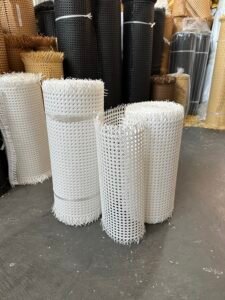
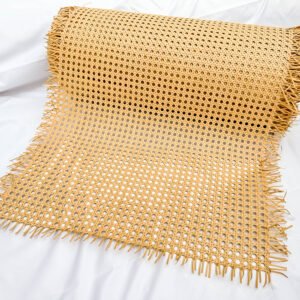
Natural Rattan Sheet Hexagonal Hole White Color
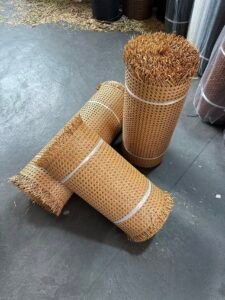
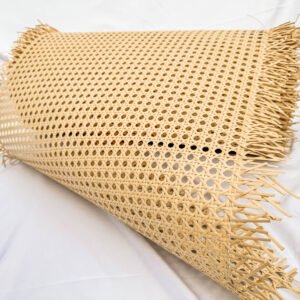
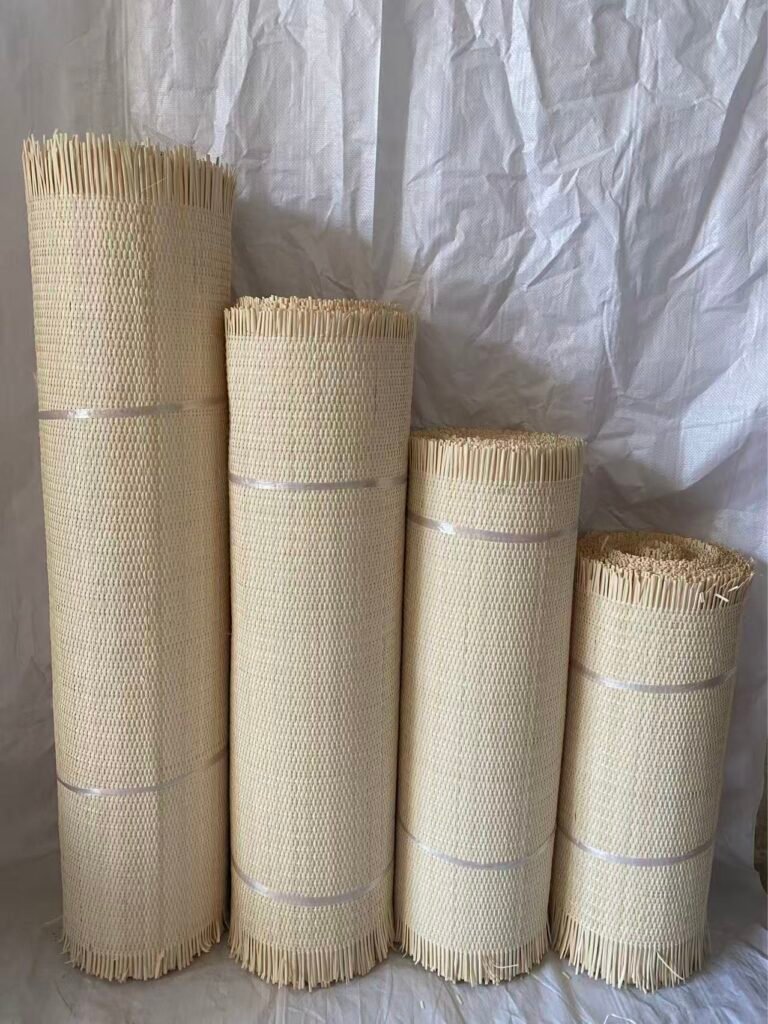
Eco friendly plastic rattan webbing wood color
https://www.furnituremaxi.com/blogs/news/rattan-
Comfort and Daily Experience
Comfort matters just as much as durability. Many users appreciate the lightweight and breathable structure of natural rattan, especially in indoor seating. Combined with cushions and soft fabrics, it creates a relaxed and welcoming environment.
At the same time, plastic rattan supports heavier daily use. Families with children, busy cafés, and outdoor entertainment areas benefit from its stability and resistance to wear. Frequent movement, spills, and changing temperatures affect plastic rattan far less than natural woven material.
For cozy indoor comfort, natural rattan feels more organic and inviting. For demanding daily environments, plastic rattan delivers dependable practicality.
Cost, Maintenance, and Long-Term Value
Pricing also shapes consumer decisions. Handmade natural rattan furniture often costs more because the production process requires skilled labor and carefully selected raw materials. Premium indoor collections can even become statement pieces that increase decorative value over time.
By comparison, plastic rattan generally offers better affordability for large furniture sets. Maintenance remains simple because the material only requires occasional cleaning with water and mild soap. Many buyers choose plastic rattan because it reduces long-term upkeep costs without sacrificing visual appeal.
Customers looking for craftsmanship and premium interior design may prefer natural rattan. Buyers seeking durability, efficiency, and commercial value often invest in plastic rattan instead.
Choosing the Right Material for Your Lifestyle
The choice between natural rattan and plastic rattan ultimately depends on lifestyle, environment, and design priorities. Natural woven furniture brings warmth, texture, and authentic craftsmanship into interior spaces. Synthetic alternatives provide stronger weather resistance, easier maintenance, and reliable long-term durability outdoors.
Neither material completely replaces the other because each serves a different purpose. Buyers who understand the strengths of both natural rattan and plastic rattan can make smarter purchasing decisions and create spaces that balance beauty, function, and value for years to come.