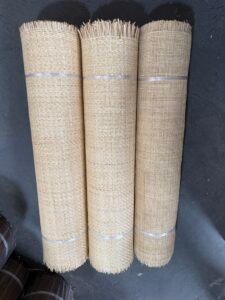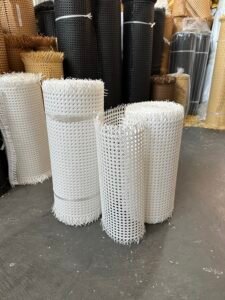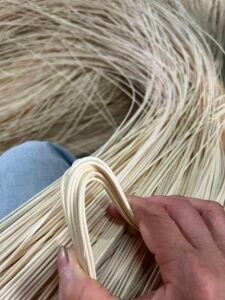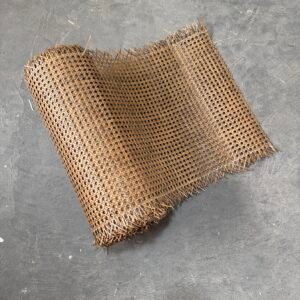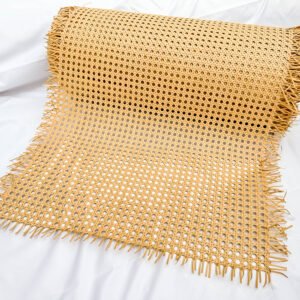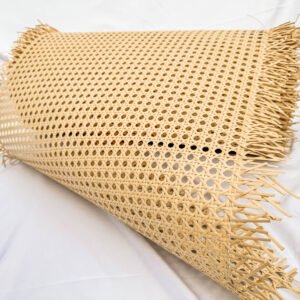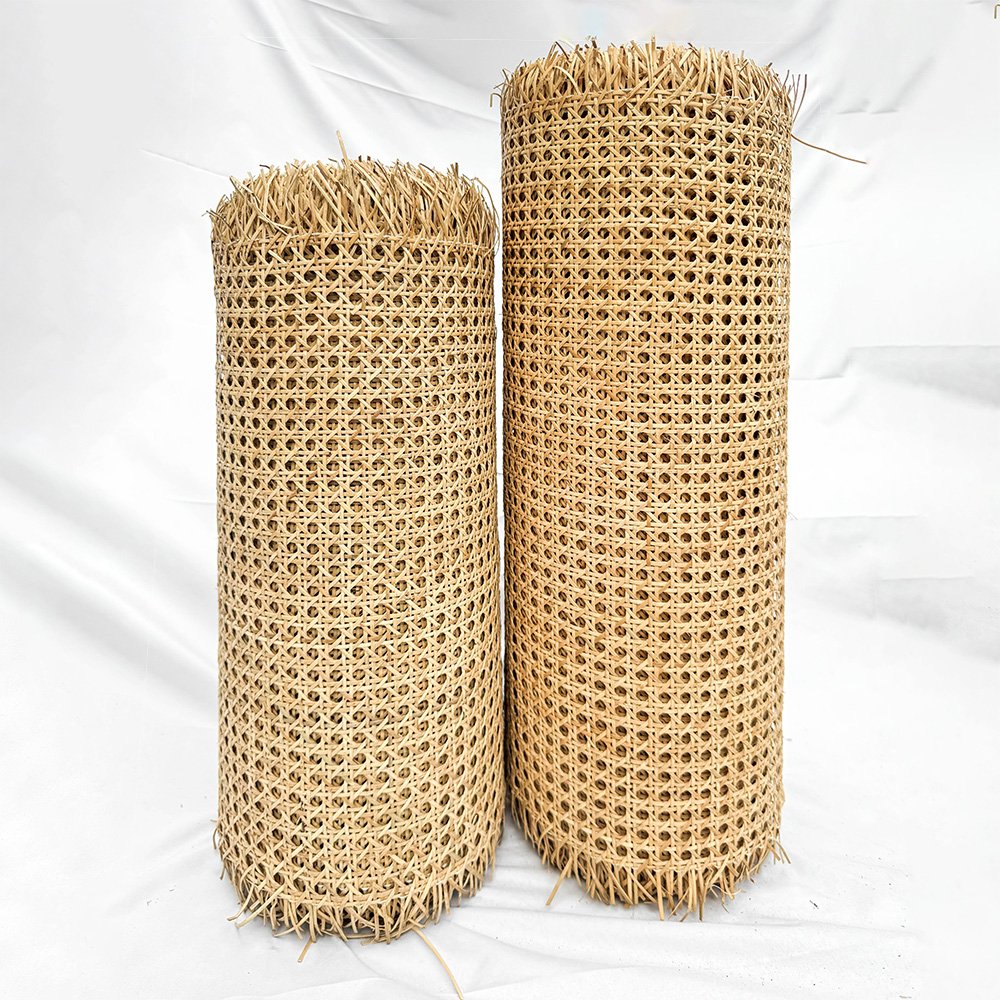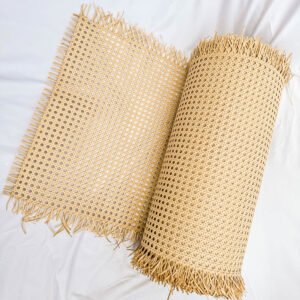
Furniture trends continue to change, yet woven furniture never loses its appeal. Buyers today often compare natural rattan and plastic rattan before making a final decision because both materials offer unique advantages. Some people value craftsmanship and natural texture, while others focus on durability and convenience. The right choice depends on lifestyle, environment, and long-term expectations. Understanding the true differences between natural rattan and plastic rattan helps consumers invest in furniture that delivers both style and performance.
The Origin Creates the Difference
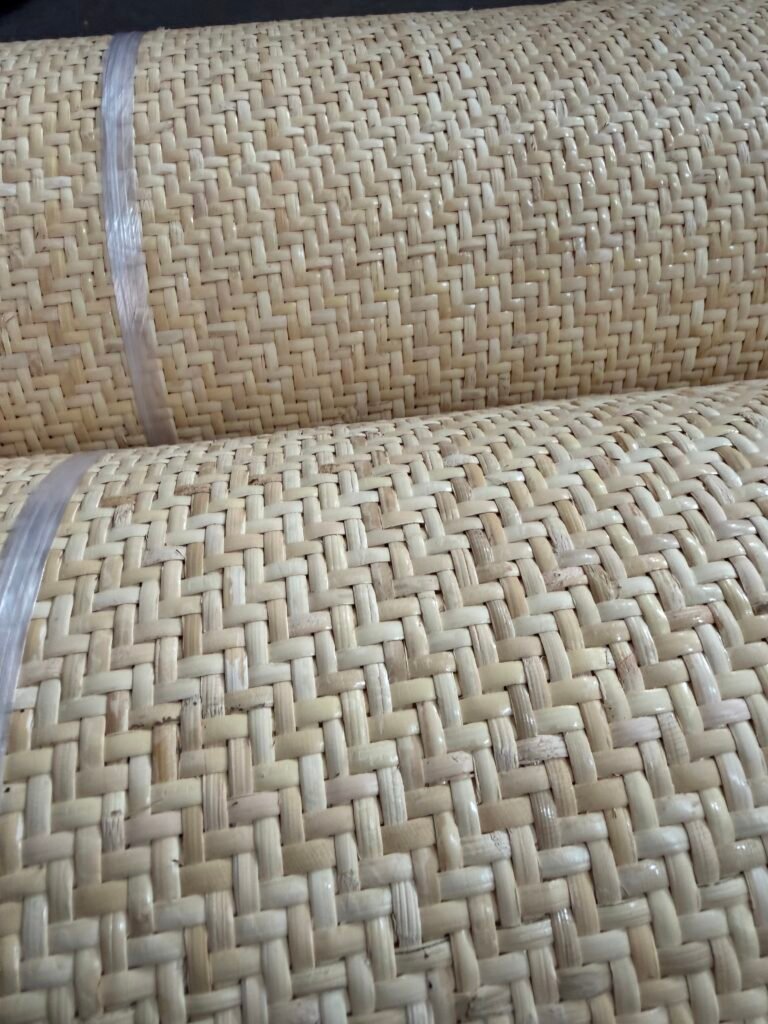
Every furniture material carries its own identity. Natural rattan comes from tropical climbing palms known for flexibility and organic texture. Skilled craftsmen weave the material into chairs, baskets, cabinets, and decorative pieces that bring warmth into interior spaces. Each product carries subtle variations in color and texture, which gives furniture a more authentic appearance.
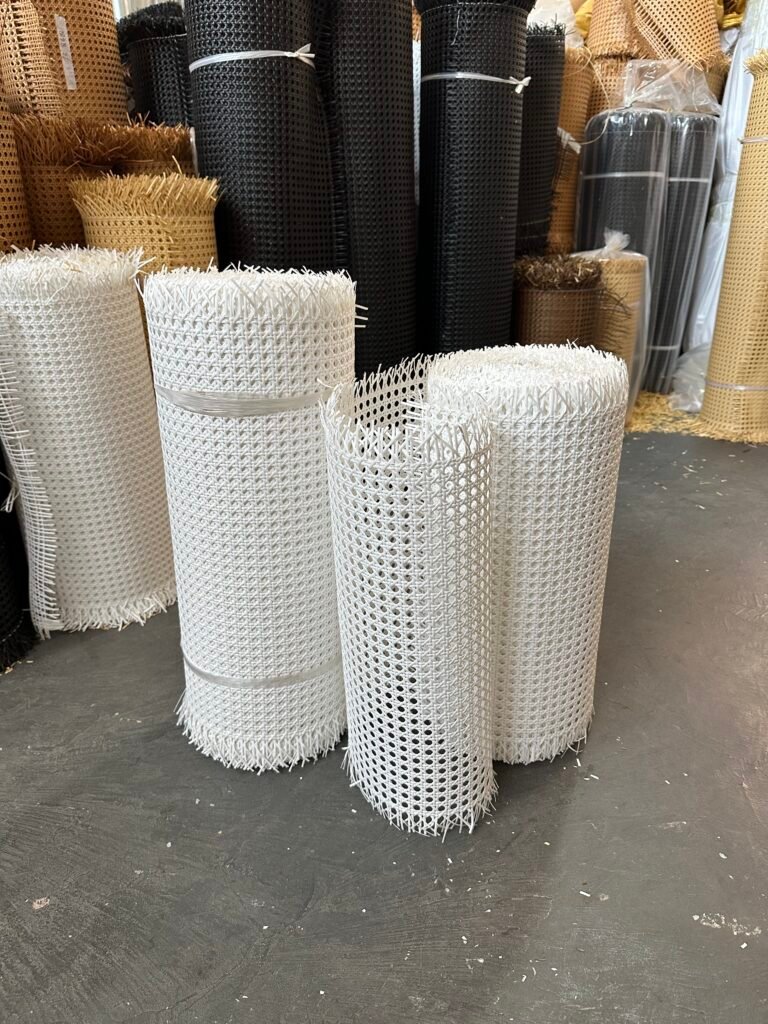
In comparison, plastic rattan uses synthetic PE or resin fibers designed to imitate the look of traditional weaving. Manufacturers developed this material to improve resistance against rain, UV exposure, and changing temperatures. Because of these advantages, many outdoor furniture brands rely on plastic rattan for garden, patio, and commercial projects.
For buyers who admire natural artistry, natural rattan creates stronger emotional value. For consumers who need dependable outdoor performance, plastic rattan often provides the smarter solution.
Style Shapes Interior and Outdoor Spaces
Appearance influences purchasing decisions more than ever. Natural rattan introduces softness and texture into living spaces, making interiors feel relaxed and welcoming. Designers frequently combine it with wood, linen, and neutral tones to create coastal, bohemian, or Scandinavian-inspired environments.
Meanwhile, plastic rattan delivers a cleaner and more uniform visual effect. Modern manufacturing technology allows synthetic weaving to closely resemble organic cane patterns while maintaining color consistency. Hotels, cafés, and luxury resorts often choose plastic rattan because it preserves a polished appearance even after heavy use.
When homeowners want natural beauty indoors, natural rattan remains a timeless choice. When businesses prioritize consistency and durability outdoors, plastic rattan becomes the practical option.
Durability Determines Long-Term Value
Durability directly affects how furniture performs over time. Natural rattan works best in dry indoor conditions where humidity and direct sunlight remain limited. Excess moisture may weaken the fibers, while continuous exposure to strong sunlight can reduce flexibility and color quality.
By contrast, plastic rattan handles outdoor conditions with greater stability. Rain, UV rays, and temperature fluctuations create less impact on synthetic fibers. This durability explains why commercial outdoor furniture manufacturers continue to expand their use of plastic rattan in demanding environments.
Although careful maintenance can extend the lifespan of natural rattan, buyers who need weather resistance usually achieve greater long-term reliability with plastic rattan.
Natural Rattan Sheet Hexagonal Hole White Color
Eco friendly plastic rattan webbing wood color
https://www.furnituremaxi.com/blogs/news/rattan-
Maintenance Influences Everyday Convenience
Furniture maintenance affects customer satisfaction after purchase. Natural rattan requires gentle cleaning and proper indoor placement to preserve its woven texture and structural quality. Owners who appreciate handcrafted furniture often consider this maintenance part of the product’s charm.
At the same time, plastic rattan simplifies daily care. Most stains and dirt disappear with mild soap and water, which makes the material highly suitable for busy homes, restaurants, and outdoor entertainment areas. Many commercial buyers prefer plastic rattan because it reduces maintenance costs while maintaining visual appeal.
Consumers who value convenience usually select plastic rattan, while those who appreciate natural craftsmanship often remain loyal to natural rattan.
Comfort Depends on Lifestyle Priorities
Comfort matters just as much as appearance and durability. Natural rattan feels lightweight, breathable, and inviting, especially in indoor lounge furniture. Combined with cushions and soft fabrics, it creates a calm and comfortable atmosphere for daily living.
On the other hand, plastic rattan supports more demanding environments where furniture experiences constant movement and heavy use. Families with children, outdoor cafés, and public spaces often benefit from the strength and resilience of synthetic weaving.
For elegant indoor comfort, natural rattan creates a warmer experience. For active spaces that require durability and flexibility, plastic rattan performs more effectively.
The Right Choice Comes from Real Needs
The debate between natural rattan and plastic rattan has no absolute winner because each material serves a different purpose. Natural woven furniture highlights texture, craftsmanship, and timeless beauty. Synthetic alternatives focus on durability, weather resistance, and easier maintenance.
Smart buyers do not follow trends alone. Instead, they evaluate where the furniture will be used, how much maintenance they can accept, and what atmosphere they want to create. By understanding the strengths of both natural rattan and plastic rattan, consumers can choose furniture that balances style, practicality, and long-term value with confidence.