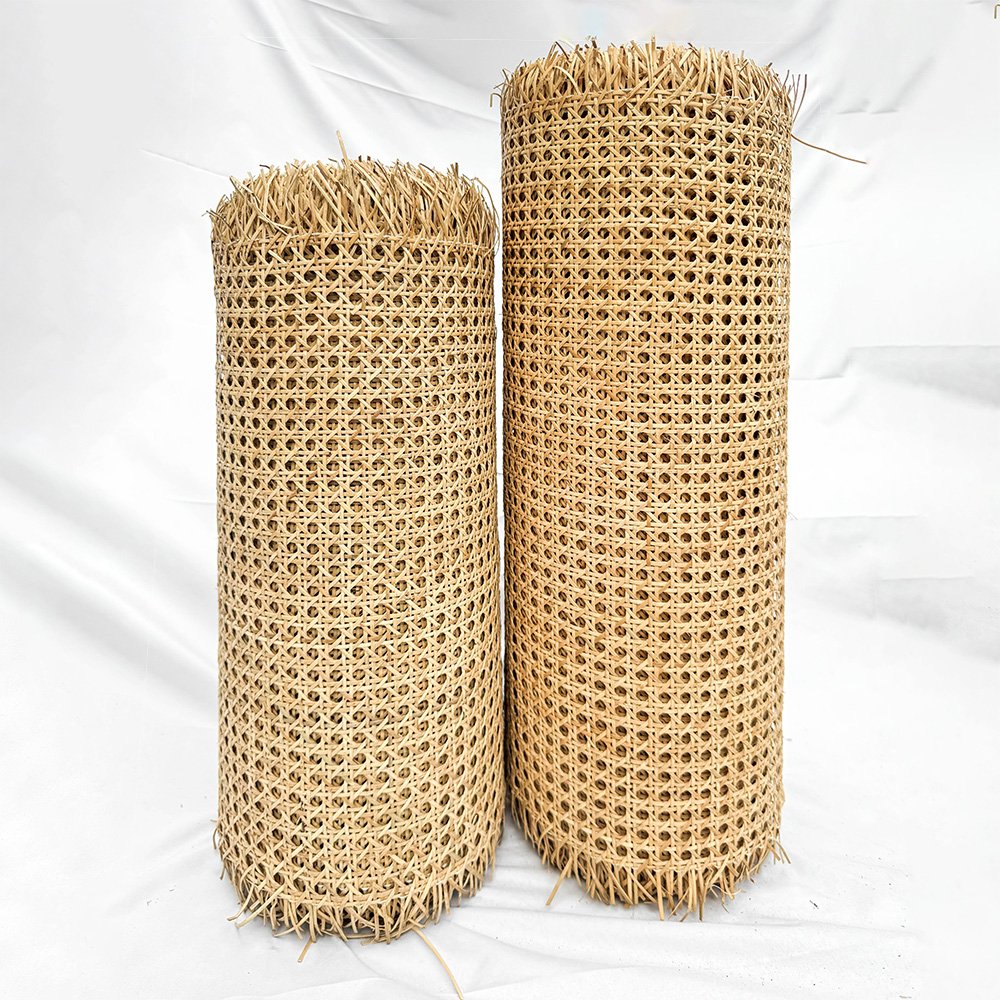
The furniture industry continues to embrace woven materials, but many buyers still struggle to decide between natural rattan and plastic rattan. Both materials offer unique advantages, yet they serve different purposes in modern homes and commercial spaces. Some people value natural texture and craftsmanship, while others prefer durability and easy maintenance. A clear understanding of natural rattan and plastic rattan helps consumers choose furniture that matches both lifestyle and design expectations.
Natural Rattan Adds Organic Beauty to Interior Spaces
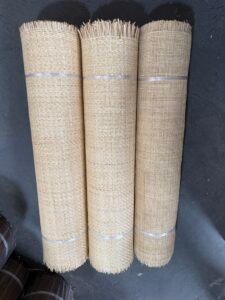
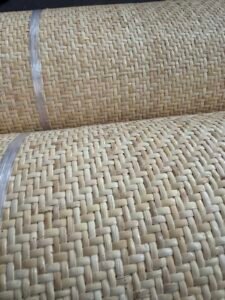
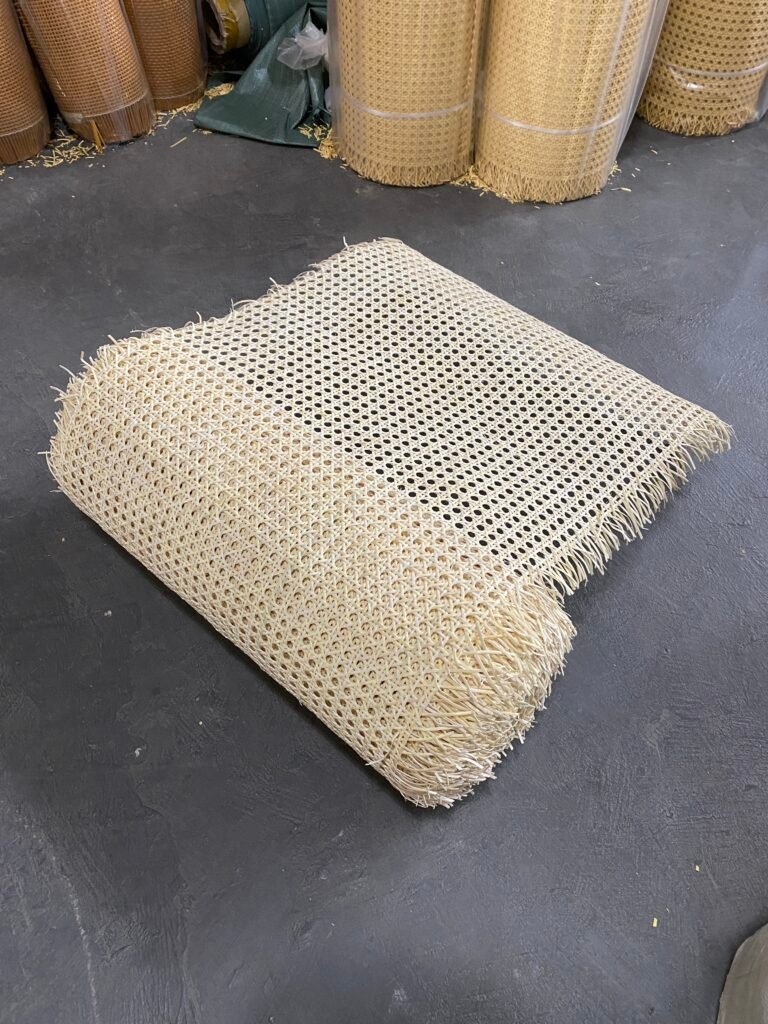
Natural rattan brings warmth, texture, and authenticity into a room. Skilled artisans weave natural fibers into elegant patterns that create a relaxed and welcoming atmosphere. Because every strand carries slight variations, furniture made from natural rattan often feels more unique and visually rich.
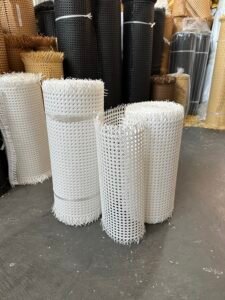
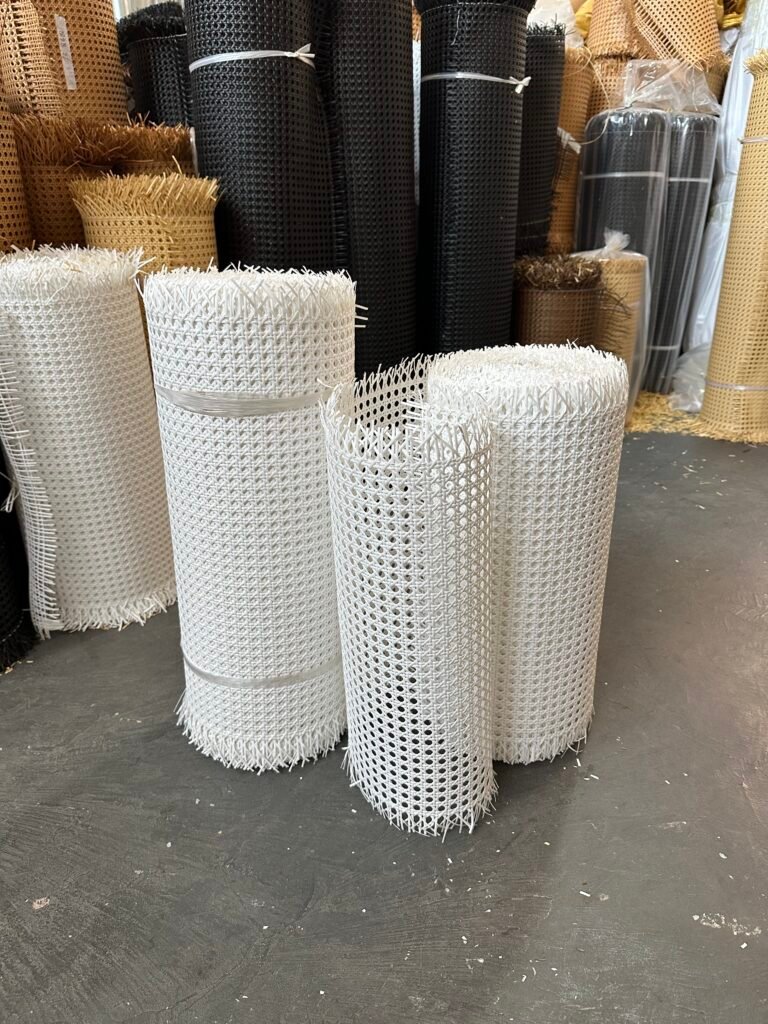
Plastic rattan, however, delivers a more controlled and uniform appearance. Manufacturers can produce consistent weaving patterns and modern color finishes more efficiently. This consistency allows plastic rattan to fit contemporary furniture collections that require cleaner lines and large-scale production.
For indoor environments, natural rattan usually creates stronger emotional appeal. Living rooms, cafés, and boutique hotels often use natural woven furniture to build a calm and comfortable atmosphere. Plastic rattan still works indoors, but it typically supports more modern and minimalist styles.
Plastic Rattan Offers Better Outdoor Performance
Outdoor furniture faces constant exposure to sunlight, humidity, and rain. Natural rattan struggles in these conditions because natural fibers absorb moisture easily. Over time, excessive exposure may lead to fading, cracking, or weakened structure, especially in uncovered outdoor areas.
Plastic rattan handles weather challenges far more effectively. High-quality synthetic materials resist UV rays, water damage, and temperature changes without losing flexibility quickly. This durability explains why outdoor lounges, patio dining sets, and poolside furniture frequently rely on plastic rattan instead of natural alternatives.
Although natural rattan delivers stronger visual warmth, plastic rattan provides greater long-term stability for outdoor applications.
Maintenance Creates a Major Difference in Daily Use
Maintenance requirements often influence purchasing decisions more than appearance alone. Natural rattan requires careful cleaning and proper humidity control to maintain its texture and strength. Dry conditions may reduce flexibility, while excess moisture can shorten product lifespan.
Plastic rattan simplifies maintenance significantly. Most surfaces only require water and mild soap to remove dust or stains. This convenience makes plastic rattan highly attractive for busy households, hotels, restaurants, and commercial projects where furniture experiences constant use.
Even though natural rattan demands more care, many buyers still prefer its handcrafted appearance and natural charm. The decision often depends on whether aesthetics or convenience holds greater importance.
Sustainability Shapes Consumer Preferences
Environmental awareness continues to influence furniture trends around the world. Natural rattan grows quickly and comes from renewable plant resources, making it appealing to eco-conscious consumers. Traditional weaving techniques also support handmade craftsmanship and reduce heavy industrial processing.
Plastic rattan approaches sustainability differently. Many manufacturers now produce recyclable synthetic materials with improved durability, allowing furniture to last longer and reduce replacement frequency. Long-lasting products often create less waste over time because consumers replace them less often.
Natural rattan attracts buyers who value natural materials and artisan craftsmanship. Plastic rattan appeals to those who prioritize durability and long-term functionality.
Natural Rattan Sheet Hexagonal Hole White Color
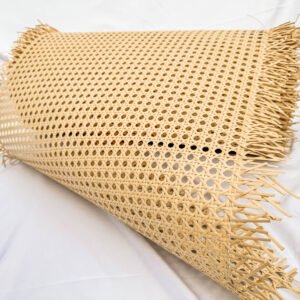
Eco friendly plastic rattan webbing wood color
https://www.furnituremaxi.com/blogs/news/rattan-
Design Flexibility Expands Modern Furniture Possibilities
Design flexibility plays an important role in furniture selection. Natural rattan works beautifully with coastal, tropical, Scandinavian, and bohemian interiors because its texture creates a softer and more relaxed environment. Designers frequently use natural woven elements to introduce warmth into modern spaces.
Plastic rattan supports broader customization in shape, color, and weaving style. Manufacturers can create sleek contemporary furniture with greater production efficiency, allowing brands to develop larger product collections at competitive prices.
While natural rattan emphasizes tradition and texture, plastic rattan supports innovation and large-scale commercial design needs.
Choosing Between Natural Rattan and Plastic Rattan
The comparison between natural rattan and plastic rattan depends less on trends and more on practical lifestyle needs. Natural rattan stands out for its organic beauty, handcrafted texture, and timeless indoor appeal. Plastic rattan excels in durability, weather resistance, and easy maintenance for outdoor and high-traffic environments.
Consumers should evaluate climate conditions, maintenance expectations, budget, and design goals before making a final decision. A thoughtful comparison helps buyers invest in furniture that delivers both long-term value and visual satisfaction. Whether the priority is natural elegance or practical durability, both natural rattan and plastic rattan continue to hold an important place in modern furniture design.