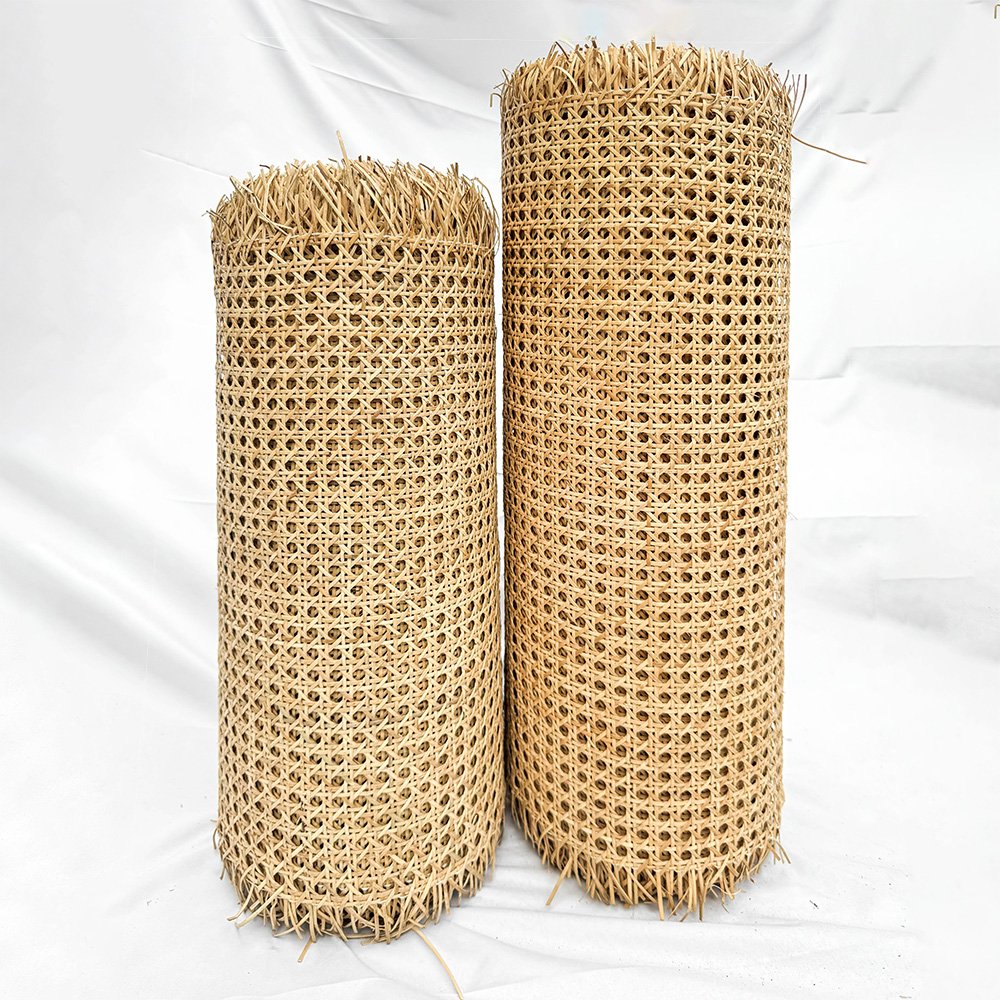
Choosing between natural rattan and plastic rattan is no longer just about appearance. Today’s furniture buyers care about durability, maintenance, comfort, sustainability, and long-term value. Both materials offer unique strengths, but the right choice depends on where and how the furniture will be used. Understanding the differences between natural rattan and plastic rattan helps homeowners, designers, and wholesalers make smarter decisions.
Natural Rattan Creates Warm and Authentic Interiors
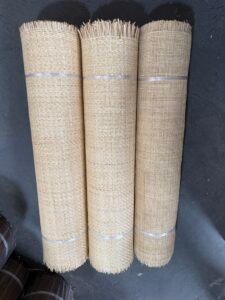
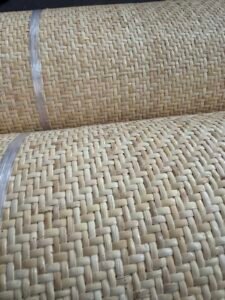
One of the biggest advantages of natural rattan is its organic texture and handcrafted character. It brings warmth into indoor spaces and adds a relaxed, timeless atmosphere that many modern materials cannot fully replicate. From cozy living rooms to boutique cafés, natural fibers create a softer visual effect that feels elegant without looking excessive.
In comparison, plastic rattan focuses more on practicality than natural beauty. Although manufacturers continue improving surface textures, synthetic weaving still delivers a cleaner and more uniform appearance. For customers who value authenticity and handcrafted detail, natural materials often leave a stronger impression.
Plastic Rattan Performs Better in Outdoor Environments
When furniture faces rain, sunlight, and humidity, plastic rattan usually becomes the more reliable option. Synthetic fibers resist moisture, fading, and cracking far better than untreated natural materials. Outdoor lounges, hotel terraces, and poolside furniture often rely on plastic weaving because it handles changing weather conditions with minimal maintenance.
Meanwhile, natural rattan works best in covered or indoor areas where the environment stays relatively stable. Excessive moisture or direct sunlight may shorten its lifespan over time. Buyers looking for low-maintenance outdoor furniture often prefer synthetic alternatives because they reduce long-term care costs.
Natural Rattan Supports Sustainable Design Trends
Sustainability has become an important factor in furniture purchasing decisions. As a renewable plant material, natural rattan appeals to environmentally conscious consumers who want furniture with a lower ecological impact. Its biodegradable properties also align with the growing demand for eco-friendly interior design.
On the other hand, plastic rattan offers durability but depends heavily on synthetic production processes. Some modern manufacturers now use recyclable materials to improve sustainability, yet the environmental perception of plastic products still differs from naturally sourced furniture. For brands promoting green living concepts, natural weaving often strengthens product storytelling.
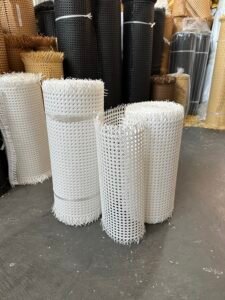
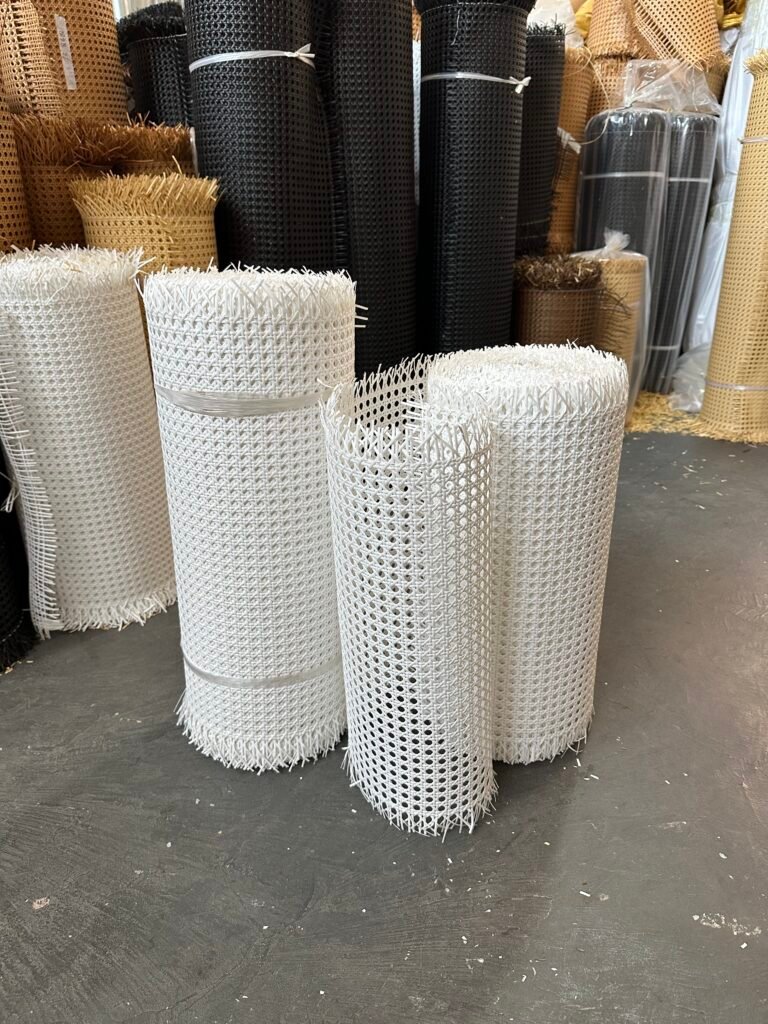
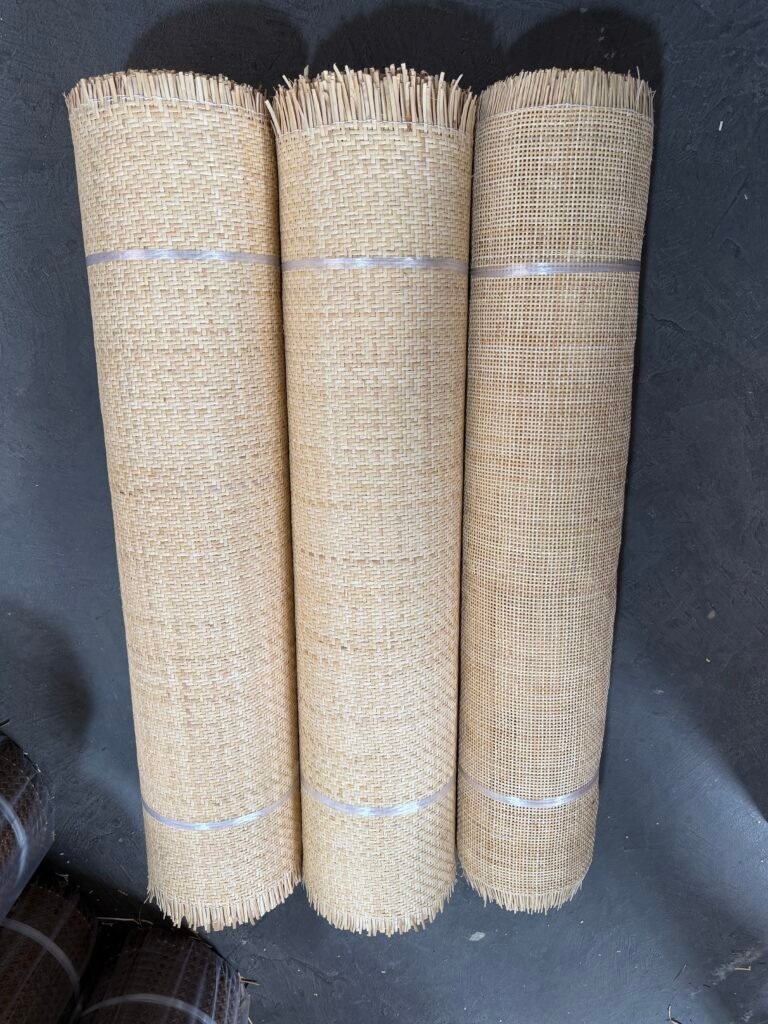
Natural Rattan Sheet Hexagonal Hole White Color
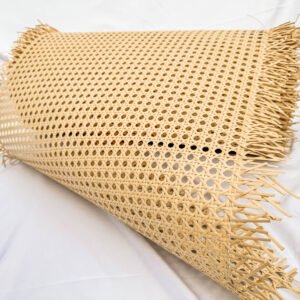
Eco friendly plastic rattan webbing wood color
https://www.furnituremaxi.com/blogs/news/rattan-
Plastic Rattan Simplifies Daily Maintenance
Maintenance plays a major role in long-term furniture satisfaction. Plastic rattan stands out because cleaning requires very little effort. Dust, spills, and outdoor dirt can usually be removed quickly with water and mild soap. This convenience makes it highly attractive for commercial spaces, restaurants, and busy households.
By contrast, natural rattan needs more careful attention to preserve its texture and color. Regular exposure to humidity or strong sunlight may require additional care. While many customers appreciate the craftsmanship behind natural materials, they also understand that authentic furniture often demands more protection.
Natural Rattan and Plastic Rattan Offer Different Comfort Experiences
Comfort is another area where these two materials create different user experiences. Natural rattan feels lighter, warmer, and more breathable, which makes it especially comfortable for indoor seating. Its slight flexibility also contributes to a relaxed and natural sitting experience.
In comparison, plastic rattan prioritizes structural consistency and weather resistance. Modern synthetic weaving can still provide excellent comfort, especially when combined with high-quality cushions, but the tactile feeling remains different from genuine plant fibers. Buyers who prioritize sensory experience often lean toward natural materials, while those focused on functionality may choose synthetic designs
Choosing Between Natural Rattan and Plastic Rattan Depends on Your Priorities
There is no universal winner between natural rattan and plastic rattan because each material serves a different purpose. Natural weaving delivers authenticity, sustainability, and artistic texture that elevate indoor spaces. Plastic weaving provides durability, weather resistance, and easy maintenance that suit outdoor environments and commercial applications.
The best decision comes from understanding the balance between beauty and practicality. Buyers who value natural aesthetics and eco-conscious living may prefer genuine rattan furniture. Those seeking long-lasting outdoor performance with minimal upkeep often find synthetic options more efficient. By comparing both materials carefully, consumers can select furniture that matches their lifestyle, climate, and design goals.